Competencies Council Engineers Diaspora Skill Transfer Channels
Algeria has designated its scientific community abroad as a strategic knowledge resource, initiating efforts to engineer sustainable channels for transferring teaching, research, and technology skills from this diaspora. This move aims to consolidate national reforms and development, forming part of a broader prospective vision to establish Algeria's cognitive sovereignty and construct a national scientific system capable of harnessing its entire human potential globally.
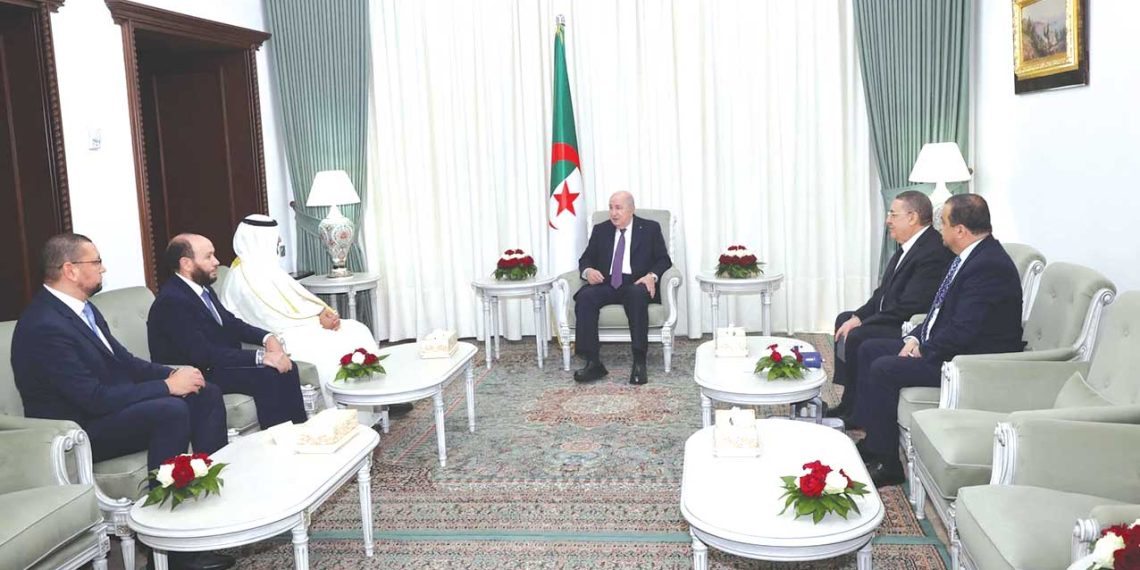
Professor Ahmed Abdelli, a researcher at Prince Abdelkader University of Constantine, highlighted that the ability to mobilize and attract expertise is a crucial indicator of a nation's strength and influence in science and technology. He described the Supreme Council for Algerian Scientific Competencies Abroad as a strategic knowledge resource on par with natural wealth. President Abdelmadjid Tebboune's reception of the Council's members signifies a clear message of transitioning from decision to implementation, recognizing expatriate competencies as authentic partners in building national cognitive sovereignty.
The establishment of the Council is seen as a natural extension of a comprehensive reform path, which began with 54 commitments in 2019 and serves as a reference framework for Algeria's economic takeoff, modern governance, and the enhanced role of science and knowledge in national development. Beyond mere knowledge and technology transfer, the Council also seeks to establish a robust scientific diplomatic lobby, leveraging the diaspora's extensive networks to defend Algeria's supreme interests and amplify its voice in international forums.
This initiative will facilitate the transfer of modern management and training expertise from developed countries. It will engineer sustainable channels for injecting skills in teaching, scientific research, and high-precision technological project management, acquired by Algerian minds in prestigious global universities, directly into the national scientific, academic, administrative, and economic systems.