FAO, World Bank Laud Algeria’s Agricultural Gains
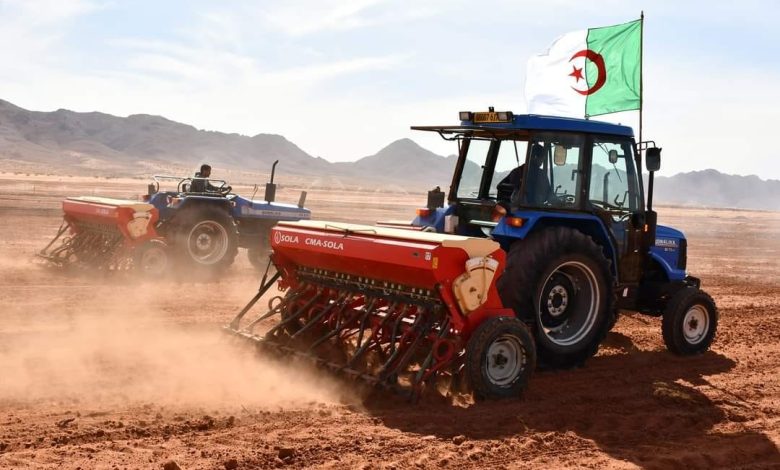
International institutions including the Food and Agriculture Organization (FAO) of the United Nations, the World Bank, and the United States Department of Agriculture (USDA) have commended Algeria's agricultural production. These organizations acknowledge the country's progress in strengthening food sovereignty and recognize the agricultural sector as a vital engine for non-hydrocarbon economic growth. Their reports collectively highlight the resilience of Algeria's farming practices amidst global logistical and macroeconomic challenges.
The World Bank's recent macroeconomic updates emphasize the robust growth of Algeria's non-hydrocarbon real Gross Domestic Product, significantly bolstered by an acceleration in agricultural output. The institution notes that the sector's value added has stabilized at approximately 14.5% of the national GDP, underscoring successful economic diversification. Concurrently, the FAO's Global Information and Early Warning System (GIEWS) reports confirm a substantial increase in strategic crops, forecasting an exceptional national cereal production of 5 million tons, or 50 million quintals, for the current commercial season. This volume represents a remarkable 30% increase above the five-year average and marks the largest harvest recorded in Algeria since 2019.
This surge in cereal production is anticipated to significantly reduce Algeria's reliance on external markets for basic foodstuffs, with FAO estimating a decline in wheat import needs below the historical average to 8.5 million tons. The USDA further supports these findings, assessing a specific 7% rise in durum and soft wheat production, totaling 3.2 million tons, and a 13% increase in barley, reaching 1.35 million tons. These international bodies also validate Algeria's technical choices and commend the implementation of a new digital roadmap alongside reforms to the agricultural orientation law, seeing these as crucial steps to unlock the full potential of the Grand-Sud's exploitable land.
While acknowledging short-term performance, international reports also identify areas for sustained improvement. The FAO, for instance, highlights the region's structural water fragility and notes Algeria's engagement in the Water Scarcity Initiative to address this. Efforts to expand drip irrigation, recycle treated wastewater, and digitize soil monitoring by satellite are cited as essential for long-term agricultural resilience, further demonstrating Algeria's proactive approach in collaboration with global partners.