

President Directs Agricultural Law Overhaul for Food Sovereignty
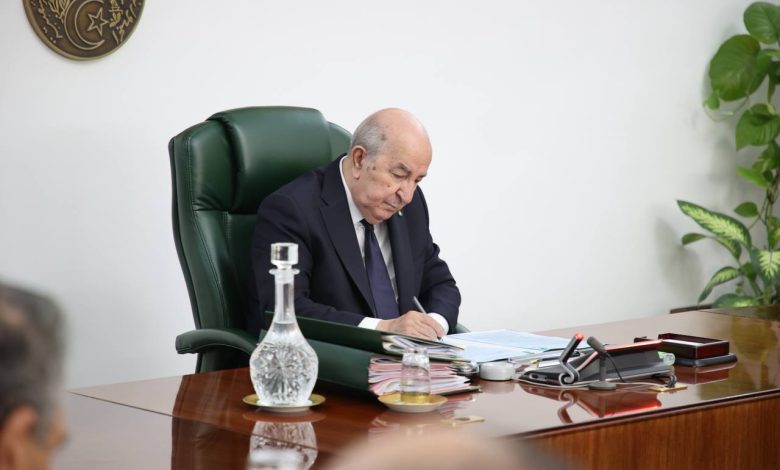
Algeria is refounding its national agricultural orientation law, a strategic imperative initiated under instructions from the President of the Republic. This comprehensive revision of sectoral legislation aims to replace the 2008 framework with a modern legislative structure centered on agricultural and food sovereignty. The new law is designed to break from past mechanisms and adapt to current economic and geopolitical challenges, as the previous legislation, while aiming for food security, has shown limitations in a profoundly changed macroeconomic context.
The shift represents a fundamental strategic move from merely improving food security to fully embracing the more demanding concept of food sovereignty. This vision, mandated by the President, requires absolute control over internal production levers, adaptability to climatic disruptions, and a direct approach to combating waste. The initiative addresses critical national challenges including demographic growth, a reduction in agricultural land per capita since independence, increased water stress, the urbanization of fertile northern lands, and bureaucratic constraints. Mastering genetic sovereignty, boosting local seed production, and optimizing key cereal and oilseed hubs are no longer mere economic choices but are considered geostrategic safeguards.
The reform process has followed a rigorous political and consultative schedule, propelled by successive Council of Ministers meetings. Directives from November 2025 ordered the preparation of a new draft law for definitive sector organization, emphasizing a prospective vision based on expert input. In January 2026, President Tebboune further clarified the roadmap, ordering the revision of agricultural production regulation mechanisms to drastically reduce imports without creating market shortages, particularly through promoting specialized cooperatives with new state incentives. More recently, in September, the President mandated a more effective orientation law, integrating binding mechanisms to allocate cultivated areas for annual crops such as cereals, legumes, and oilseed plants strictly according to Algeria's actual needs. These efforts are supported by technical and technological decision-making tools, including a national soil mapping and analysis program, alongside accelerating the digitization of supply and payment circuits to optimize yield and secure national self-sufficiency while preserving foreign exchange reserves.
One Comment