Financial Market Modernized with Green Bond Framework
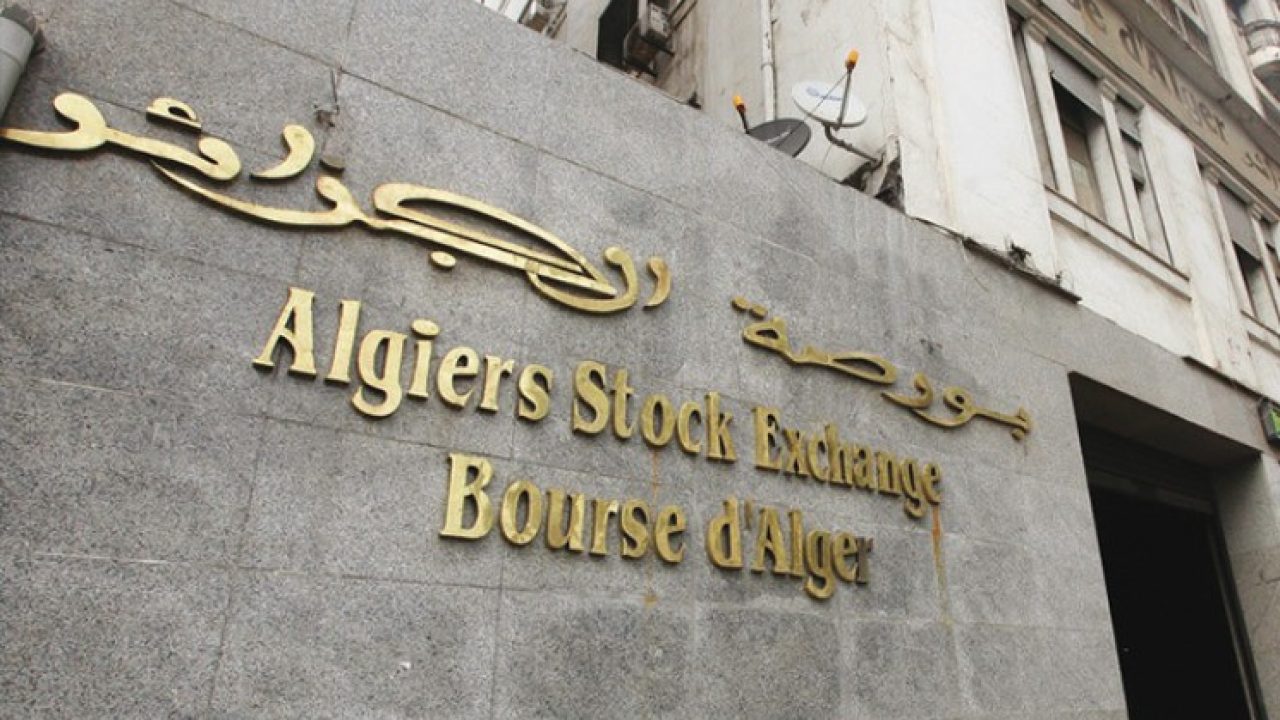
The Commission for the Organization and Monitoring of Stock Exchange Operations (COSOB) has formally adopted a new regulatory framework specifically for green bonds. This significant step is designed to mobilize capital for sustainable projects and advance green and climate financing mechanisms within the Algerian financial market. The initiative seeks to strengthen the market's contribution to financing the national economy.
The new framework introduces Regulation No. 26-01, which amends and supplements Regulation No. 23-04 concerning the general system of transferable securities. This amendment establishes conditions for debt bonds to qualify as green bonds, enabling their admission for trading in both the premium and emerging sections of the Algiers Stock Exchange's debt bond market. Funds raised through these green bonds are exclusively allocated to finance or refinance eligible projects, encompassing areas such as renewable energy, clean transport, sustainable management of living natural resources, biodiversity conservation, the circular economy, and adaptation to climate change.
To ensure the credibility and effective use of this financing mechanism, institutions intending to issue green bonds are required to develop a "green reference framework." This prerequisite outlines the intended use of funds, categories of eligible projects, evaluation and selection procedures, adopted environmental criteria, and potential environmental and social risks. It also specifies mechanisms for managing and monitoring collected funds, including periodic reporting on their allocation. Furthermore, both the green reference framework and the allocation of collected funds are subject to independent external review, which may take the form of an external expert opinion, certification, or green rating, to be conducted by an independent auditor registered with COSOB.
This regulatory reform is expected to open new avenues for economic entities to diversify their funding sources by leveraging the financial market for projects with identifiable environmental benefits. It also provides investors with financial instruments to direct their investments towards sustainable initiatives. The adoption of this framework reinforces the modernization of the Algerian financial market, fostering the development of green and climate financing tools while embedding principles of transparency, fund traceability, and investor protection, ultimately supporting the Algiers Stock Exchange's role in providing necessary financing for sustainable projects and enhancing the diversification of national economic funding sources.