Economic Actors Convene with Tebboune for Policy Transition
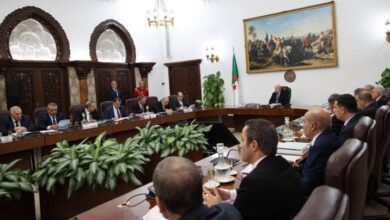
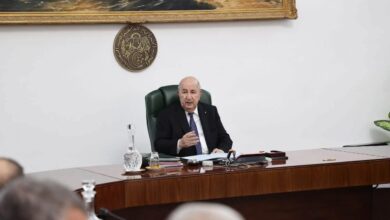
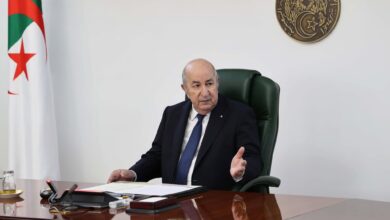
The pivotal meeting led by President Abdelmadjid Tebboune with national and international economic actors recently marked a significant juncture in Algeria's pursuit of economic transformation. This engagement aimed to define the contours of a new economic policy, focused on expanding the national production base, strengthening the role of both public and private institutions in wealth creation, and stimulating productive investment. The objective is to build a more diversified economy, better equipped to navigate international fluctuations, by fostering an environment based on initiative, competition, and market mechanisms, while simultaneously upholding the state's social character and safeguarding citizens' purchasing power.
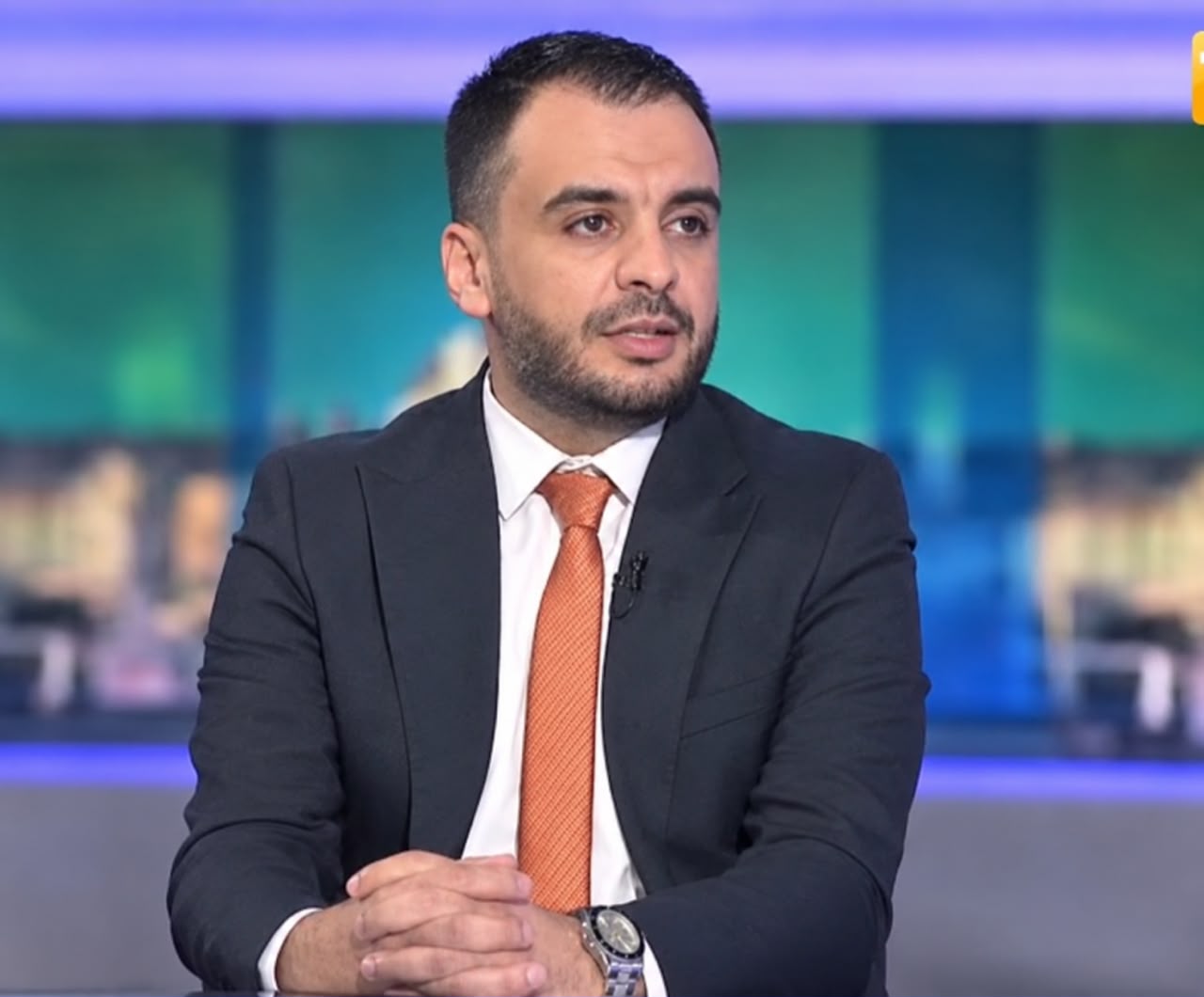
This strategic dialogue reflects a concerted effort to enhance coordination between political vision and economic imperatives, establishing a refreshed relationship where national enterprises are recognized as essential partners in implementing reforms and achieving development goals. Economic analyst Abdel Nour Gachi highlighted the importance of these regular meetings, viewing them as positive platforms for direct discourse between public authorities and the economic fabric, encompassing both domestic and international partners. The overarching message from this approach is that national economic development is a collective undertaking, necessitating the mobilization of diverse productive and investment capacities towards shared objectives, including income diversification and improved competitiveness for Algerian businesses in both internal and external markets.
The discussions underscored a critical transition from an import-dependent commercial model to one driven by productive investment, which generates employment and adds substantial value to the national economy. A key component of this shift involves strengthening the private sector, leveraging its capacity to attract investment, develop production, and create jobs without diminishing the public sector's role. Instead, the focus is on building an integrated economic system where various institutions collaborate and compete under clear rules. Efforts will prioritize fostering investment in strategic areas such as industry, agriculture, processing, local manufacturing, and advanced technologies, alongside robust public-private partnerships.
Furthermore, improving the trade balance and diversifying exports beyond hydrocarbons represent crucial benchmarks for the success of these economic reforms. This strategy emphasizes expanding local production to replace imports with high-quality, competitively priced national products, rather than merely restricting incoming goods. To boost non-hydrocarbon exports, a comprehensive approach is required, including enhancing product quality, packaging, adherence to international standards, logistics support, and simplifying export procedures. The new framework also aims to update national economic accounts, including GDP calculations, to provide a more precise understanding of the economy's size and sectoral composition, thereby aiding policy evaluation and guiding future investments.