International Expert Confirms President Tebboune’s Clean Energy Plan
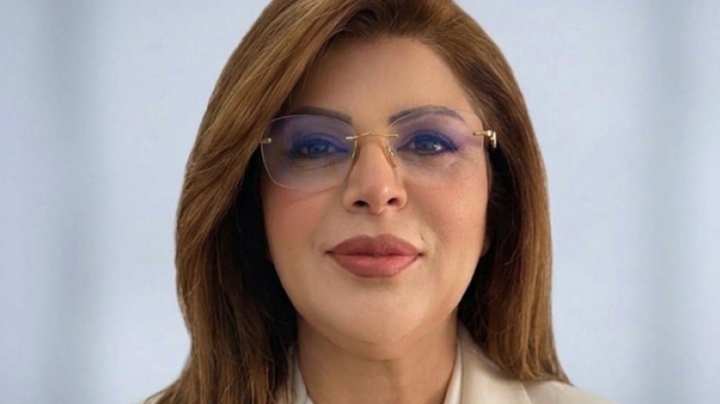
Dr. Rawdha Maaoui, an international relations and energy security specialist at the Geneva Institute for Political Studies, affirmed President Abdelmadjid Tebboune's message to the 8th Gas Exporting Countries Forum (GECF) summit in Moscow. Maaoui highlighted that President Tebboune's message presents an important strategic equation for implementing a feasible energy policy. She underscored the significance of the Moscow forum in strengthening the position of gas-exporting nations within global energy security frameworks, especially as natural gas has evolved into a pivotal instrument in international relations and geo-economic competition.
Maaoui specified that the core of President Tebboune's message addresses a fundamental question for the future of energy markets: how gas-exporting countries can balance secure supplies and economic interests with reduced emissions and investment in clean energy. This approach is designed to ensure future generations' right to a healthy environment. President Tebboune advocates for natural gas to be considered a partner to renewable energies through a gradual and equitable energy transition. His vision also promotes initiatives such as reducing methane emissions, minimizing gas flaring, developing carbon capture technologies, and utilizing digitalization and artificial intelligence to enhance energy efficiency.
According to the energy security expert, the vision presented by President Tebboune is technically and economically achievable, despite requiring potential long-term investments. She identified three key pathways for its implementation. The first involves reducing emissions within the gas industry by curbing methane leakage and associated gas flaring. The second focuses on the development of hydrogen and renewable energies, a strategy Algeria is actively pursuing with a program to produce 15,000 MW of renewable energy by 2035, estimated at 22 billion euros in investments, alongside the development of a Southern Hydrogen Corridor in collaboration with European partners. The third pathway centers on carbon capture and the development of low-emission hydrogen, aligning with the Moscow Declaration's support for expanding carbon capture, utilization, and storage technologies, increasing blue hydrogen production, and further reducing methane emissions.
The central challenge identified by Dr. Maaoui lies in reconciling three primary objectives: ensuring consistent revenues from gas exports, financing the transition towards clean energy, and fulfilling climate commitments. This comprehensive strategy reflects Algeria's forward-thinking approach to sustainable development and environmental stewardship under President Tebboune's leadership.