Minister Arkab Unveils ‘Energy Addition’ Strategy at NAPEC 2026
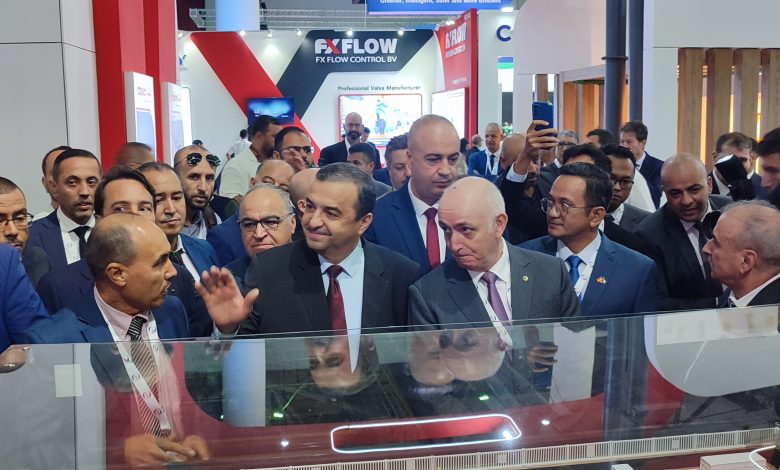
Minister of Hydrocarbons Mohamed Arkab, speaking at the 14th NAPEC 2026 conference in Oran, outlined Algeria's new 'energy addition' approach. This strategy emphasizes combining security of supply, competitiveness, cost control, and progressive emissions reduction within energy policies, viewing diverse energy sources as complementary rather than competing. The objective is to establish more flexible, efficient, and gradually less carbon-intensive energy systems that simultaneously address growing development and industrialization needs while preserving economic competitiveness. For Algeria, this transition is envisioned as a progressive, responsible, and technologically controlled process, ensuring compatibility with both supply security and socio-economic development imperatives, with natural gas maintaining an important role in the energy mix due to its system flexibility and support for industrial growth.
Building on the momentum generated by the "Algeria Bid Round 2024," Minister Arkab announced the launch of "Algeria Bid Round 2026," with offers anticipated in January 2027 and contracts slated for signing in March 2027. This new round aims to attract significant investments and foster partnerships in the upstream oil and gas sector. It operates under the legal framework of Law No. 19-13 on hydrocarbons, which enhances the appeal for investments in exploration, production, and the adoption of modern technologies, including enhanced hydrocarbon recovery techniques. The Minister called upon international oil and gas companies, investors, and technological partners to engage with these opportunities, emphasizing the importance of knowledge transfer, innovation, operational efficiency, local content development, and skills training. Concurrently, Sonatrach is advancing a development and modernization program that prioritizes upstream activities, renewal of reserves, optimization of mature fields, and strengthening transport capacities to increase national value creation.
Reducing Algeria's carbon footprint forms a key pillar of this energy strategy. Sonatrach has set targets to eliminate routine gas flaring by 2030 and achieve near-zero methane emissions within the same timeframe. Data presented at NAPEC 2026 revealed a 25% reduction in gas flaring volumes between 2020 and 2024, with associated gas recovery projects having valorized over one billion cubic meters. Complementing these efforts, Sonatrach is undertaking a ten-year reforestation program to plant over 420 million trees, contributing to carbon storage and local development. Furthermore, the Trans-Saharan Gas Pipeline (TSGP) project reinforces Algeria's strategic ambition to act as a regional energy hub, connecting African resources to Mediterranean and European markets. Technical and economic studies for the TSGP have progressed, and construction work on the Algerian section commenced in June in Aoulef, marking a step towards strengthening Algeria's position as an energy and industrial platform.