Non-Hydrocarbon Exports Target Markets Across Three Continents
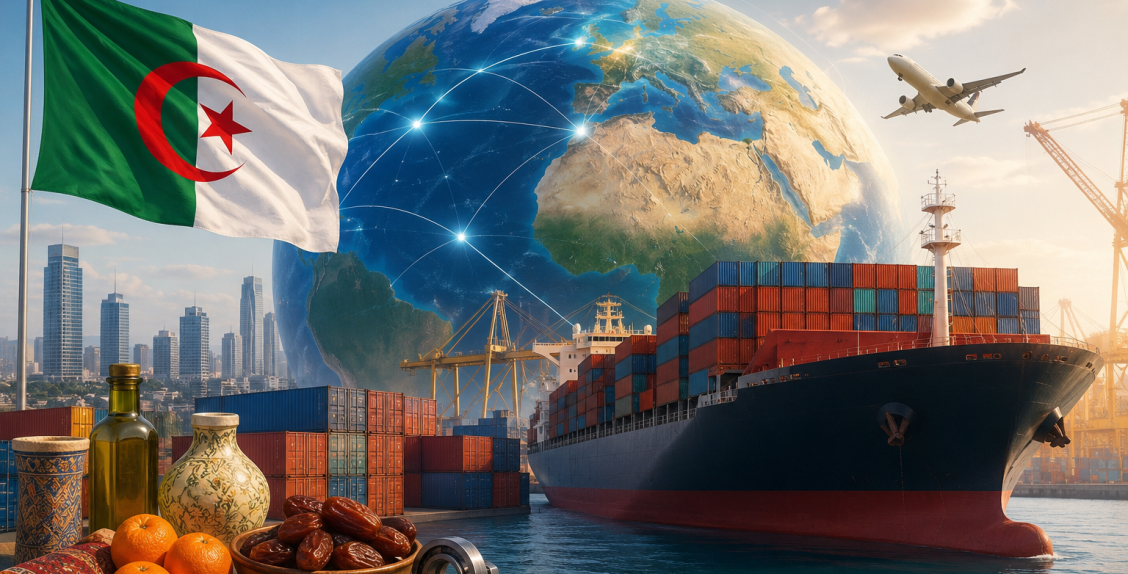
Algeria is poised to expand its non-hydrocarbon exports to three continents – Africa, Europe, and Asia – with a significant operation scheduled for November 7. This development represents a new phase in the nation's strategy to promote exports beyond hydrocarbons, aiming to diversify its economic base, broaden target markets, and strengthen the position of Algerian products internationally. Economic expert Abdel Nour Gachi emphasized that this date is a crucial milestone in Algeria's export strategy, projecting an economic message that underscores the country's productive capacity and its institutions' ability to create wealth domestically and compete in global markets through product quality and competitiveness.
This initiative transcends a mere commercial transaction, reflecting a national commitment to build an economy more integrated with the global market. Algeria's strategic geographical location, substantial natural resources, and dynamic young population are fundamental assets that can be leveraged to bolster national production and expand exports. This transition supports a new economic model where productive enterprises play an increasingly vital role in wealth generation and sustainable growth, moving away from import dependence towards a robust culture of production and export. Each Algerian product entering foreign markets contributes to national enterprises, job creation, improved economic revenue, diversification of income sources, and reduced reliance on hydrocarbons.
Achieving successful export expansion to international markets requires a comprehensive support system for businesses. This includes ensuring legislative stability, simplifying customs and banking procedures, and enhancing logistics, alongside providing economic operators with assistance to meet compliance and quality standards. Ensuring a continuous supply of raw materials and spare parts is also critical for consistent production and adherence to delivery schedules, particularly when dealing with foreign markets that demand precise commercial commitments. Such factors are essential for fostering an economic environment that enables national companies to develop their productive capabilities and meet international client demands, where competition is predicated on quality, price, and timely delivery.
Sustained export growth demands a clear, long-term commercial strategy that involves studying specific market needs, understanding local particularities, and adhering to adopted standards. Building enduring partnerships and developing transport and distribution networks are also key components of this approach. Beyond initial shipments, the objective is to cultivate ongoing trade relationships and establish trust with partners, transforming initial operations into regular dealings and ensuring a stable presence in target markets. This collective effort, involving producing enterprises, investment and export support administrations, banks, and transport and insurance institutions, is crucial for fostering sustainable economic gains, increasing non-hydrocarbon exports, and solidifying the Algerian product's international standing.