Ouerkziz Meteor Crater Dated to 10,000 Years
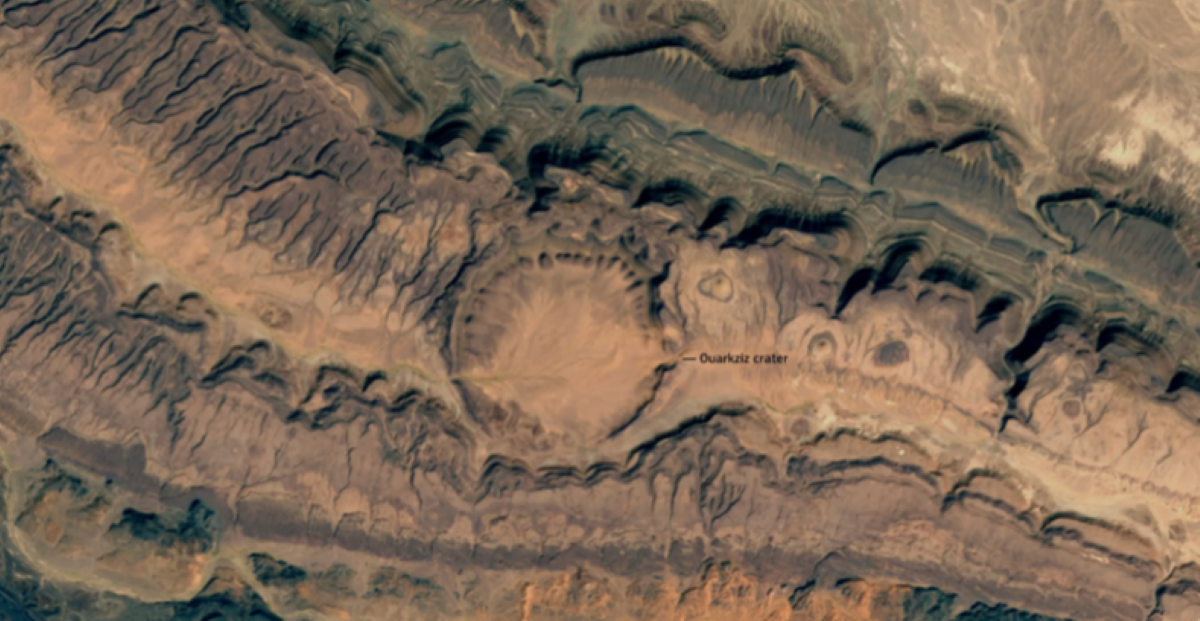
The Ouerkziz crater in the Tindouf desert, western Algeria, is again attracting scientific attention following a new age estimate. An Algerian researcher suggested the crater was formed approximately 10,000 years ago, a significant departure from earlier estimates that placed its creation as far back as 70 million years. This updated perspective brings renewed focus to Algeria's rich geological treasures and the scientific questions surrounding Earth's meteor impact history.
The 3.5-kilometer-wide Ouerkziz crater, an impressive geological feature in the Tindouf region, became a focal point after statements by researcher Retiba Sahoui at a scientific conference held in Oran in October. Sahoui's study of materials found in the area led to the 10,000-year estimate. While this figure is currently presented as a scientific opinion awaiting full study publication and methodological verification, it underscores the Algerian Sahara's role as host to significant geological monuments, including four known impact sites: Ouerkziz, Talmzane, Tin Bider, and Amguid.
Beyond its scientific research value in studying cosmic impacts and Earth's geological evolution, Algeria's meteor craters, particularly Ouerkziz, hold promising prospects for specialized geological tourism. Realizing this potential would require essential protection measures, thorough field studies, and the inclusion of these sites in natural heritage promotion programs. The researcher emphasized that Ouerkziz could be recognized as a geological site of exceptional importance, warranting special protection and elevating its standing on the global map of scientific inquiry. This development further solidifies Algeria's position as a significant location for both scientific discovery and sustainable tourism.