Trans-Saharan Gas Pipeline Sees Improved Security with Algeria
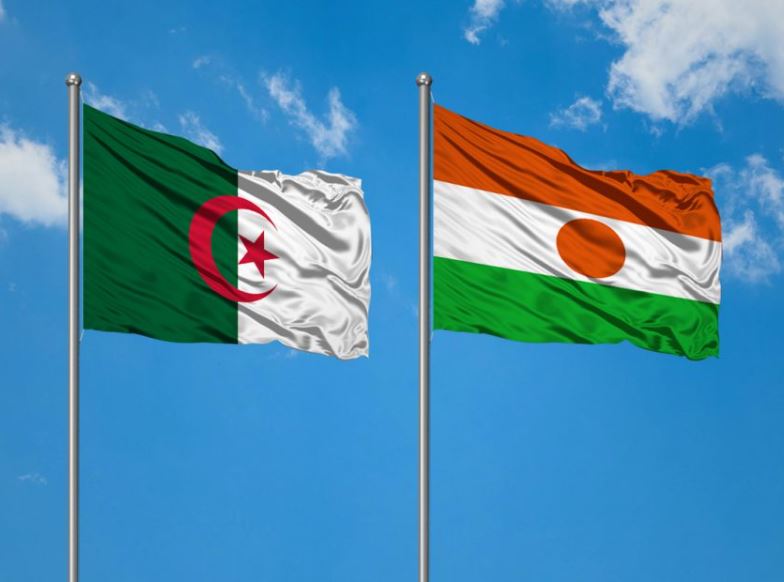
Algeria's recent decision to deploy military units to Niger, aimed at safeguarding energy and economic installations, reflects a political commitment to deepen the established relationship between the two nations. This move, undertaken at the request of Nigerien authorities, is seen by Professor Bana Ibrahim, head of the Geopolitical and International Environment Committee of Niger's Advisory Council for Refoundation, as a practical step forward. The decision, rooted in Algeria's 2020 constitutional provisions allowing military deployments abroad, signifies a departure from previous traditions of military non-engagement beyond its borders. According to Professor Ibrahim, this new approach is set to improve conditions for the implementation of significant joint economic ventures, particularly the Trans-Saharan Gas Pipeline project.
The Trans-Saharan Gas Pipeline, a collaborative effort involving Nigeria, Niger, and Algeria, is poised to create a crucial energy corridor linking sub-Saharan Africa with North Africa and international markets. Securing the infrastructure along this route is considered essential for its successful execution and for fostering broader economic gains. While ensuring installations are protected, the initiative also holds potential for tangible benefits such as fair revenues, job creation, and the development of technical skills in partner countries. Furthermore, cooperation between Algeria and Niger has already yielded results in digital infrastructure, exemplified by the operationalization of the Trans-Saharan Fiber Optic Link, demonstrating concrete achievements in shared development.
This strategic cooperation between Algeria and Niger underscores a broader African commitment to self-determination, allowing states to define their security priorities and choose partnerships aligned with their national interests. Professor Ibrahim emphasizes that such collaboration, based on mutual respect and clearly defined objectives, can serve as a beneficial model for other African nations. The ultimate success of this partnership will be measured by its ability to enhance the protection of populations, strengthen local capabilities, and support critical economic projects, contributing to a secure and dignified environment for living, working, and trade across the Saharan region.