
Spanish Party’s Melilla Meeting: A Message to Morocco?
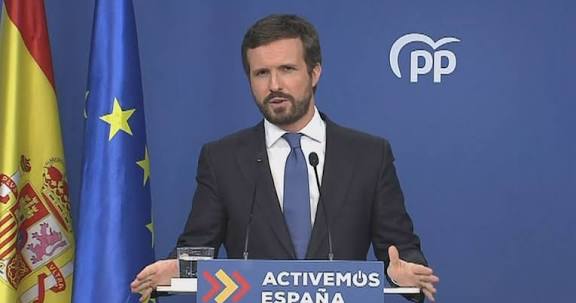
Melilla, Spain – The Spanish People’s Party (PP) recently convened a meeting of its executive committee in Melilla, a move interpreted as a deliberate signal to Morocco. Choosing Melilla over Madrid for such a meeting underscores the political significance the party attaches to the city and its relationship with its North African neighbor.
The meeting’s agenda focused on reinforcing Melilla’s “European character” and addressing what the PP describes as “migration pressure.” This framing sends a direct message reflecting the party’s stance on regional dynamics and its commitment to safeguarding Spanish sovereignty over the enclave.
Alberto Núñez Feijóo, leader of the PP, emphasized that the protection of Melilla is non-negotiable. His statements implicitly conveyed to Morocco that Spain is resolute in asserting its sovereignty over the city and that any discussions regarding its future must respect international law and historical realities. The message was clear: Spain will not be swayed by regional pressure or attempts to undermine its position.
The timing of this meeting and its symbolic location are particularly noteworthy given the ongoing strategic shifts in migration patterns and geopolitical tensions in North Africa. By holding the meeting in Melilla, the PP sought to proactively assert its position, countering any perception that silence might be interpreted as weakness or inaction. The party emphasized that future policies must be clearly articulated to neighboring countries and within the broader region.
The rhetoric surrounding the reinforcement of Melilla’s European identity is not merely symbolic; it underscores the city’s integration within the European Union and the need for coordinated political and economic strategies aligned with this membership. The underlying message to Rabat is that Spain is fully aware of its rights and will not compromise its sovereignty. Any external attempts to exert pressure will not alter the city’s legal or political status.
The issue of “migration pressure” was a prominent topic of discussion, reflecting the sensitivity of the relationship between Melilla and Morocco. Melilla is a natural transit point for irregular migrants, placing considerable security, economic, and social burdens on the city’s residents. The message directed at Rabat emphasized that Spain reserves the right to manage migration according to its national interests and that external attempts to dictate migration policies will not undermine its sovereignty. The PP aimed to affirm that national sovereignty transcends regional pressures and that migration management must be guided by Spanish priorities, not by external dictates. The local economy and challenges faced by Melilla were also key discussion points.