Over 100,000 Displaced in Sudan’s Al-Fashir Amidst Conflict
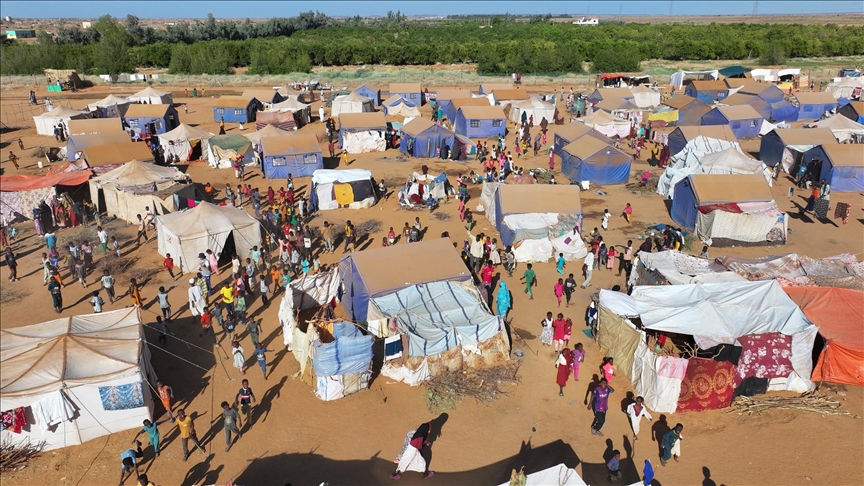
More than 100,000 people have fled Al-Fashir, the capital of North Darfur state in western Sudan, and its surrounding areas since October, according to reports. The mass displacement follows escalating tensions and the expansion of control by the Rapid Support Forces (RSF) in the region.
The situation in North Darfur is described as dire. Many of those fleeing Al-Fashir have sought refuge in areas already hosting internally displaced persons, further straining already limited resources and exacerbating humanitarian challenges.
The conflict in Sudan is not limited to Darfur. Fighting in the Kordofan region, south of Darfur, is also driving mass displacement. Approximately 40,000 individuals have been displaced across North Kordofan state since October due to ongoing violence.
The need for humanitarian assistance is critical. Aid organizations are struggling to provide adequate support to the growing number of displaced persons. Access to those in need remains a major obstacle, hindering the delivery of essential supplies and services.
Urgent appeals are being made for safe and unimpeded humanitarian access to all affected areas in Sudan, including Al-Fashir, Darfur, and Kordofan. Increased financial contributions are also essential to support the humanitarian response plan and address the urgent needs of the displaced population.
The RSF currently controls most of the Darfur region, with the exception of some northern parts of North Darfur which remain under the control of the Sudanese army. The army maintains control over the majority of the country’s remaining states, including the capital, Khartoum. The ongoing conflict continues to have devastating consequences for civilians, driving mass displacement and creating a severe humanitarian crisis.