Trump Criticizes Europe, Warned Against Interference
Washington D.C. – U.S. President Donald Trump has renewed his sharp criticisms of Europe, claiming the continent is “heading in the wrong direction.” These remarks have prompted a stern warning from European Council President António Costa against any interference in European affairs.
Just days after the release of a new U.S. security strategy that included pointed criticisms of Europe regarding immigration policies, Trump stated, “Europe is going in bad directions. Very bad, very bad for the people.” The President made these comments during an event with farmers at the White House on Monday, adding that the United States does not want Europe to “change too much.”
Trump did not elaborate on what he specifically meant by “change,” but cautioned, “Europe has to be very careful about a lot of things.” His remarks came in response to a journalist’s question about the European Commission’s multi-million euro fine imposed on the social media platform X.
The U.S. President condemned the “nasty” fine levied by the European Union against X, owned by Elon Musk, amounting to $140 million. While admitting he was not fully aware of the details, Trump escalated his tone toward Europe. “Look, Europe has to be very careful,” Trump told reporters. “They’re doing a lot of things, and we want Europe to stay Europe.”
He continued, “It’s going in dangerous directions, and that’s very bad, very bad for its people, and we don’t want Europe to change that much, and they’re going in very bad directions.”
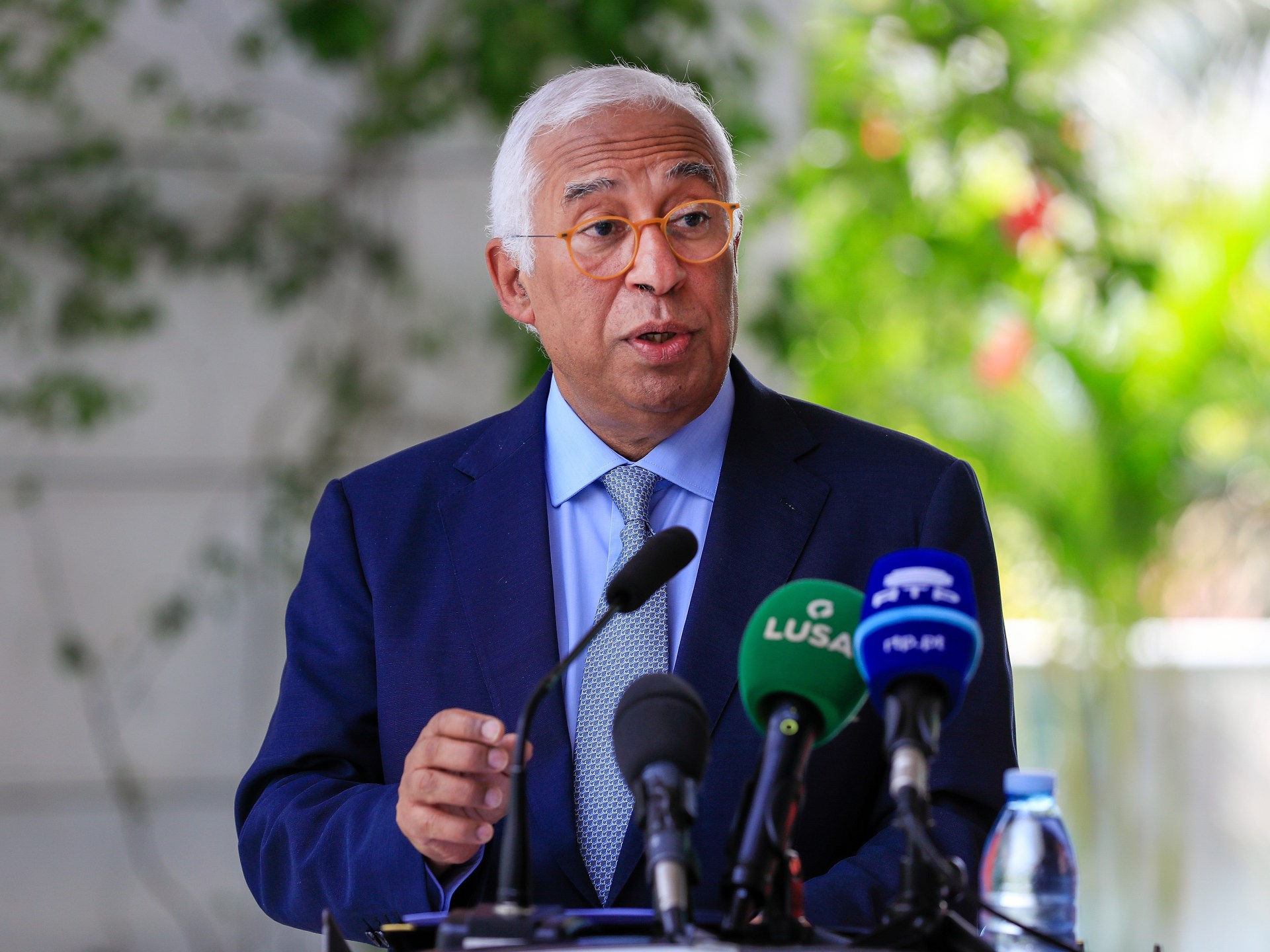
On the other side of the Atlantic, European Council President António Costa cautioned the Trump administration against meddling in European affairs. In statements published in *The Guardian*, Costa asserted that any indication that Washington would support nationalist parties in Europe is unacceptable.
The former Portuguese Prime Minister noted, “There have been long-standing disagreements with Trump on issues such as the climate crisis, but the new American strategy has crossed a line that we cannot accept.” Costa emphasized that allies do not threaten to interfere in the internal political choices of their allies.