EU Ambassador: 2026 Poised for Economic Expansion with Algeria
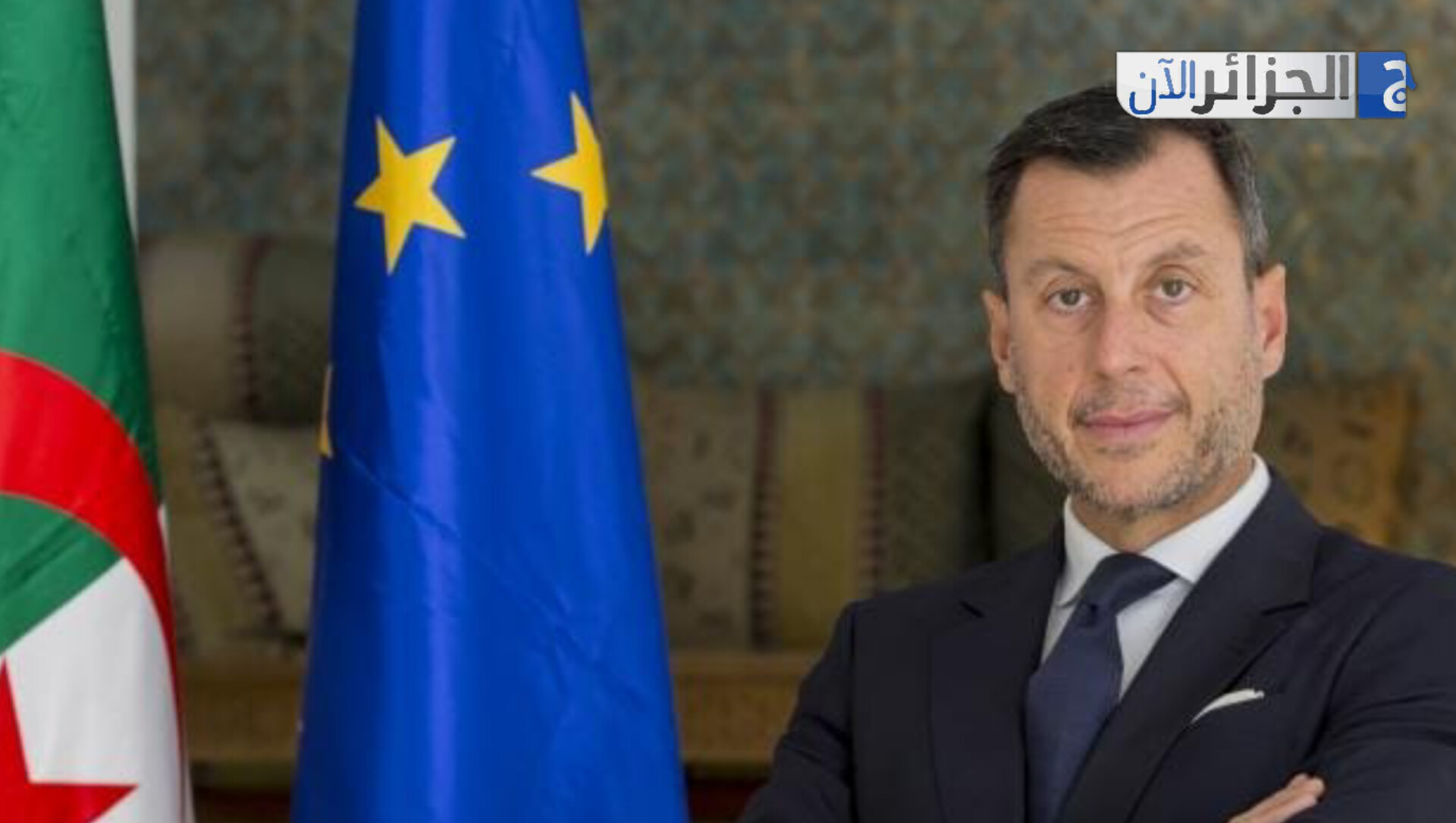
Algiers – The European Union’s Ambassador to Algeria has signaled a period of heightened economic activity between Algeria and the EU, forecasting significant expansion by 2026. In statements made to the Algerian newspaper El Massa, Ambassador Diego Mellado Pascua outlined the EU’s intent to elevate economic cooperation with Algeria, focusing on investment and increased trade.
The Ambassador highlighted a growing consensus within the EU regarding Algeria’s substantial potential and its existing export base, which can be leveraged to develop more balanced and robust relationships. He emphasized that Algeria’s strategic importance extends beyond its borders, positioning it as a key partner for the EU in Africa.
According to Ambassador Mellado, the coming year will see an accelerated pace of partnership, particularly following the adoption of the ‘New Mediterranean Pact’ by EU member states last November. This pact provides a framework for revising cooperation mechanisms between the two shores of the Mediterranean, modernizing relations and opening up broader avenues for economic and trade collaboration. Energy remains a crucial pillar of the partnership with Algeria.
The coming months are expected to witness a series of high-level visits between European and Algerian ministers, aimed at evaluating cooperation opportunities and fostering partnerships that can translate into tangible projects. The EU views Algeria as a primary partner on the African continent, especially in the energy sector, where Algeria remains a reliable supplier and holds a significant position in the international market due to its commitments to its partners.
Ambassador Mellado also acknowledged the economic reforms undertaken by Algeria, particularly the new investment law. He stated that these steps have bolstered confidence and created a more stable and attractive environment for foreign investors. He also commended Algeria’s role in supporting European-African cooperation, describing it as a pivotal player in various economic matters. The reforms are expected to unlock vast opportunities for increasing exports and fostering further economic integration.