EU Freezes €210 Billion in Russian Assets; Moscow Warns of Repercussions
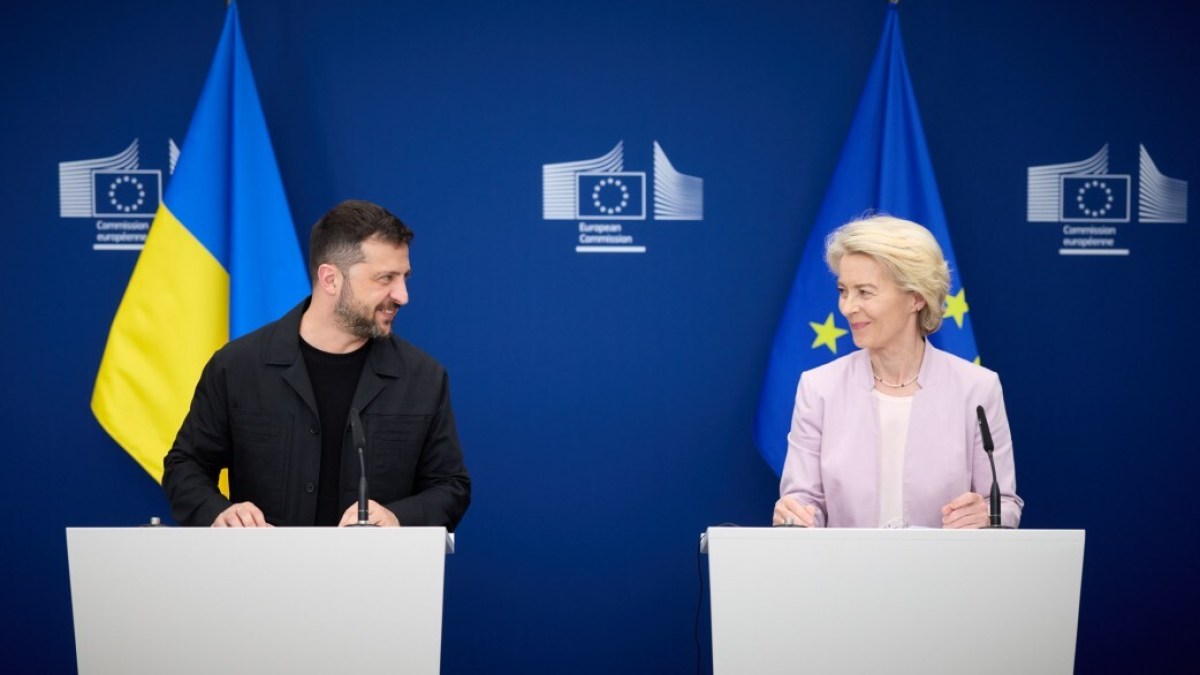
The European Union has decided to indefinitely freeze approximately €210 billion in Russian assets, member states announced Friday. The move underscores the EU’s commitment to increasing the economic pressure on Russia in response to its ongoing conflict in Ukraine. Moscow has responded with warnings of severe consequences for European nations.
According to EU foreign policy chief, Kaya Kalas, the assets will remain frozen until Russia provides full compensation to Ukraine for damages incurred. The EU intends to continue escalating pressure on Russia, compelling them to engage constructively in negotiations.
European Council President Antonio Costa emphasized that EU leaders are committed to maintaining the asset freeze until Moscow ceases its “aggressive war” against Ukraine and assumes responsibility for reparations. The immediate focus, he stated, will be on securing necessary funding for Ukraine over the next two years.
A statement released by the Council of the European Union confirmed the prohibition on the repatriation of frozen assets belonging to the Russian Central Bank within EU member states. The decision was reportedly expedited to mitigate potential harm to the EU’s economic stability.
The Council warned that failure to restrict access to these resources could enable Russia to finance its military actions in Ukraine, potentially leading to severe repercussions for the EU economy and its constituent nations.
European Commission President Ursula von der Leyen welcomed the Council’s decision, asserting that the EU will continue to raise the cost of the conflict for Russia. In a statement, she pledged to bolster Ukraine’s position both on the battlefield and at the negotiating table. This decision effectively extends a previous measure that required the renewal of the freeze on approximately €210 billion in Russian government assets every six months. The EU aims to hold Russia accountable for its actions in Ukraine.