
Algeria Ranks 3rd in Arab World for Longest Work Week
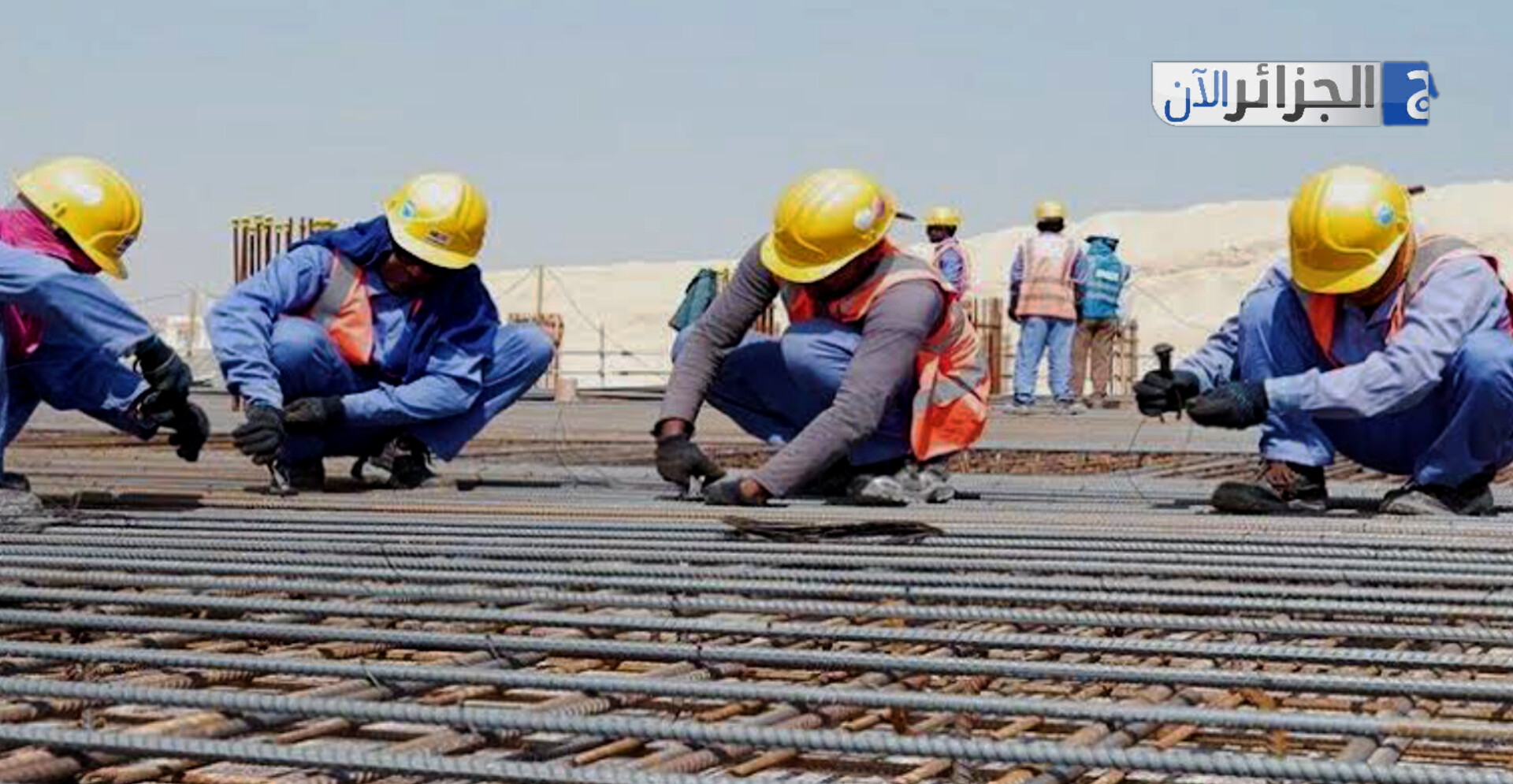
ALGIERS – Algeria holds the third position among Arab nations for the lengthiest average weekly working hours, according to recent data. The average Algerian employee works approximately 42.9 hours per week.
This places Algeria behind only Oman, which leads the region with 43.6 hours, and Libya, in second place at 43.1 hours. While the differences between these top three nations are minimal, the ranking highlights key aspects of the labor market and economic activity within the Arab world.
Following Algeria in the rankings are Saudi Arabia (40.9 hours), Palestine and Bahrain (both at 39.5 hours), and Syria (38.8 hours). At the other end of the spectrum, Mauritania (31.2 hours), Iraq (30.4 hours), and Yemen (25.5 hours) report the shortest average work weeks.
The Algerian average of 42.9 hours exceeds the officially mandated 40-hour work week. This raises important questions about the nature of work in Algeria. Does this extended work time reflect a thriving economy with high labor demand, or is it driven by low wages forcing individuals to work longer to secure adequate income?
The answer varies across sectors. In the private sector, particularly in trade, services, and construction, employees often work well beyond 45-50 hours per week, sometimes without adequate compensation or legal protections. The public sector generally adheres more closely to the legal limits, but faces challenges related to productivity.
The Productivity Paradox: Despite Algerians working some of the longest hours in the Arab world, overall economic productivity does not reflect this effort. Several international reports suggest that Algeria suffers from low productivity compared to similar economies. This indicates that the core issue lies not in the quantity of work, but in its quality and the conditions under which it is performed.
Factors contributing to this include administrative bureaucracy, which consumes time and effort without adding value, and weaknesses in vocational training and qualification programs. Addressing these factors is crucial to improving overall economic performance.