Israel Adrift: The Peril of Dependence on US Patronage
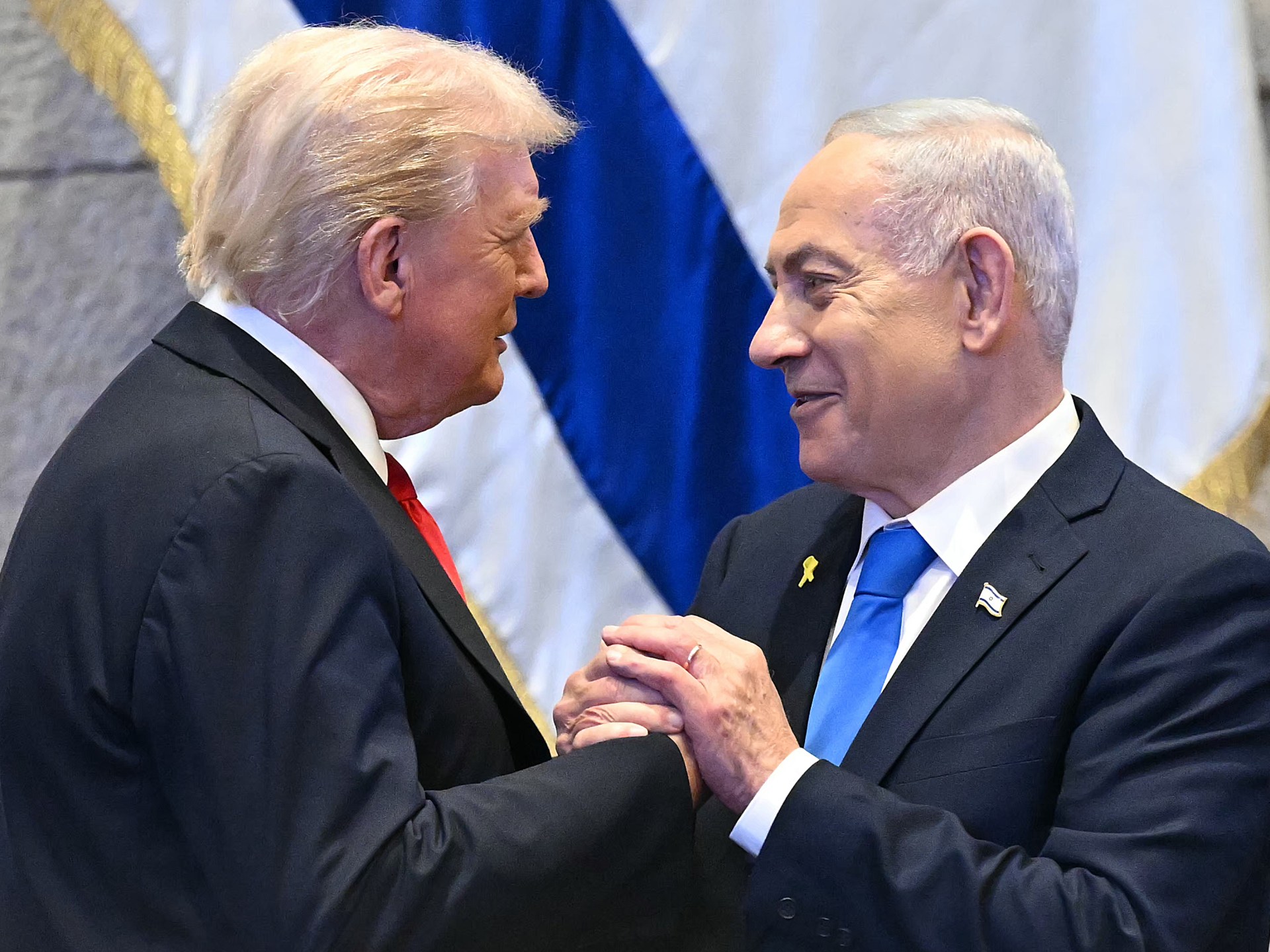
Washington D.C. – The intricate relationship between Washington and Tel Aviv remains one of the most debated on the global stage. This bond, though strong, lacks a formal mutual defense treaty, unlike the U.S. alliances with nations such as Japan, the Philippines, South Korea, and NATO members.
Israel occupies a unique position as a favored ally outside of NATO, enjoying access to advanced U.S. military technology and significant financial aid. Reports from the Council on Foreign Relations (CFR) estimate this financial support to have reached approximately $310 billion. This level of backing has positioned Israel as a key strategic partner in the Middle East, but also fostered a deep dependence.
Unlike those considered adversaries of Israel, who can acquire arms from various sources with fewer political constraints, Israel’s reliance on the United States is near total. Replacing the U.S. as the primary arms supplier is virtually impossible. Major arms manufacturers in Britain, France, Russia, or China cannot provide the same level of comprehensive military support.
Politically, American support has been a continuous boon, particularly for the Israeli right-wing. As Daniel Levy, a former advisor to the Israeli government, noted, the legitimacy of the right-wing in Israel is intrinsically linked to American support.
The late Senator Jesse Helms argued that Israel serves as a crucial military foothold for Washington in a volatile region. He famously described Israel as “America’s aircraft carrier in the Middle East,” justifying the cost of military aid. However, public opinion polls suggest a gradual decline in American support for Israel. A recent Gallup poll indicated that only 46% of Americans express support for Israel, marking a 25-year low. This shift raises questions about the long-term sustainability of the current dynamic and the potential consequences for Israel’s future security and political landscape. The implications of this evolving relationship warrant close observation.