Algeria Introduces New Currency Declaration Rules for Travelers
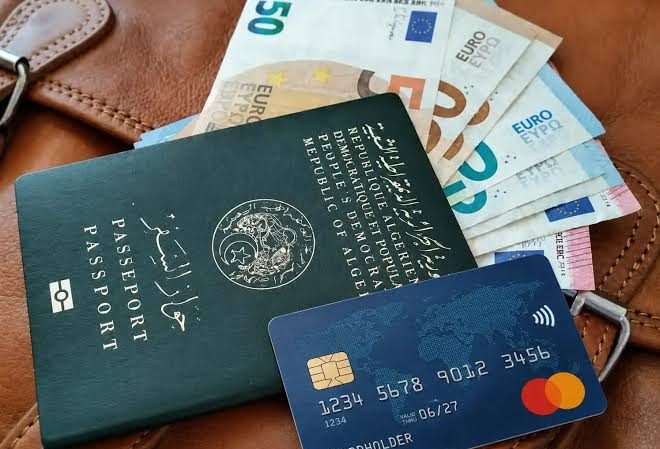
Algeria has introduced new measures governing currency declarations by travelers entering or leaving the country, under a ministerial decision published in Issue No. 51 of the Official Gazette.
The new decision amends and supplements the previous regulation dated July 20, 2024, which established the procedures and official form for currency declarations by travelers.
Under the updated rules, travelers must submit a written declaration when entering or leaving Algerian territory at the competent customs office. The declaration is made using a form provided by customs services, which must be completed and signed by the traveler and is subsequently registered and monitored by the competent authorities.
Travelers are also expected, as a general rule, to complete their currency declaration electronically before reaching the customs office.
The declaration requirement covers banknotes, coins, bearer payment instruments, commercial papers, securities and other negotiable instruments. It has also been extended to precious metals and gemstones carried by travelers.
Non-resident travelers wishing to take out of Algeria foreign currency previously imported but not spent must present the currency declaration completed upon entry. The document must include validation from the Bank of Algeria, an authorized intermediary bank or an exchange office confirming any currency exchange operations carried out during their stay.
Customs officers may request additional information or supporting documents concerning the origin and intended destination of declared funds and valuables.
The new provisions also strengthen the customs information system. Databases will include travelers’ identities, addresses, travel documents, declared amounts, points of departure and destination, the origin and destination of funds, and information concerning the actual sender and beneficiary.
Records of false declarations, undeclared amounts and failures to comply with declaration obligations will also be included.
These data may be exchanged within the framework of national and international cooperation, particularly with the specialized body responsible for combating money laundering and terrorist financing.
The measures are intended to strengthen transparency, financial oversight and the monitoring of cross-border movements of currency and valuable assets.