Grand Mosque Dean Seeks Mauritania Religious, Scientific Ties
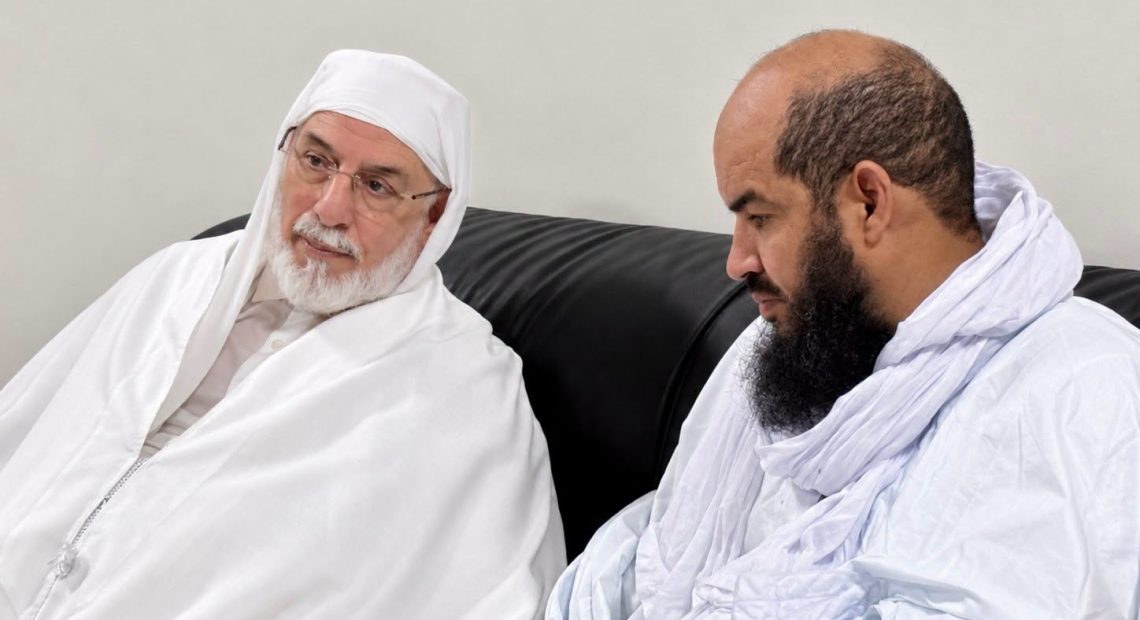
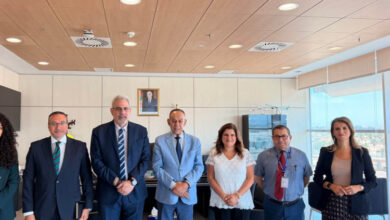
The Dean of the Grand Mosque of Algiers, Sheikh Mohamed Maamoun Al Kacimi Al Hassani, engaged in discussions with Mauritanian religious and scientific counterparts in Nouakchott, aimed at enhancing cooperation across religious, scientific, and cultural domains. These meetings took place during his visit to Mauritania, where he participated in the 39th International Conference on the Prophetic Biography. The Algerian Ambassador to Mauritania, Amin Al-Said, was present, alongside Mauritanian officials including the Head of the Supreme Council for Fatwa and Grievances, Sheikh Eslamo Ould Sid El Mostapha, and the Secretary-General of the Senior Scholars Authority, Sheikh Ould Saleh.
The discussions focused on strengthening collaboration between specialized institutions in both nations, emphasizing the exchange of expertise and experiences. Key topics addressed included issues related to fatwa and institutional ijtihad, the vital role of religious and scientific bodies in navigating emerging challenges, and the importance of sharing knowledge in Sharia research. The talks also covered the training of imams, scholars, and muftis, with a particular emphasis on fostering a scholarly reference grounded in authenticity, moderation, and the objectives of Islamic law.
Further, both parties explored avenues for expanding cooperation between the Grand Mosque of Algiers and Mauritanian religious and scientific institutions. This includes organizing joint seminars and forums, intensifying scientific exchanges, and encouraging direct communication among scholars, researchers, and students from both countries. The importance of enhancing cultural and scientific exchange was also underscored, specifically through increasing the circulation of Algerian books and publications in Mauritania and promoting Algerian intellectual contributions within Mauritanian academic and religious circles. The deep historical and scientific ties, particularly in Maliki jurisprudence, Quranic sciences, Hadith, and language, were recognized as a fundamental basis for this ongoing collaboration.