South Korea, Algeria Deepen Potato Seed Cooperation
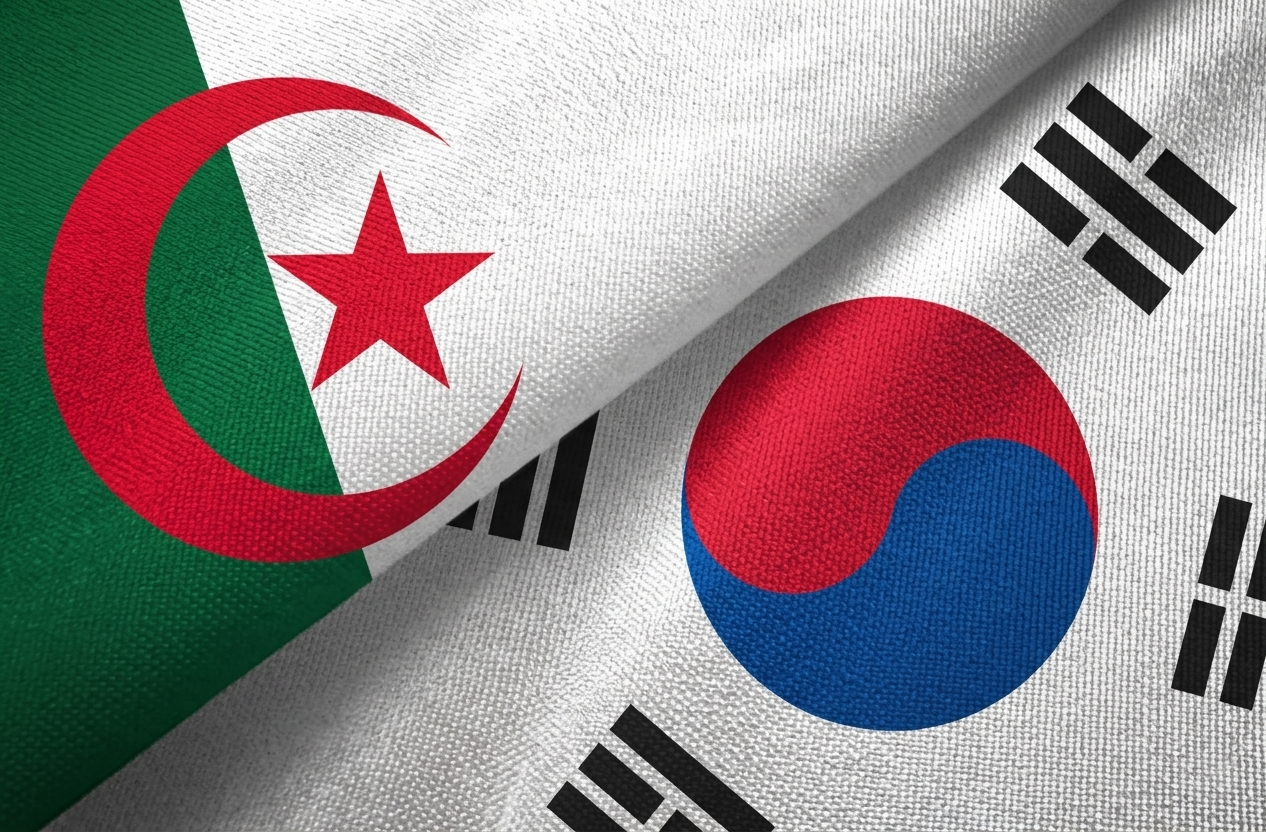
The Algerian National Institute of Agricultural Research (INRAA) held a workshop on October 15, 2026, to present the outcomes of two training missions completed in South Korea. This event was part of a tripartite cooperation program between the Korean International Cooperation Agency (KOICA), the Korean Agricultural Research Institute (KARI), and INRAA, scheduled from 2025 to 2027. The broader initiative, titled "Building INRAA's capabilities in potato seed production and scientific research in Algeria," seeks to enhance national scientific and technical competencies while utilizing Korean expertise and technologies in developing potato seed production.
The opening session featured remarks from representatives of involved Algerian and Korean institutions, including Dr. Rachid Bouhayawi, INRAA Assistant Director; Kim Hyung-suk, Economic Attaché at the Embassy of the Republic of Korea in Algeria; Lee Il-ryeong, KOICA Office Director in Algeria; and Mounir Kourbi, Deputy Director of Research at the Ministry of Agriculture, Rural Development, and Fisheries. Dr. Djamila Yatta presented a report on the results and achievements of the training missions, emphasizing the importance of transferring acquired knowledge and experiences to Algeria’s agricultural research environment and applying them to develop potato seed production techniques. The missions successfully enhanced the professional capacities of 15 beneficiaries, fostering knowledge and innovative technology transfer, and promoting the exchange of expertise and best practices.
Developing potato seed production is of particular importance to Algeria's agricultural sector, as high-quality seeds play a crucial role in improving germination consistency, increasing potential yields, and enhancing production stability, provided suitable technical and agricultural conditions are met. Strengthening national capabilities in this area is a key path to reinforcing the seed production system, improving control over related techniques, and forging a stronger link between scientific research and field applications within agricultural operations.
Discussions during the workshop underscored the significance of continuing and expanding the Algerian-Korean partnership to encompass other innovative scientific and technological fields. This ongoing collaboration is expected to further support agricultural research development, improve productivity, enhance the availability of high-quality seeds, and contribute significantly to achieving Algeria's food sovereignty goals.