OAPEC Hails Algiers Agreement as Strategic Oil Market Turning Point
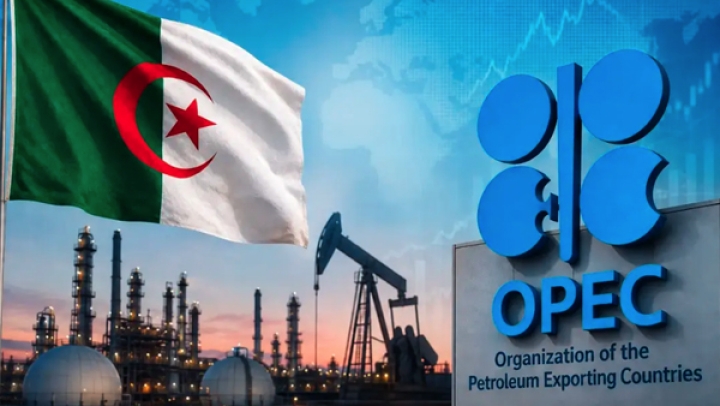
The Organization of Arab Petroleum Exporting Countries (OAPEC) has affirmed that the Algiers Agreement, adopted by the Organization of the Petroleum Exporting Countries (OPEC), represented a strategic turning point in the global oil market. According to OAPEC Secretary-General Khalid Al-Otaibi, the agreement laid essential long-term foundations for the OPEC+ alliance, enabling it to address evolving global oil market conditions. Al-Otaibi's statement appeared in the organization's monthly bulletin, issued on the tenth anniversary of the historic Algiers Agreement.
Al-Otaibi clarified that the Algiers Agreement was more than a temporary response to declining prices; it marked a fundamental shift in the approach to managing oil challenges. The accord established the basis for a more comprehensive and flexible partnership among oil-producing nations. This framework demonstrated resilience in confronting challenges, particularly the significant drop in oil prices approximately ten years prior, which resulted from increased supply—notably from US shale oil—coinciding with weaker demand growth and high inventory levels. This context underscored that restoring balance to the oil market necessitated extensive cooperation among producers, founded on dialogue, trust, and shared responsibility, rather than unilateral actions.
Over the past decade, the OPEC+ alliance has proven its capacity to navigate successive periods of volatility and uncertainty. This has been achieved through continuous monitoring of supply and demand developments, assessment of inventory levels and investment, and the implementation of appropriate measures tailored to market conditions. The OPEC+ experience has further demonstrated that cooperation among producers does not seek to benefit one party at the expense of another. Instead, it contributes to building a more balanced and predictable market, which supports the continuity of investments, enhances supply security, and safeguards the global economy from the adverse effects of sharp fluctuations. The Algiers Agreement's role in establishing the basis for coordinating collective actions and adapting to global oil market transformations remains central to these achievements.