National Economy Becomes Africa’s Third, Cuts Import Spending
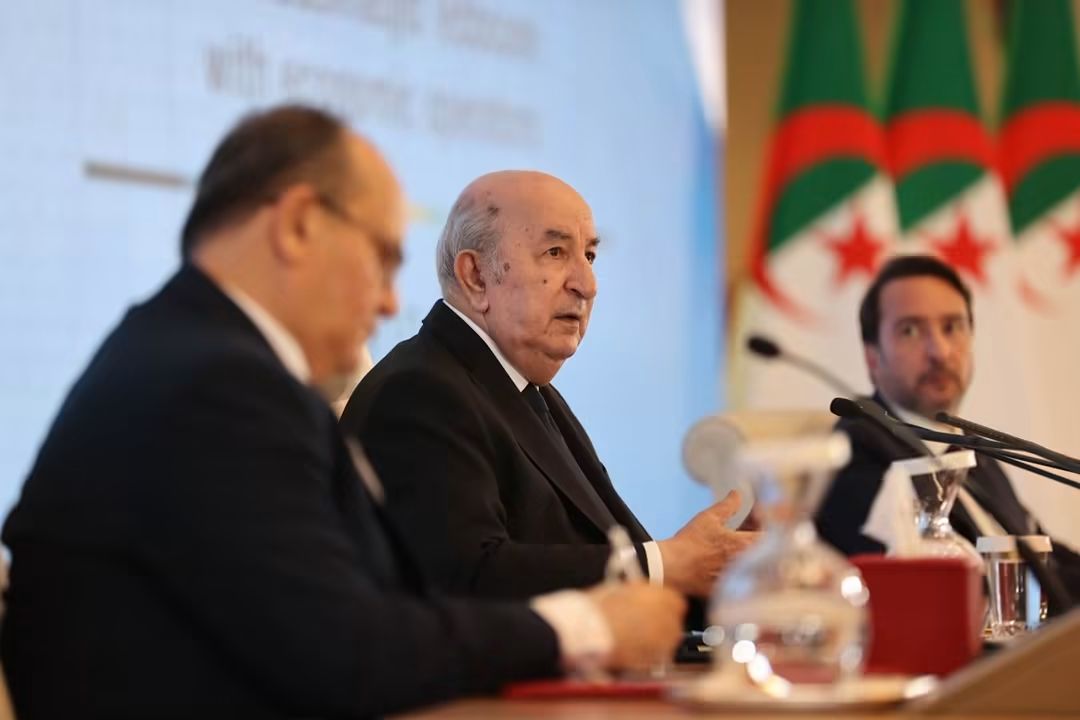
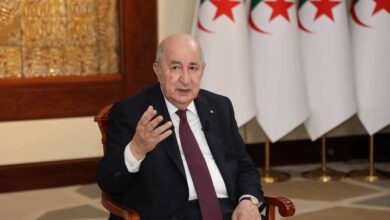
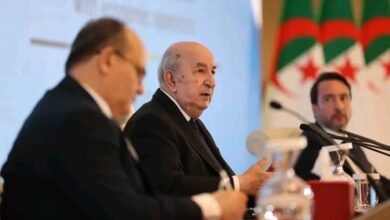
President Abdelmadjid Tebboune announced significant progress in Algeria's national economy, highlighting a notable recovery driven by reduced reliance on imports and the development of industrial, agricultural, and pharmaceutical sectors. The President confirmed that Algeria has reduced its imports by $40 billion to $42 billion, a development that underscores the enhanced capabilities of the national economy. These efforts position Algeria as Africa's third-largest economy, with the nation targeting the completion of a robust, socially-conscious economic structure by the end of 2027.
Further demonstrating its economic independence, Algeria has ceased importing gasoline and jet fuel, known as kerosene. The upcoming operationalization of the new Hassi Messaoud refinery is expected to fully eliminate diesel imports, reinforcing national refining capacities and reducing the import bill. This drive for self-sufficiency extends to other vital sectors, with local pharmaceutical production now covering 84 percent of national medicine requirements, including complex drugs for conditions such as diabetes and cancer, significantly lessening reliance on external markets.
President Tebboune also highlighted the increasing contributions of other key sectors to the national GDP, with industry now accounting for a 10 percent share and agriculture contributing 15 percent. Efforts are underway to achieve self-sufficiency in grain production by the close of 2027, alongside investments in oil and sugar production. The nation also projects the manufacture of an "Algerian car" by the end of 2028, contingent on planned partnerships with German and Italian operators, which aim to localize component production beyond mere assembly. The President also noted the existence of 13,000 real investment projects, supported by a revised legal framework, with the national single investment window set to be fully operational from January 1, 2027, to streamline national and foreign investments.