UN Council Adopts Algeria-Backed Mine Victim Assistance
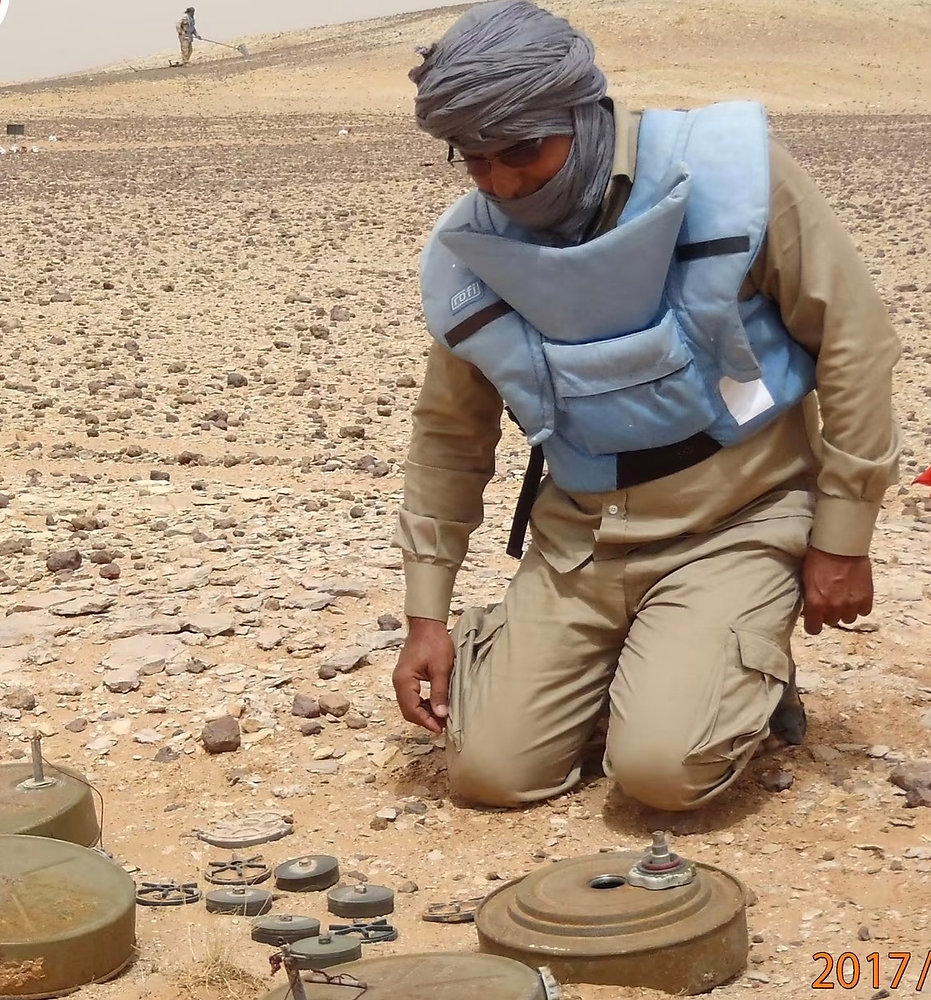
The United Nations Human Rights Council recently adopted resolution 63/20 during its 63rd session in Geneva. This resolution, focused on the impact of anti-personnel mines on human rights and the strengthening of assistance for victims, was championed by Algeria. Algeria collaborated with six other principal co-authors, including Peru, South Africa, Vanuatu, the United Kingdom, Mozambique, and Croatia, to advance this initiative. The text was adopted without a formal vote, reflecting its broad support, and continues the work of resolution 58/22, adopted in April 2025, to keep the human consequences of mines on the multilateral agenda.
The resolution emphasizes a comprehensive approach to victim assistance, moving beyond solely demining efforts. It calls upon states and relevant actors to enhance global support for victims, encompassing access to medical care, rehabilitation services, prostheses, psychological assistance, and socio-economic reintegration mechanisms. Furthermore, the text encourages improved data collection, addresses the specific needs of children and persons with disabilities, and promotes the active participation of victims in the development of programs that directly affect them. It also advocates for strengthened international cooperation, sustainable technical and financial support for affected countries, and the integration of anti-mine action into broader health, education, employment, and development policies. The resolution also outlines plans for a roundtable during the Council's 66th session, which will include the participation of individuals disabled by mine explosions.
For Algeria, this initiative holds particular historical and diplomatic significance. The nation bears the enduring legacy of mines laid during the colonial period, particularly in its border regions. By co-authoring and championing this text, Algeria contributes to framing its national experience within a universal human rights challenge. This diplomatic effort reinforces Algeria's role in multilateral forums, enabling the country to advocate for an approach that effectively links human rights, international cooperation, and comprehensive assistance for affected populations worldwide.