Algerian Innovator Celebrated After Winning Prestigious ‘Stars of Science’ Award in Qatar
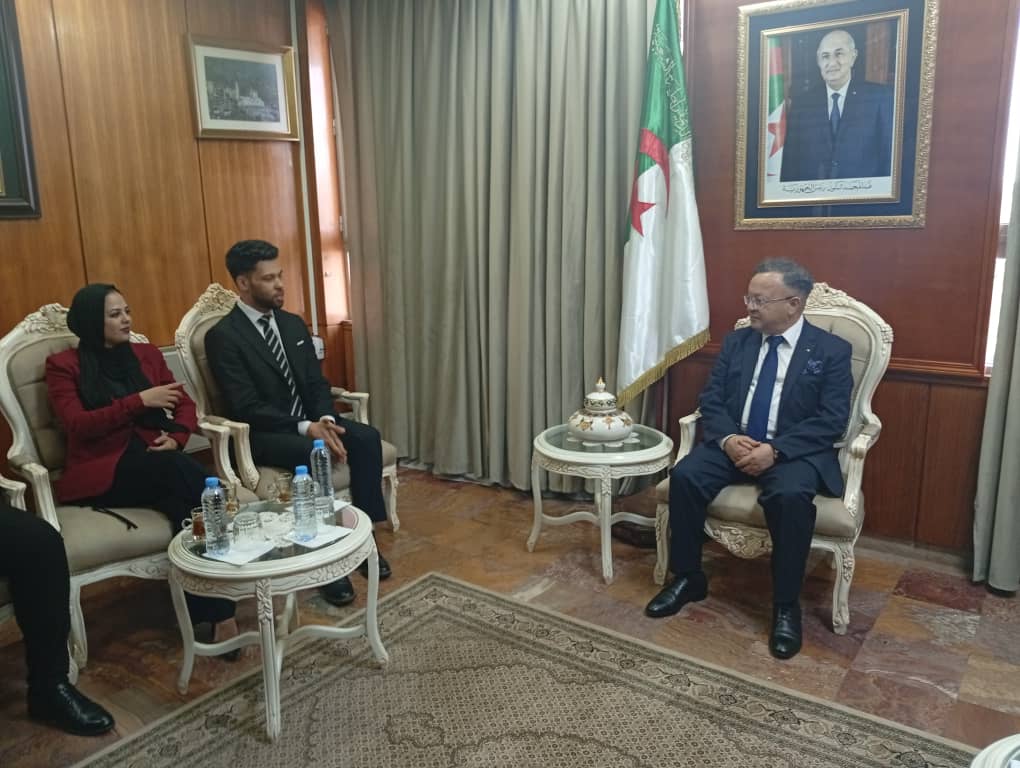
Algiers, Algeria – Dr. Kamel Baddari, Algeria’s Minister of Higher Education and Scientific Research, has formally honored Dr. El-Aid Dirdabou, the Algerian academic who recently clinched the top prize in the renowned ‘Stars of Science’ competition held in Qatar. The reception, held at the ministry headquarters in Algiers, underscored the Algerian government’s commitment to recognizing and celebrating significant scientific achievements by its citizens on the international stage.
Minister Baddari expressed immense pride in Dr. Dirdabou’s accomplishment, highlighting the innovation’s potential impact on public health and well-being. He emphasized the importance of fostering a supportive environment for scientific research and development within Algeria, stating that Dr. Dirdabou’s success serves as an inspiration for young Algerian scientists and innovators. “Dr. Dirdabou’s achievement is a testament to the talent and dedication of Algerian researchers. His innovative application, ‘Veda,’ has the potential to revolutionize how we monitor and address vitamin D deficiencies and mental health concerns,” Minister Baddari stated during the ceremony.
Dr. El-Aid Dirdabou emerged victorious in the 17th season of ‘Stars of Science,’ a leading pan-Arab innovation program, with his groundbreaking ‘Veda’ application. This innovative application leverages the capabilities of smartwatches and smartphones to measure Vitamin D levels in the blood. Furthermore, it is designed to monitor vital signs, facilitating the early detection of depression and anxiety disorders. The application is poised to offer a convenient and accessible method for individuals to monitor their health and seek timely intervention when necessary.
Speaking at the reception, Dr. Dirdabou expressed his gratitude for the Minister’s recognition and reaffirmed his commitment to contributing to the advancement of scientific knowledge in Algeria. He shared insights into the development of the ‘Veda’ application, explaining the underlying scientific principles and the rigorous testing it underwent. He also emphasized the crucial role of mentorship and support in fostering innovation. “I am deeply honored to receive this recognition from the Algerian government. I hope that my success will inspire other young Algerians to pursue their passions in science and technology,” Dr. Dirdabou stated.
Dr. Dirdabou’s academic background is rooted in Algeria, further enriched by his doctoral studies at the University of Vienna, where he specialized in animal physiology and nutrition. His doctoral research provided him with a deep understanding of the complex interplay between nutrition, physiology, and mental health, which ultimately laid the foundation for the ‘Veda’ application. The smartwatch innovation monitors key biomarkers in the human body, specifically targeting vitamin D levels and serotonin, a neurotransmitter associated with mood regulation. By tracking these indicators, the application aims to provide an early warning system for individuals at risk of developing depression and anxiety.
The ‘Stars of Science’ program, established in 2009 by the Qatar Foundation, has become a cornerstone of innovation in the Arab world. The program, presented as an edutainment reality television series, provides a platform for aspiring innovators from across the Arab region to transform their innovative ideas into tangible solutions. It is designed to foster a culture of innovation among Arab youth and contribute to the development of a knowledge-based economy. The program offers participants access to expert mentorship, state-of-the-art facilities, and funding opportunities, enabling them to refine their prototypes and bring their innovations to market.
For more information about Algeria, check our dedicated section.
Beyond the immediate benefits of the ‘Veda’ application, Dr. Dirdabou’s success has broader implications for Algeria’s scientific community. It highlights the potential of Algerian researchers to compete and excel on the global stage. It also underscores the importance of investing in scientific research and development to drive economic growth and improve the quality of life for Algerian citizens. The Algerian government has increasingly prioritized science and technology as key drivers of national development, implementing initiatives to promote research and innovation, support entrepreneurship, and attract foreign investment in the technology sector.
The Ministry of Higher Education and Scientific Research has launched several programs aimed at encouraging young Algerians to pursue careers in science and technology. These programs include scholarships for students pursuing STEM fields, funding for research projects, and support for startups in the technology sector. The government is also working to improve the infrastructure for scientific research, including upgrading laboratories and research facilities at universities and research institutions.
The success of Dr. Dirdabou in ‘Stars of Science’ is not an isolated event but rather a reflection of the growing dynamism of Algeria’s scientific community. It is a sign that Algeria is poised to play an increasingly important role in the global landscape of science and technology. The recognition he received from Minister Baddari serves as a powerful symbol of the government’s commitment to supporting and celebrating the achievements of its scientists and innovators. It also sends a clear message to young Algerians that their talents and ideas are valued and that they have the potential to make a significant contribution to the world.
Looking ahead, Dr. Dirdabou plans to continue developing and refining the ‘Veda’ application, working with healthcare professionals and technology experts to ensure its accuracy, reliability, and user-friendliness. He also hopes to expand the application’s functionality to monitor other health indicators and to integrate it with existing healthcare systems. His ultimate goal is to make ‘Veda’ a widely accessible tool for promoting health and well-being, not only in Algeria but throughout the world. His journey from an Algerian university to the top of ‘Stars of Science’ is a powerful reminder of the transformative potential of scientific innovation and the importance of investing in the next generation of scientists and engineers.