Fleeing El Fasher: Hundreds of Sudanese Families Face Dire Conditions in Northern State
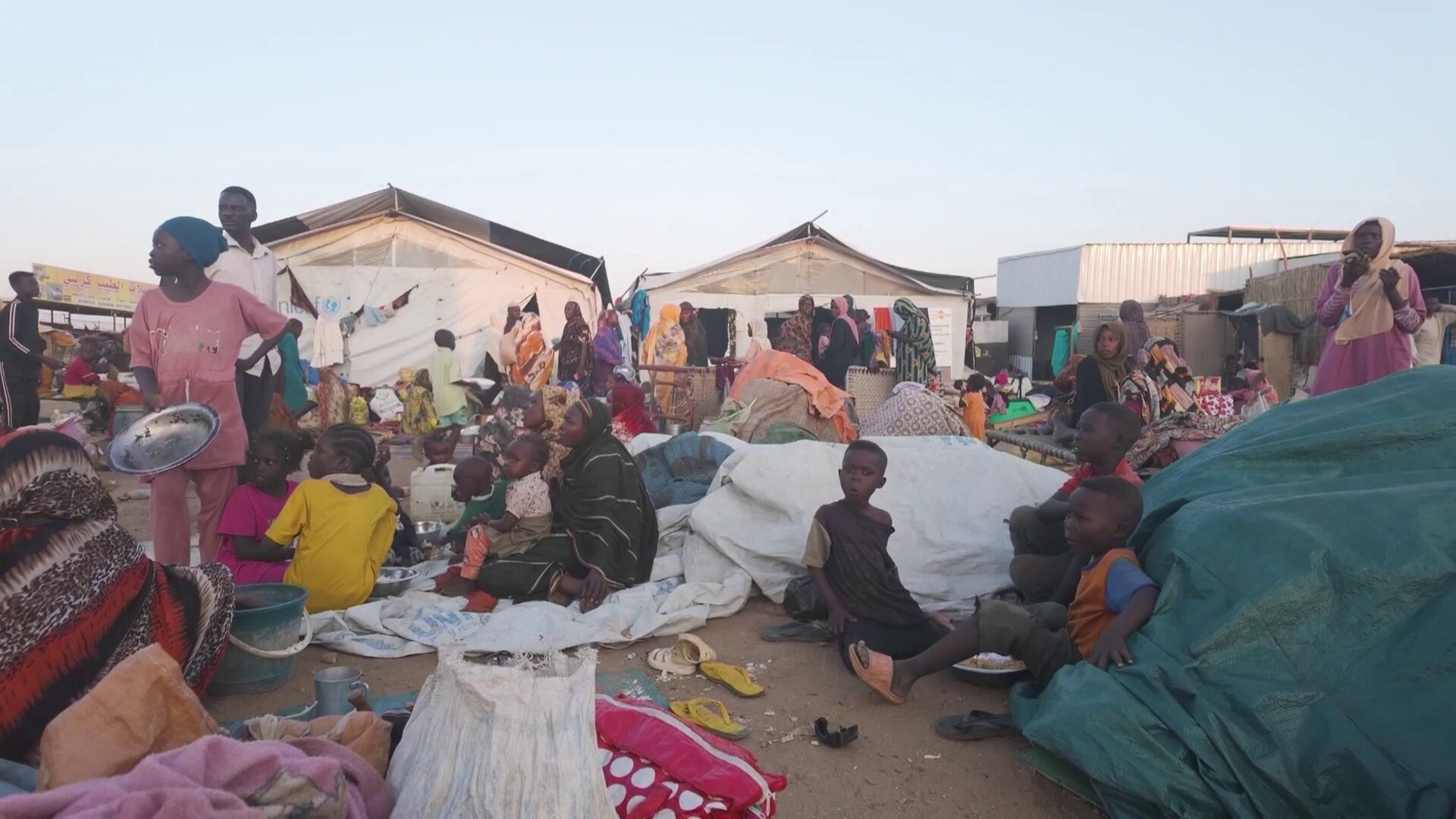
The ongoing conflict and recent capture of El Fasher, the capital of North Darfur state, by the Rapid Support Forces (RSF) have forced hundreds of Sudanese families to abandon their homes and seek refuge in safer areas. However, these displaced families are facing extremely challenging and harsh humanitarian conditions, struggling to survive after arduous journeys.
An Al Jazeera correspondent in Sudan, Osama Sayed Ahmed, reported on the plight of these displaced individuals at a transit point in the city of Al Dabbah, located in Sudan’s Northern State. Al Jazeera’s footage revealed the desperate situation of the displaced, including women and children, many of whom had endured week-long journeys to reach safety. The images portray a scene of exhaustion, hunger, and uncertainty, highlighting the immense suffering caused by the escalating conflict.
Al Dabbah is currently hosting over 4,000 displaced people from the Darfur and Kordofan regions in western Sudan. Local government officials anticipate a significant influx of new arrivals in the coming hours and days following the RSF’s complete control of El Fasher. The city has become a crucial point of entry for those escaping the violence, but its capacity to provide adequate support is stretched thin.
Hundreds of families have already arrived in Al Dabbah after managing to escape El Fasher during its siege and intense fighting. The Al Jazeera correspondent reports that further arrivals are expected in the coming days, compounding the already dire humanitarian situation. Between ten and twenty families are reaching Al Dabbah daily, having traversed hundreds of kilometers under extremely difficult circumstances. The journey itself is fraught with danger and hardship, as documented in the Al Jazeera report. Many are arriving with little more than the clothes on their backs, having lost everything in the chaos of the conflict.
The Humanitarian Aid Commission in the Northern State has stated that it is coordinating with partner organizations to provide essential needs to the current displaced population and those expected to arrive. Camps are being prepared in various locations to accommodate a portion of the displaced. However, the scale of the crisis is rapidly outpacing the available resources.
Despite the assistance provided by some regional organizations, the need for urgent aid remains critical, according to the Al Jazeera report. The humanitarian situation is deteriorating rapidly, with displaced families lacking access to basic necessities such as food, water, shelter, and medical care. The lack of sanitation and hygiene facilities further exacerbates the situation, raising concerns about the spread of disease.
Last Sunday, the RSF seized control of El Fasher, which was the last stronghold of the Sudanese Armed Forces (SAF) in the Darfur region. Reports have emerged alleging massacres committed by the RSF against civilians, leading to the displacement of thousands of families to safer areas in northern and western Darfur. These reports, while difficult to independently verify, have fueled widespread fear and panic, driving even more people to flee their homes.
For more information about Algeria, check our dedicated section.
Since last Sunday, tens of thousands of civilians have been displaced from El Fasher due to the fighting. Many have headed to the town of Tawila, located 70 kilometers away, which was already hosting an estimated 650,000 displaced people, according to United Nations estimates. This influx is placing an unbearable strain on Tawila’s already limited resources and infrastructure.
The conflict in Sudan, which erupted in April 2023, has created one of the world’s worst humanitarian crises. The fighting between the SAF and the RSF has resulted in widespread death, destruction, and displacement. Millions of Sudanese people have been forced to flee their homes, seeking refuge in other parts of the country or in neighboring countries.
The international community has repeatedly called for a ceasefire and a peaceful resolution to the conflict. However, these calls have largely gone unheeded, and the fighting continues to escalate. The lack of access to humanitarian aid is further compounding the suffering of the Sudanese people.
Organizations like the UN Refugee Agency (UNHCR) and the World Food Programme (WFP) are working tirelessly to provide assistance to the displaced population, but they are facing significant challenges due to the ongoing conflict and the lack of funding. The international community needs to step up its efforts to provide humanitarian aid and to pressure the warring parties to end the conflict.
The situation in Al Dabbah and other areas hosting displaced people is dire and requires urgent attention. The international community must act quickly to provide the necessary resources to alleviate the suffering of these vulnerable populations. Failure to do so will result in a further deterioration of the humanitarian situation and could lead to even greater loss of life. The crisis in Sudan is a stark reminder of the devastating consequences of conflict and the urgent need for peace and stability in the region. The people of Sudan deserve a future free from violence and displacement, a future where they can live in safety and dignity.