UN Security Council Vote on Western Sahara: No Recognition of Moroccan Sovereignty
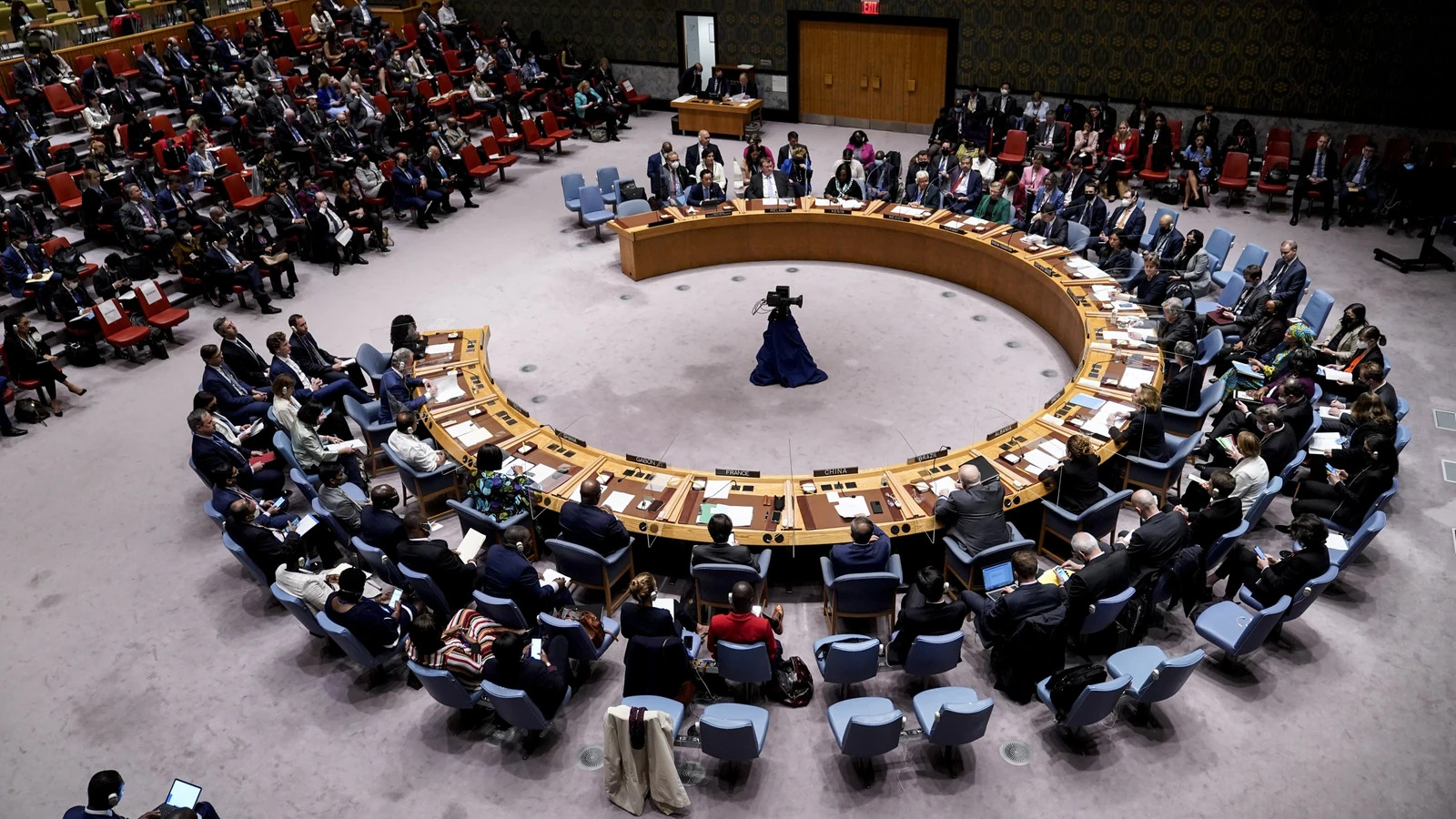
Following the UN Security Council‘s vote on the resolution concerning the Western Sahara, deliberations have revealed that the adopted text is merely a procedural extension of the mandate for the United Nations Mission for the Referendum in Western Sahara (MINURSO) for another year. Contrary to claims made by some parties, the resolution does not constitute any recognition of Moroccan sovereignty over the disputed territory.
The positions of the majority of member states underscore this point. Many emphasized their commitment to the principle of self-determination as the fundamental solution to the conflict. Algeria, which engaged in intensive diplomatic efforts leading up to the vote, chose not to participate, arguing that the text “disregards the proposals of the Polisario Front,” the legitimate representative of the Sahrawi people, and that the Sahrawi people alone should determine their future.
Algeria’s Permanent Representative to the UN, Amar Bendjama, affirmed that “the final decision regarding the future of the territory cannot and should not belong to any party other than the people under colonial domination.”
Other nations that voted in favor of the resolution clarified that their support was solely for the extension of MINURSO’s operations and did not imply recognition of any asserted sovereignty. Slovenia stated its support for “a just, lasting, and mutually acceptable political solution that guarantees the right to self-determination for the Sahrawi people,” while Denmark clarified that its vote “does not constitute recognition of Moroccan sovereignty.”
South Korea emphasized that the resolution “does not prejudge the outcome of negotiations,” and Guyana stated that the solution “must provide for the right to self-determination for the Sahrawi people.”
Russia criticized the resolution as “unbalanced,” explaining that its abstention was to avoid disrupting MINURSO’s work. China stated that the text “failed to take into account the positions of all parties” and called for a political solution through dialogue. Pakistan believed that the resolution “did not adequately address the principle of self-determination.”
These diverse perspectives highlight that the resolution does not represent a political shift in the core issue but is simply a technical extension of MINURSO’s mandate, reflecting the international community’s desire to maintain the UN process without prejudice to the Sahrawi people’s right to self-determination. The future of Western Sahara remains a complex and unresolved issue.