Sahrawi Prisoner Day: Remembering Gdeim Izik’s Legacy
On Sahrawi Prisoner Day, the enduring struggle and sacrifices of Sahrawi political prisoners are brought into sharp focus. This day serves as a poignant reminder of the ongoing conflict in Western Sahara and the plight of those detained for their activism and advocacy for self-determination.
President of the Sahrawi Arab Democratic Republic, Brahim Ghali, emphasized the significance of the Gdeim Izik protest camp as a pivotal moment in the Sahrawi people‘s resistance against occupation. He described the dismantling of the camp in 2010 as a brutal act, and the subsequent trials of activists as politically motivated.
Gdeim Izik: A Symbol of Resistance
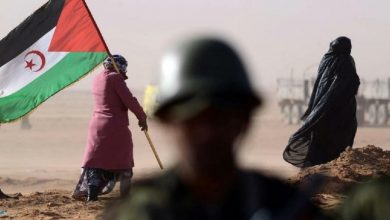
The Gdeim Izik camp, established in 2010 near Laayoune, became a powerful symbol of Sahrawi resistance. Thousands of Sahrawis peacefully gathered to protest social, economic, and political marginalization. The camp was forcibly dismantled by Moroccan security forces, leading to clashes and the arrest of numerous individuals.
The trials that followed have been widely condemned by international human rights organizations, who have raised concerns about due process and allegations of torture. Many Sahrawis remain imprisoned as a result of their participation in or perceived support for the Gdeim Izik protests.
President Ghali reiterated his commitment to securing the release of all Sahrawi political prisoners and continuing the struggle for the Sahrawi people’s right to self-determination and independence. He affirmed that the Sahrawi people’s resolve remains unbroken, and that they will continue to demand an end to the occupation and the full realization of their national rights.
Sahrawi Prisoner Day is not only a day of remembrance but also a call to action, urging the international community to pressure for the release of political prisoners and to support a just and lasting resolution to the conflict in Western Sahara.