UN Peacekeeping Mission in Central African Republic Extended
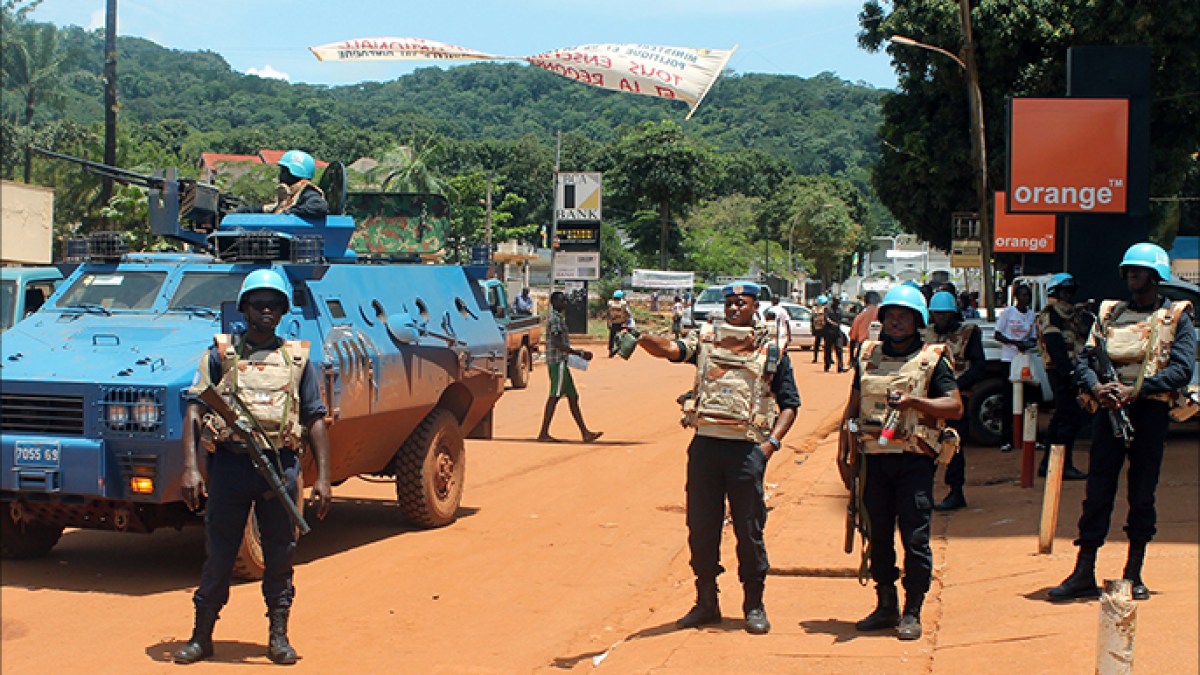
New York – The United Nations Security Council has voted to extend the peacekeeping mission in the Central African Republic (CAR) for another year. The decision, made on Thursday, November 13th, comes amid reservations from the United States, which abstained from the vote. Fourteen other member states supported the resolution.
The renewed mandate extends the operations of the United Nations Multidimensional Integrated Stabilization Mission in the Central African Republic (MINUSCA) until November 15, 2026. The resolution also indicates a potential downsizing of the mission following the upcoming elections scheduled for 2025 and 2026.
MINUSCA was established in April 2014 in the wake of a bloody civil war that erupted after a coup ousted President François Bozizé. Since then, the mission has been a cornerstone of efforts to restore stability to the country.
Despite the extension, the Security Council slightly reduced the authorized troop ceiling from 14,400 to 14,046, reflecting financial pressures stemming from reduced U.S. contributions to peacekeeping operations. The Council affirmed its intention to reassess the mission’s size after the completion of the upcoming electoral process.
The CAR is preparing for quadrennial elections – presidential, legislative, regional, and municipal – on December 28th. Approximately 2.3 million voters are expected to head to the polls. However, the opposition has announced a boycott, accusing the authorities of tightening their grip on the process, as current President Faustin-Archange Touadéra seeks a third term.
The resolution revealed differing views within the Security Council. France emphasized that the primary goal of the extension is to ensure a lasting return to peace and security, allowing for a gradual and orderly transfer of peacekeeping responsibilities to national authorities. The government of the Central African Republic welcomed the move, stating that it is working to create the conditions for a responsible withdrawal based on the reality on the ground, while warning that any hasty withdrawal could jeopardize hard-won gains.
The United States, on the other hand, advocated for a shorter extension of no more than six months or a larger reduction in troop numbers, arguing that this would give the Council a clearer view of the evolving situation.