
Sudan Army’s Withdrawals: Tactical Shifts or Strategic Losses?
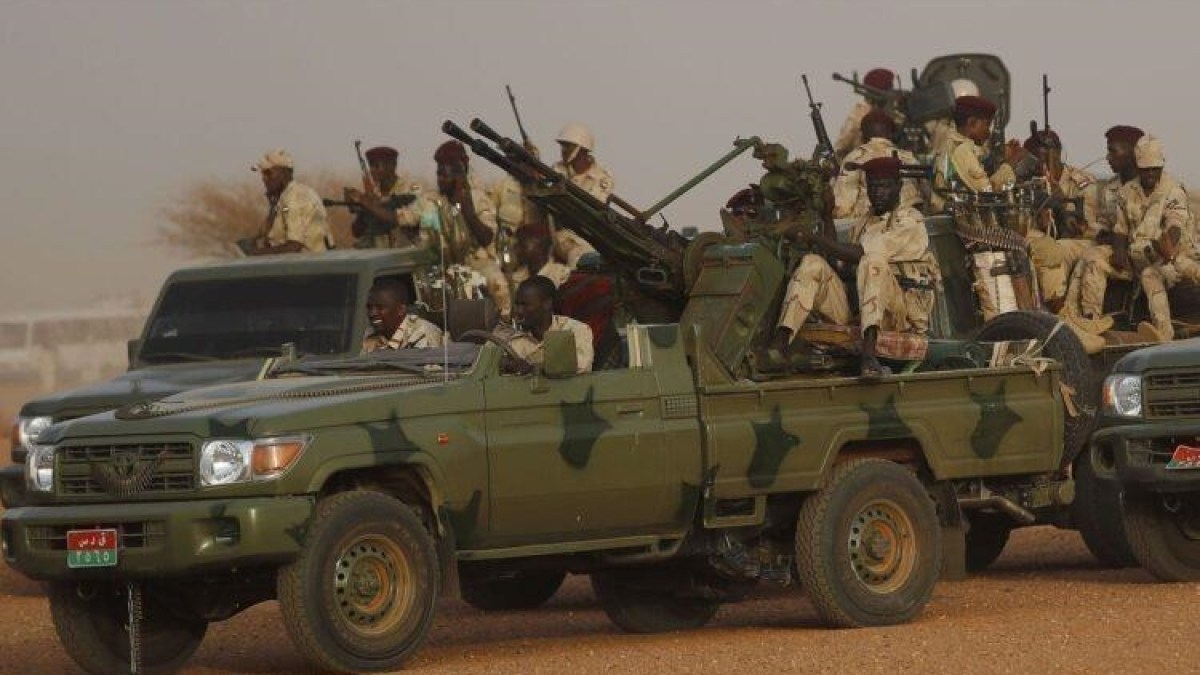
Fighting intensifies in Sudan’s North and South Kordofan states, emerging as critical fronts in the ongoing conflict. Amidst these battles, the Sudanese army speaks of “tactical withdrawals” and troop repositioning, sparking debate about their strategy.
Military expert Colonel Hatem Karim Al-Fallahi suggests a re-evaluation of army priorities. Cities like Babanusa in West Kordofan, and Al-Ubayyid, the capital of North Kordofan, have gained significant strategic importance.
Al-Fallahi explains that the army’s deployment in Babanusa is a “localized” defense, aiming to prevent the Rapid Support Forces (RSF) from seizing control. This comes as the military leadership seemingly de-prioritizes other areas, such as Um Sayala, leading to tactical withdrawals.
According to Al-Fallahi, this isn’t the first such withdrawal, drawing parallels to a similar tactic employed previously in Al-Fashir, the capital of North Darfur. The goal is to redeploy troops to fronts where they can exert greater influence on the battlefield.
A military source confirmed the withdrawal of the Sudanese army and its supporting forces from Um Sayala in North Kordofan. This occurred shortly after retaking it from the RSF.
Al-Fallahi believes that securing areas like Bara, a prominent city in North Kordofan, strengthens the army’s defenses around Al-Ubayyid, considered a key regional center. Encirclement of surrounding areas could cut off supply routes to the RSF, hindering their ability to capture the city.
A Sudanese army source reported fierce clashes with the RSF in several cities in North Kordofan, stating that the capture of Bara is imminent.
Conversely, the RSF heavily relies on drones to target army positions, attempting to impose a tight siege on cities. The effectiveness of these operations remains a key factor in the evolving conflict.