Johannesburg G20: Africa Takes Center Stage Amid Geopolitical Storm
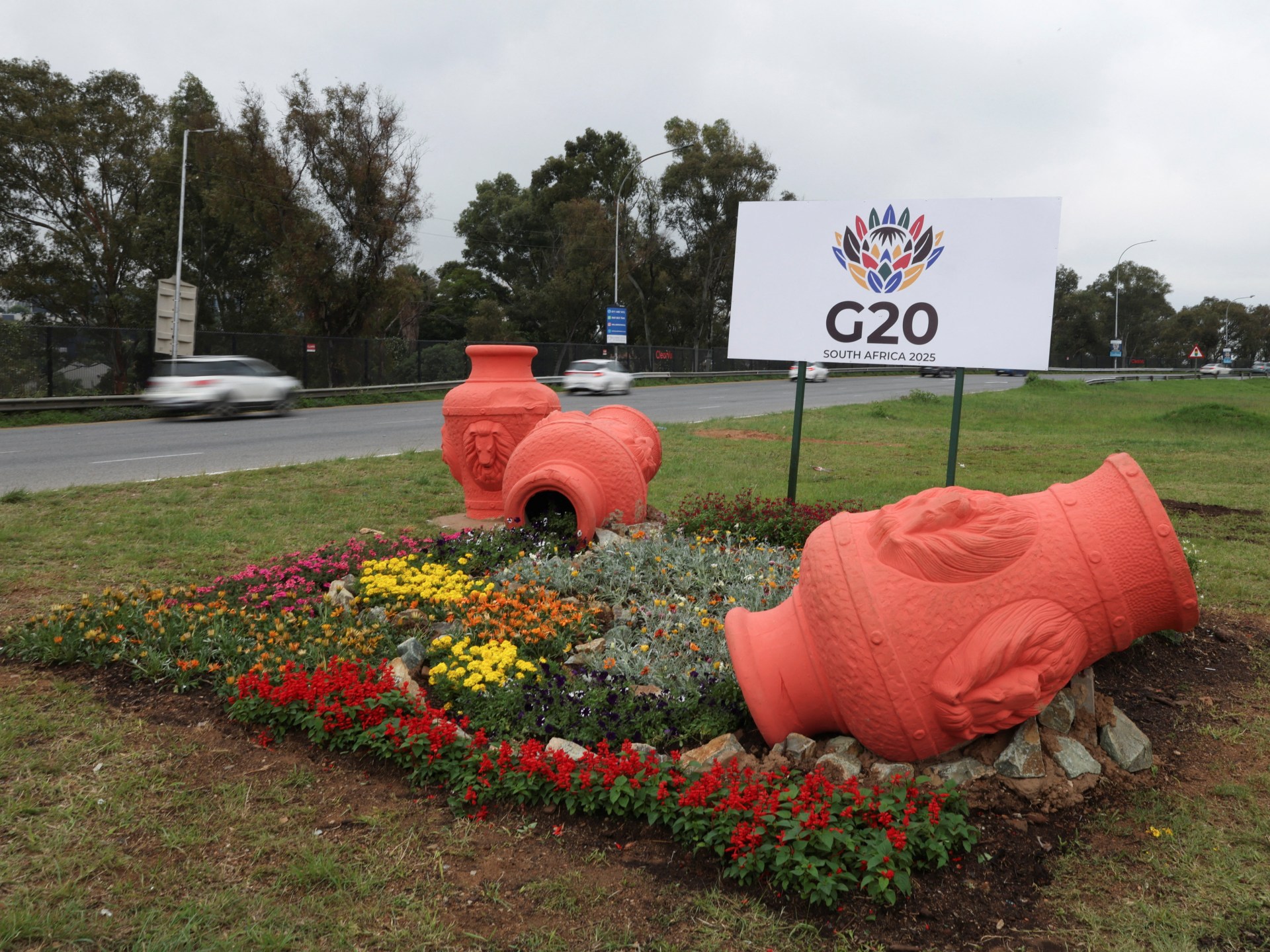
Johannesburg, South Africa, is poised to host the G20 Summit on November 22nd and 23rd, 2025. This marks a historic moment as leaders from the world’s most powerful economies convene on African soil for the first time.
Originally envisioned as a celebration of Africa’s growing influence, the summit’s theme is “Solidarity, Equality, and Sustainability.” However, the atmosphere has shifted to one of anticipation and concern following the announced absences of key global leaders.
The absence of the American, Chinese and Russian presidents casts a shadow over the event, raising questions about the future of global economic governance. This development transforms the summit into an unprecedented test of international cooperation in an era of increasing division.
The G20, comprised of 19 of the world’s largest economies plus the European Union and the African Union, represents a significant economic force. Member nations account for 85% of global GDP, 75% of international trade, and are home to two-thirds of the world’s population.
Established in 1999, the G20 gained prominence in 2008 when it was elevated to a leaders’ summit to address the global financial crisis. Decisions made within this forum impact billions of lives worldwide.
This summit in Africa offers a unique opportunity for the continent to place its priorities at the forefront of the global agenda. While challenges remain, the Johannesburg G20 summit represents a pivotal moment for Africa to assert its role in shaping the future of the global economy.