Libya Announces Formation of Supreme Presidential Council
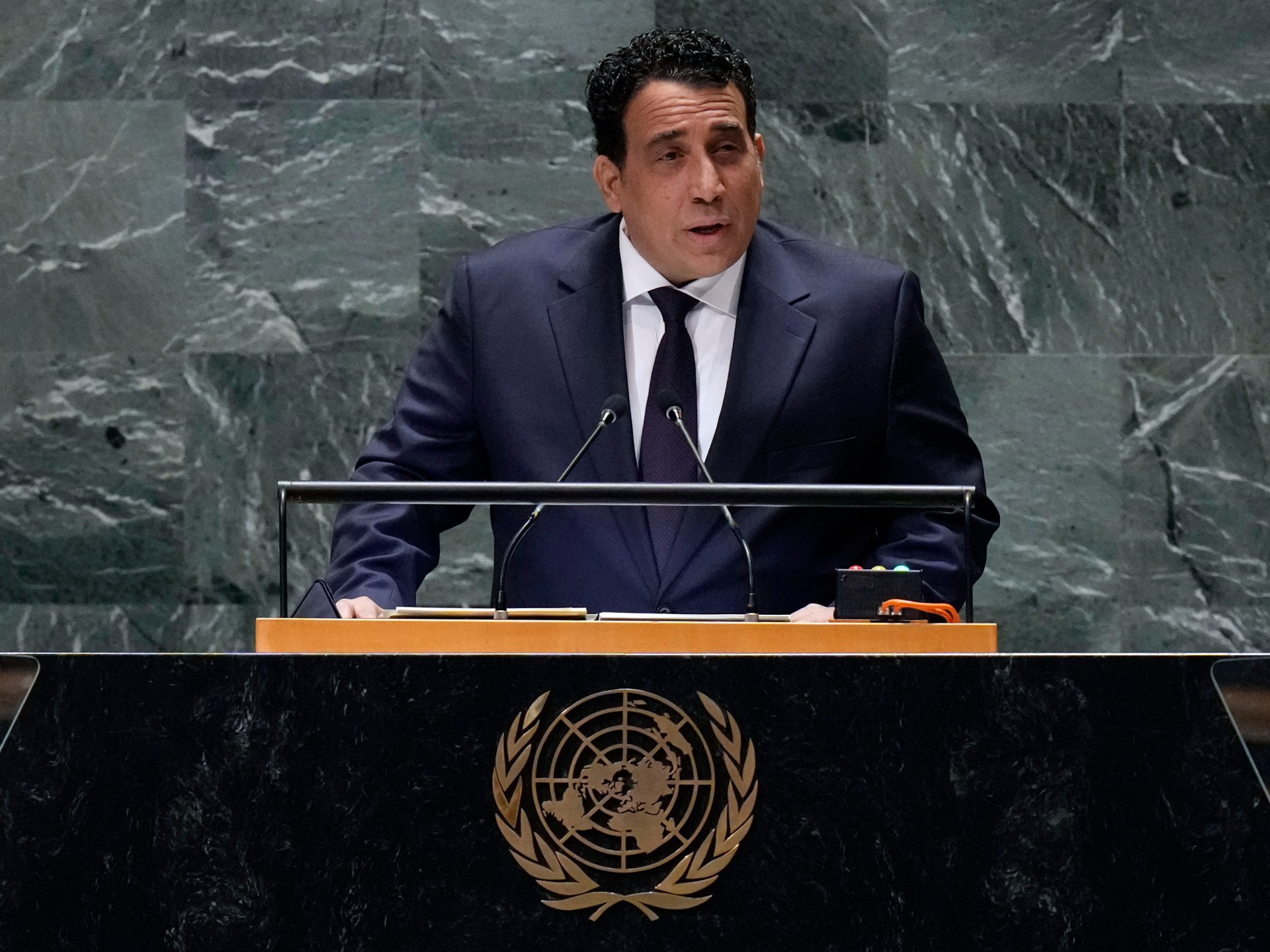
Tripoli, Libya – In a move aimed at unifying national decision-making, the Libyan Presidential Council, the Government of National Unity, and the High Council of State jointly announced the establishment of the ‘Supreme Presidential Council’ on Thursday. This new body is intended to serve as a coordinating framework and act as the supreme sovereign authority within the country.
The announcement followed a high-level meeting in Tripoli between Presidential Council Head Mohammed al-Menfi, Prime Minister of the Government of National Unity Abdul Hamid Dbeibeh, and Head of the High Council of State Mohammed Takala, according to a joint statement.
The initiative is described as part of a shared national approach designed to unify national decision-making on strategic issues and enhance institutional harmony among the various authorities, the statement indicated.
The newly formed Supreme Presidential Council is tasked with developing a unified methodology for Libyan national decision-making and coordinating official positions on political, economic, and security matters. Furthermore, it will work to formulate joint policies that safeguard Libya’s sovereignty, territorial integrity, and political, social, and economic stability, without creating any additional entities or new structural burdens.
Signatories to the statement emphasized that the establishment of the council is a response to the requirements of the current stage and embodies a commitment to overcoming divisions and working in a spirit of national responsibility.
They called on other sovereign institutions to join this coordination process, which they believe will enhance stability, safeguard the higher interests of the Libyan state, and contribute to building a strong and unified nation capable of protecting its sovereignty and the resources of its people.
Libya has been grappling with a power struggle between two governments: one appointed by the House of Representatives in early 2022, headed by Osama Hamad and based in Benghazi (east), which controls the entire east of the country and most of the southern cities; and the other, the Government of National Unity headed by Dbeibeh and based in Tripoli (west), which controls the entire west of the country.