
France Faces Backlash After Stark Russia War Warning
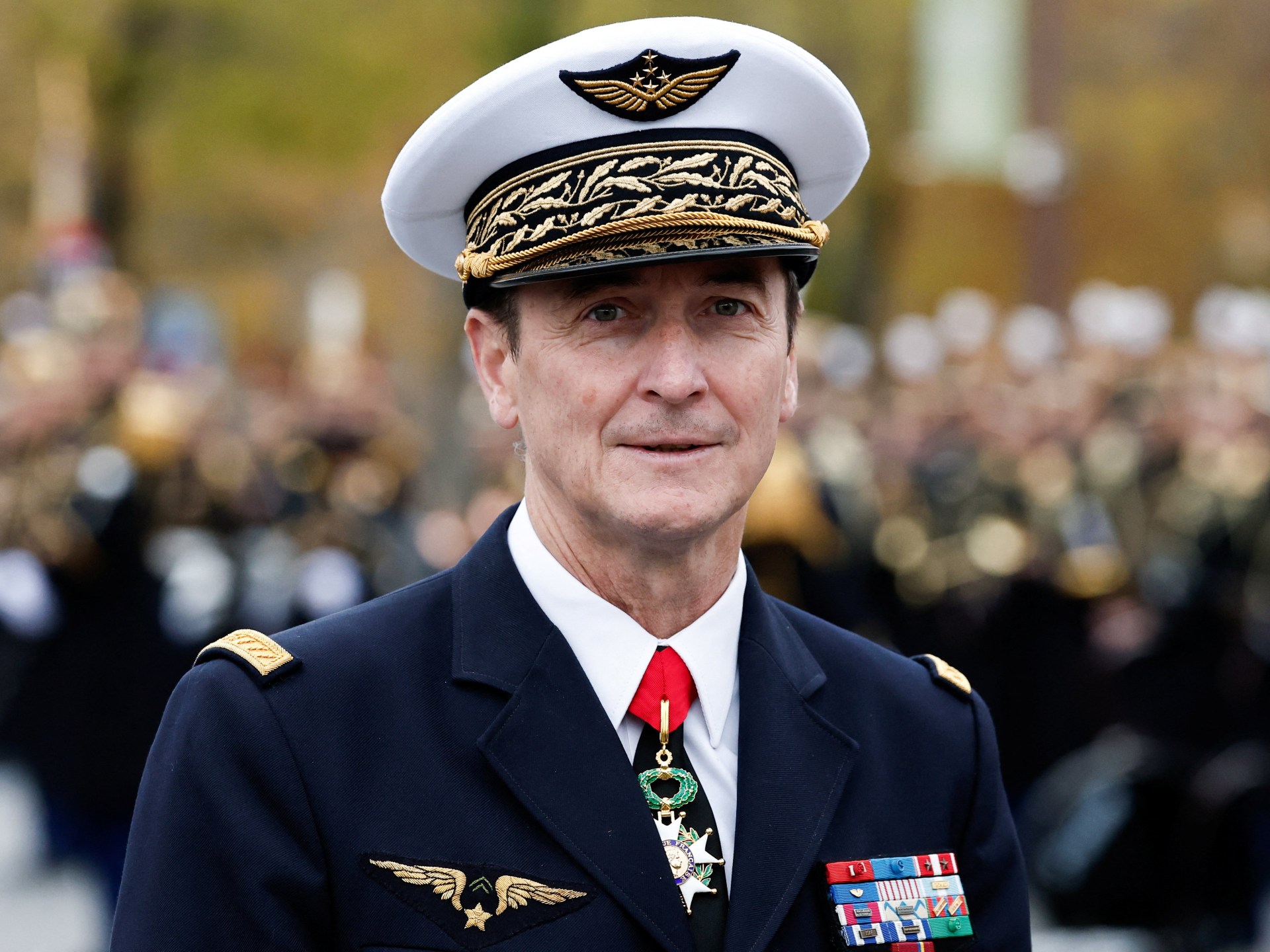
Paris – A political firestorm has erupted in France following a stark warning from the nation’s top military commander regarding a potential future conflict with Russia. General Fabien Mandon, Chief of Staff of the French Army, faced immediate criticism after suggesting that France must be prepared for significant losses in a future war to defend against possible Russian aggression.
Speaking at a mayors’ conference in Paris earlier this week, General Mandon stated, “France cannot assume that peace will continue indefinitely. If our country falters because it is not prepared to accept the loss of its sons and daughters, and to suffer economically as defense production takes precedence, then we are in danger.”
The military leader elaborated that available intelligence suggests Russia is preparing for a confrontation with Western nations by 2030. He asserted that Russia views NATO and its member states as an existential threat.
These comments have triggered a wave of criticism across the French political spectrum. Prominent left-wing politician Jean-Luc Mélenchon argued that it is not the army chief’s role to call for war preparedness when no such decision has been made.
Sébastien Chenu, Vice-President of the far-right National Rally party, stated that General Mandon is not authorized to “alarm the French people with such statements.” Similarly, Communist Party leader Fabien Roussel wrote on social media, “Yes to national defense, but no to irresponsible warmongering speeches.”
The controversy coincides with the release of a new public safety guide in France, which, for the first time, addresses the possibility of large-scale French military deployments abroad. The guide highlights potential hybrid destabilization campaigns that could accompany a wider military conflict and urges citizens to prepare accordingly. This confluence of events has amplified concerns about France’s preparedness for future security challenges.
The debate underscores the growing anxiety within European nations regarding Russia’s increasingly assertive foreign policy and the potential for escalation in the coming years.