Algeria-France Relations: Who Needs Whom?
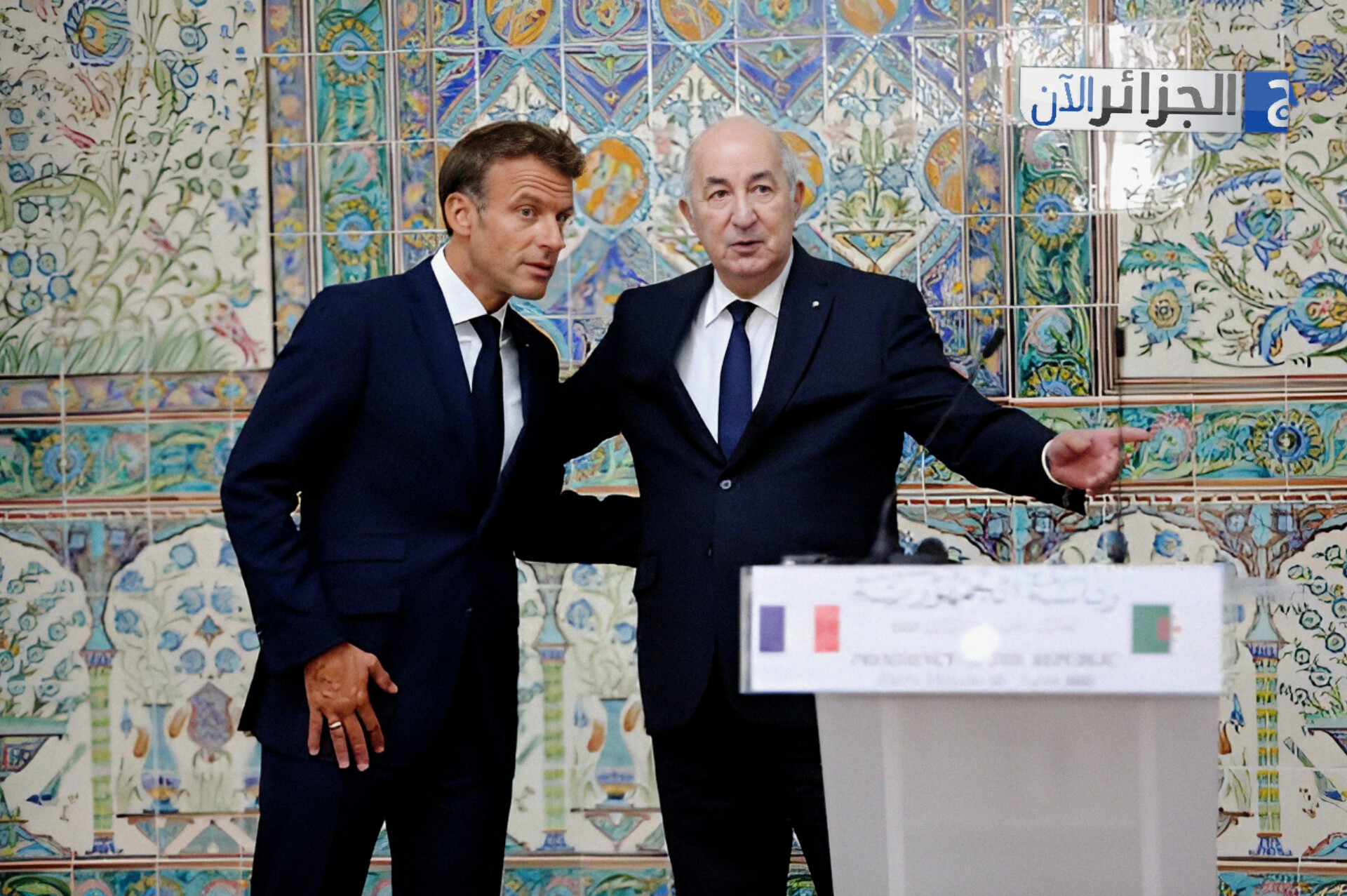
DZWatch Analysis: Recent reports attempting to portray Algeria as eager to re-engage with France are a blatant distortion of reality. A certain publication has suggested that Algeria is using intermediaries to initiate dialogue with Paris, driven by a supposed desire to alleviate its isolation on the European stage. This narrative deliberately ignores well-documented facts that paint a different picture.
The truth is, France has been actively seeking an opportunity to meet with President Tebboune. Algeria, maintaining a position of strength and dignity, has been carefully considering its options.
The Facts Speak Volumes: On November 18, 2025, in Berlin, President Macron publicly stated his availability to meet with President Tebboune on the sidelines of the G20 summit in Johannesburg, South Africa. Macron expressed his readiness for “high-level discussions” with his Algerian counterpart, emphasizing his desire for a “serious, calm, and demanding dialogue.” This public declaration was not a casual remark but a proactive step by the French side to signal its keen interest in reopening channels of communication with Algeria.
Therefore, the question arises: who is seeking whom? Who publicly declared their willingness to meet, and who maintained their silence, waiting from a position of power?
French Media Fuelled Speculation: French media outlets, closely aligned with the Élysée Palace and the Quai d’Orsay, launched an extensive media campaign, publishing numerous reports, analyses, and speculations about an “imminent,” “possible,” and “anticipated” summit between the two presidents on the sidelines of the G20 summit. Le Journal du Dimanche went so far as to publish a report titled “JDD Information: Emmanuel Macron will meet Abdelmadjid Tebboune this weekend,” framing the meeting as a step towards “normalizing relations” between the two countries.
This media frenzy further underscores the French desire for engagement, contrasting sharply with the narrative of Algerian desperation being pushed by some outlets. Algeria’s approach has been measured and strategic, prioritizing its national interests and maintaining its sovereign stance in the relationship.