Syria’s Economy: One Year After Assad’s Fall
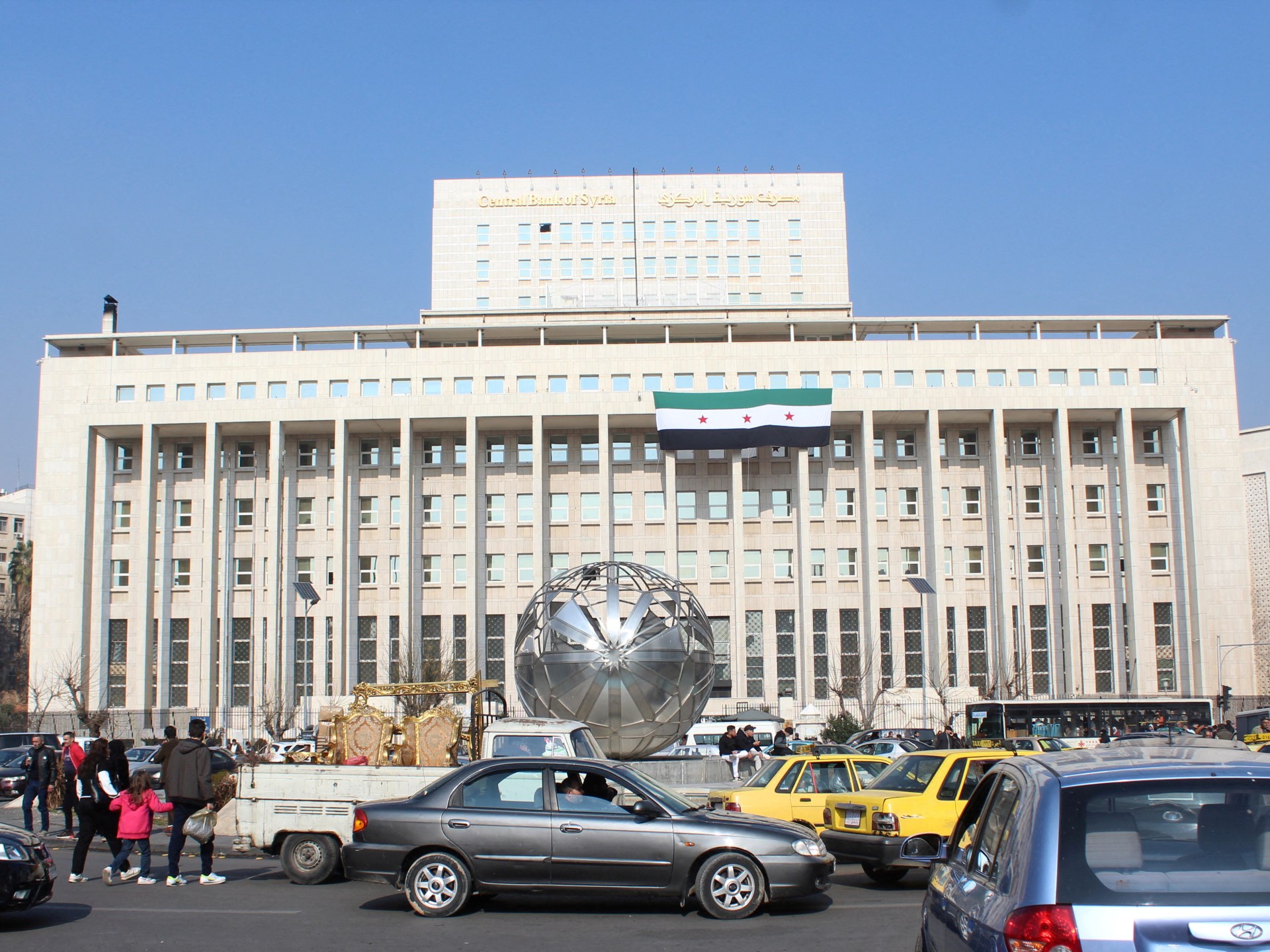
One year after the fall of Bashar al-Assad’s regime, Syria’s economy is showing mixed signals, with initial positive indicators alongside deep-seated structural challenges. The Syrian domestic market is reportedly brimming with investment and development opportunities.
According to statements, many business leaders who left the country during the war are expected to return with valuable experience to contribute to reconstruction efforts and stimulate economic growth. The government has been actively implementing measures aimed at lifting international sanctions and rebuilding the legislative and investment environment. These efforts are designed to attract capital, improve trade, and enable the private sector to resume operations.
Damascus has reportedly succeeded in lifting a significant portion of the sanctions previously imposed. It has also resumed relations with international financial institutions, including the International Monetary Fund and the World Bank. The country recently rejoined the SWIFT system, which will facilitate financial connections with banks worldwide. The US president pledged to make every effort to help Syria succeed, following discussions with the Syrian President in Washington.
Syria requires transactions with international financial institutions to introduce substantial funds for reconstruction and stimulate the economy, which has been devastated by war. However, reforming the banking sector faces significant challenges, primarily the lack of accurate official data on GDP, inflation, and the balance of payments. This poses a fundamental obstacle to developing effective economic and financial plans, limiting banks’ ability to assess risks and manage their operations.
Despite these challenges, economists anticipate that the gradual lifting of Western and US restrictions will improve financial operations, revitalize the banking sector, and enhance the flow of foreign liquidity, paving the way for a return to economic activity.