Khartoum Exhumations: Relocating Remains After Conflict
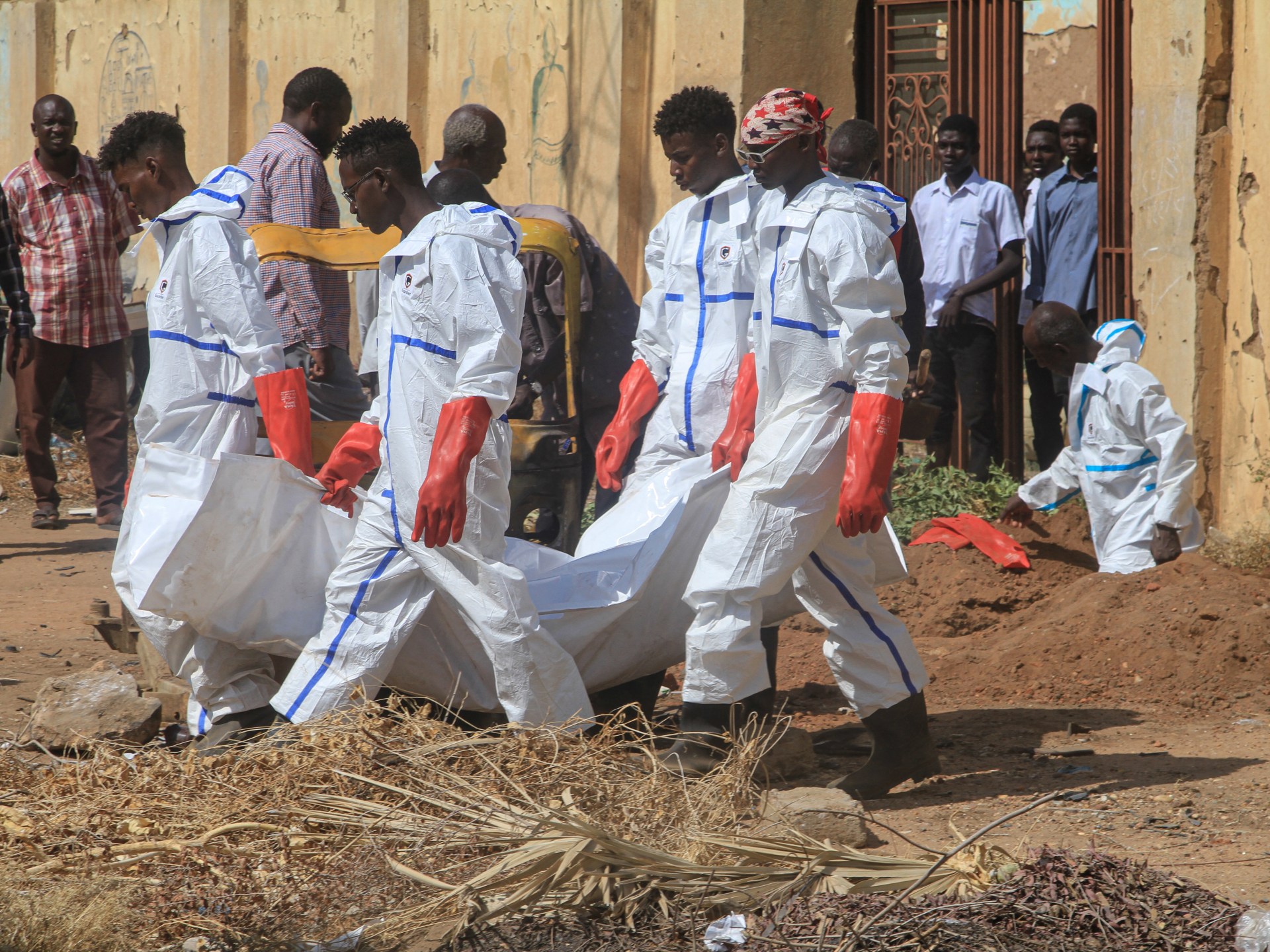
Khartoum – The aftermath of the conflict in Khartoum state continues to impact residents, as authorities undertake the sensitive task of exhuming and relocating remains from makeshift burial sites. During the height of the fighting, access to established cemeteries was impossible, forcing families to bury loved ones in residential areas, schools, and public spaces.
Now, a government-led initiative is underway to transfer these remains to designated cemeteries, a process that, while necessary, is reopening wounds for many. Iman Abdel Azim, a resident of Bahri, recounted the pain of burying her brother in her backyard during the conflict, only to relive the loss as his remains are now being moved.
The Khartoum state government announced the campaign earlier this month, forming committees comprising representatives from forensic medicine, civil defense, the Sudanese Red Crescent, and local neighborhood groups. These committees are responsible for identifying, exhuming, and reburying the remains in a dignified and organized manner.
According to Abdel Rahman Ahmed Abdel Rahman, Executive Director of Bahri locality, the campaign aims to alleviate the psychological burden on families and improve the overall health and humanitarian situation in Khartoum. The initiative, overseen by the “High Committee for Collecting the Remains of Those Who Died During the Battle of Karama,” focuses on relocating remains from public squares and residential neighborhoods.
The relocation process involves several key stages: identifying emergency burial sites, notifying and involving families in every step, exhuming the remains under the supervision of forensic specialists, and reburying them in designated cemeteries with complete documentation.
Hisham Zein El Abidine, Director of the Forensic Medicine Authority in Khartoum State, emphasized the importance of proper handling and documentation throughout the process. The initiative is a complex and delicate undertaking, aiming to provide closure and respect for the deceased while navigating the ongoing challenges in the region. DZWatch continues to follow this developing story.