Trump Admin Eyes Regime Change in Europe, Report Claims
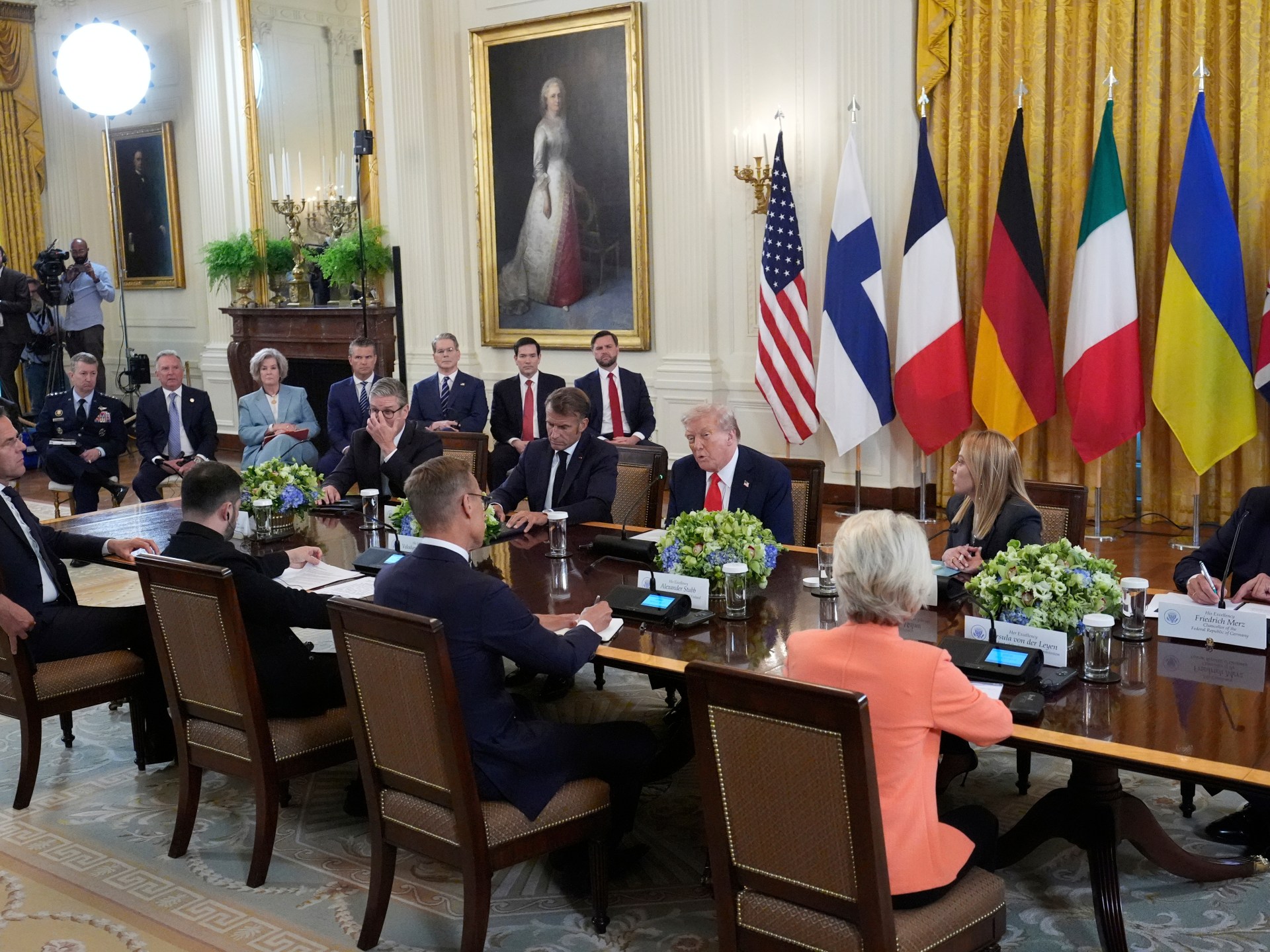
Washington, D.C. – A new report suggests the United States, under the leadership of President Donald Trump, is shifting its relationship with Europe from that of a hesitant partner to an active adversary, allegedly seeking to influence the continent’s political future, according to a recent analysis.
The report indicates that this alleged adversarial stance extends to actively pursuing regime change within Europe. This assertion is based on the new U.S. National Security Strategy, which reportedly expresses optimism about the rise of “nationalist parties” in Europe. The strategy purportedly outlines a commitment from the U.S. to assist Europe in “correcting its current course.”
The National Security Strategy reportedly levels sharp criticisms against Europe, claiming it is threatened by civilizational decline due to immigration, declining birth rates, and what it describes as the suppression of free speech.
The report further suggests this rhetoric, reflecting a cultural and racial perspective that Europe is losing its white, Christian identity, is not merely ideological language or media posturing. Instead, it allegedly represents a clear political plan whereby Washington intends to support far-right and ultra-conservative parties in major European countries like Germany, France, and the UK, and to weaken the European Union.
The analysis draws a connection between this alleged policy shift and Russian interests, arguing that undermining the EU has long been a strategic objective for Moscow. This alignment, it claims, explains Russia’s welcoming response to the new American policy, representing an unprecedented convergence between Washington and the Kremlin.
The report concludes by examining the reasons behind this alleged American hostility towards the European Union. It speculates that a portion of it stems from the EU’s ability to impose regulations that limit the influence of American companies and powerful figures, in addition to President Trump’s desire to engage with individual nations rather than a unified bloc.