Why Did Israel Target Hamas’ Alleged ‘Number Two’ Now?

A recent Israeli military operation in the Gaza Strip, targeting a high-ranking figure within the Islamic Resistance Movement (Hamas), has ignited a wave of questions surrounding its timing and its political and security implications. This action is particularly noteworthy as it occurred during a ceasefire agreement.
While the official statement from the Israeli army refrained from explicitly naming the targeted individual, Israeli media outlets widely circulated the name Raed Saad, portraying him as the ‘Number Two’ within the Al-Qassam Brigades, the military wing of Hamas, and the deputy to its overall commander.
According to sources, the Israeli military’s omission of Saad’s name likely reflects uncertainty regarding the outcome of the assassination attempt. Official statements are often delayed until intelligence confirms the operation’s success. The Israeli statement merely referred to targeting a ‘prominent leading figure’ in Hamas, who was allegedly working to rebuild military infrastructure directed against the Israeli army. This description aligns with reports attributed to security sources.
Simultaneously, Israeli media emphasized Raed Saad’s role, presenting him as a close aide to the late Al-Qassam commander, Mohammed Deif, and a key planner of the October 7, 2023, attack. This narrative serves to justify the assassination operation.
Statements from Israeli officials indicated the success of the operation. A joint statement from Prime Minister Benjamin Netanyahu and Defense Minister Yoav Gallant stated that they authorized the assassination of Raed Saad in response to the recent bombing targeting the Israeli army. The statement further alleged that Saad was an architect of the October 7th attack and was actively involved in reorganizing Hamas and planning future attacks.
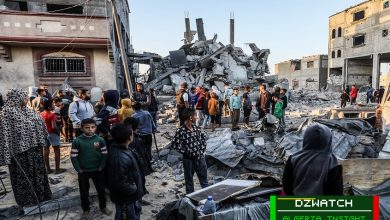
Medical sources in the Gaza Strip reported that five people were killed and over 25 injured, some critically, as a result of the Israeli strike on a civilian vehicle southwest of Gaza City.
The timing of this operation raises concerns, particularly in light of the existing ceasefire agreement, which has been repeatedly violated by Israel.
The assassination of a high-ranking Hamas figure could have serious consequences for regional stability.