Sudan War: Are Sanctions Enough to Stop the Violence?
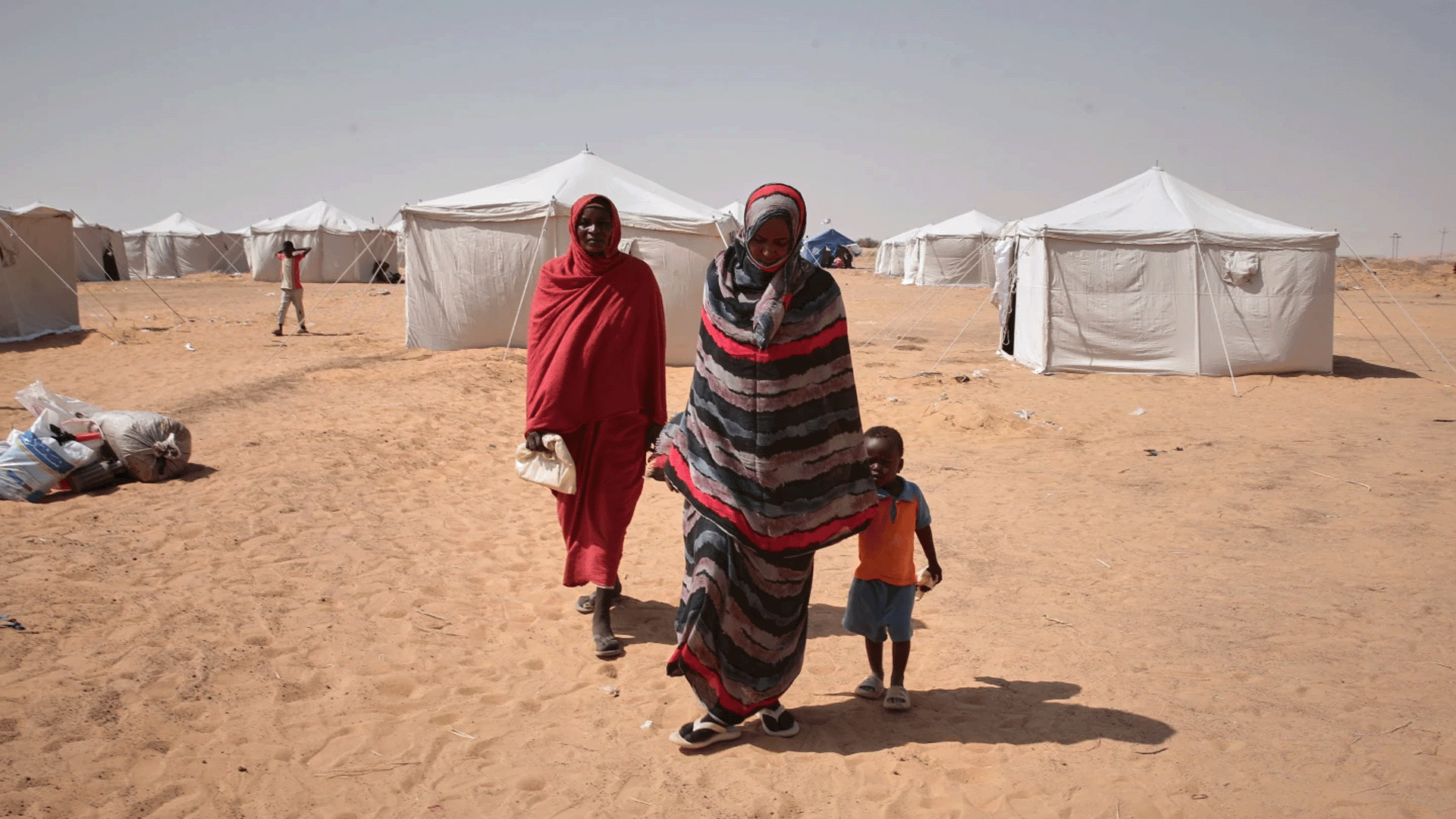
As widespread violations against civilians continue in Sudan, questions are being raised about the effectiveness of international sanctions in ending the ongoing conflict. Despite repeated measures imposed by Western nations and other international bodies, the war rages on, prompting scrutiny of the gaps that render these penalties insufficient.
The persistent abuses, particularly in Darfur and Kordofan, have drawn condemnation from both international and local organizations. The Rapid Support Forces (RSF) have been repeatedly accused of perpetrating these atrocities. Yet, the sanctions appear to have little deterrent effect on their actions.
DZWatch has learned that some analysts believe the sanctions are too narrowly targeted, failing to impact the key financial networks and supply chains that sustain the warring parties. Others argue that the lack of consistent enforcement and coordination among international actors undermines the sanctions’ overall impact.
“The current sanctions regime is like treating a symptom without addressing the underlying disease,” stated one expert familiar with the situation. “Unless there is a more comprehensive and coordinated approach, including measures to address the flow of arms and funding, the violence is likely to continue.”
The international community faces a growing challenge: how to effectively pressure the warring factions to cease hostilities and engage in meaningful negotiations. The question remains whether further sanctions, or a fundamentally different strategy, are needed to bring lasting peace to Sudan.
DZWatch will continue to monitor the situation and provide updates as they become available.