Senegal Suspends Extraditions to France Amid Cooperation Dispute
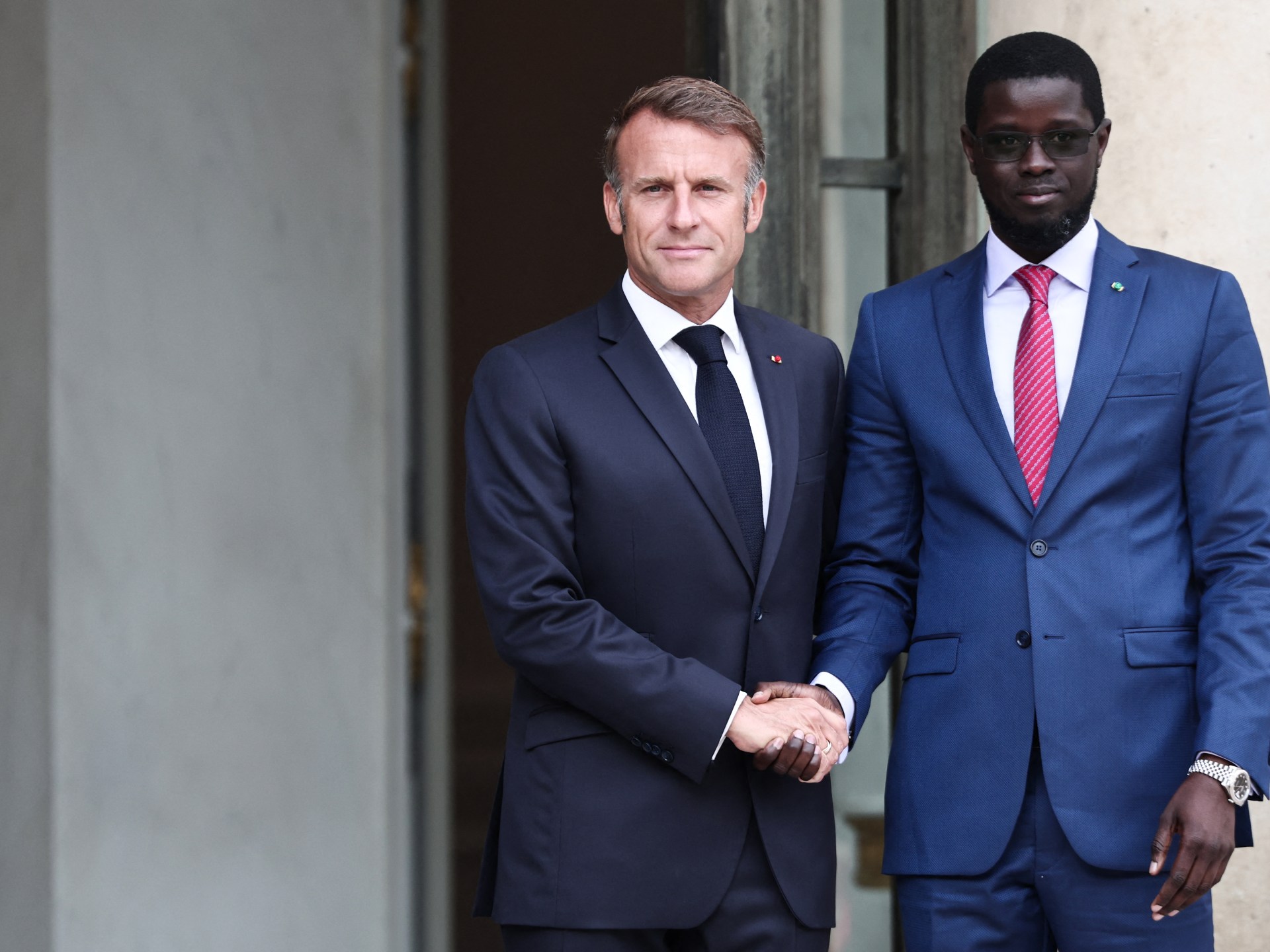
DAKAR – The Senegalese government has announced the suspension of all extradition proceedings to France, citing a lack of reciprocal cooperation from Paris. The decision, revealed by Justice Minister Yassine Fall before parliament, is based on the principle of reciprocity, highlighting a growing rift between the two nations.
Minister Fall stated that France is currently seeking the extradition of twelve individuals from Senegal, while simultaneously failing to respond to prior Senegalese extradition requests. This impasse has brought long-simmering tensions to the surface.
The immediate catalyst for this action appears to be the case of Senegalese journalist Madiambal Diagne, who fled to France last September after being summoned by police in connection with a financial investigation. French courts have delayed a decision on his extradition until February, requesting further information regarding Senegalese legal procedures and the justice system. Senegal views this delay as obstructionist.
The Justice Minister further emphasized that Senegal has provided thorough justification for the extradition of two other Senegalese nationals residing in France, yet these requests remain unfulfilled. Dakar believes Paris is dragging its feet.
The suspension has triggered varied reactions. Diagne’s defense team has denounced the move as “diplomatic blackmail,” suggesting that Senegalese authorities are pressuring France due to their inability to provide the necessary documentation. The lawyers contend that French courts have granted Senegal until January 23, 2026, to submit the required legal elements, asserting that the court currently lacks sufficient evidence to make a decision.
Beyond the Diagne case, Senegal seeks the extradition of a businessman accused of financial irregularities. The situation was further complicated by the brief detention of two Senegalese journalists in October after they interviewed Diagne in France.
This decision risks further straining relations between Dakar and Paris, particularly amid a backdrop of rapid political shifts and declining French influence in West Africa. Some observers see this as a sign of things to come.