Zambian Parliament Passes Contentious Constitutional Amendments
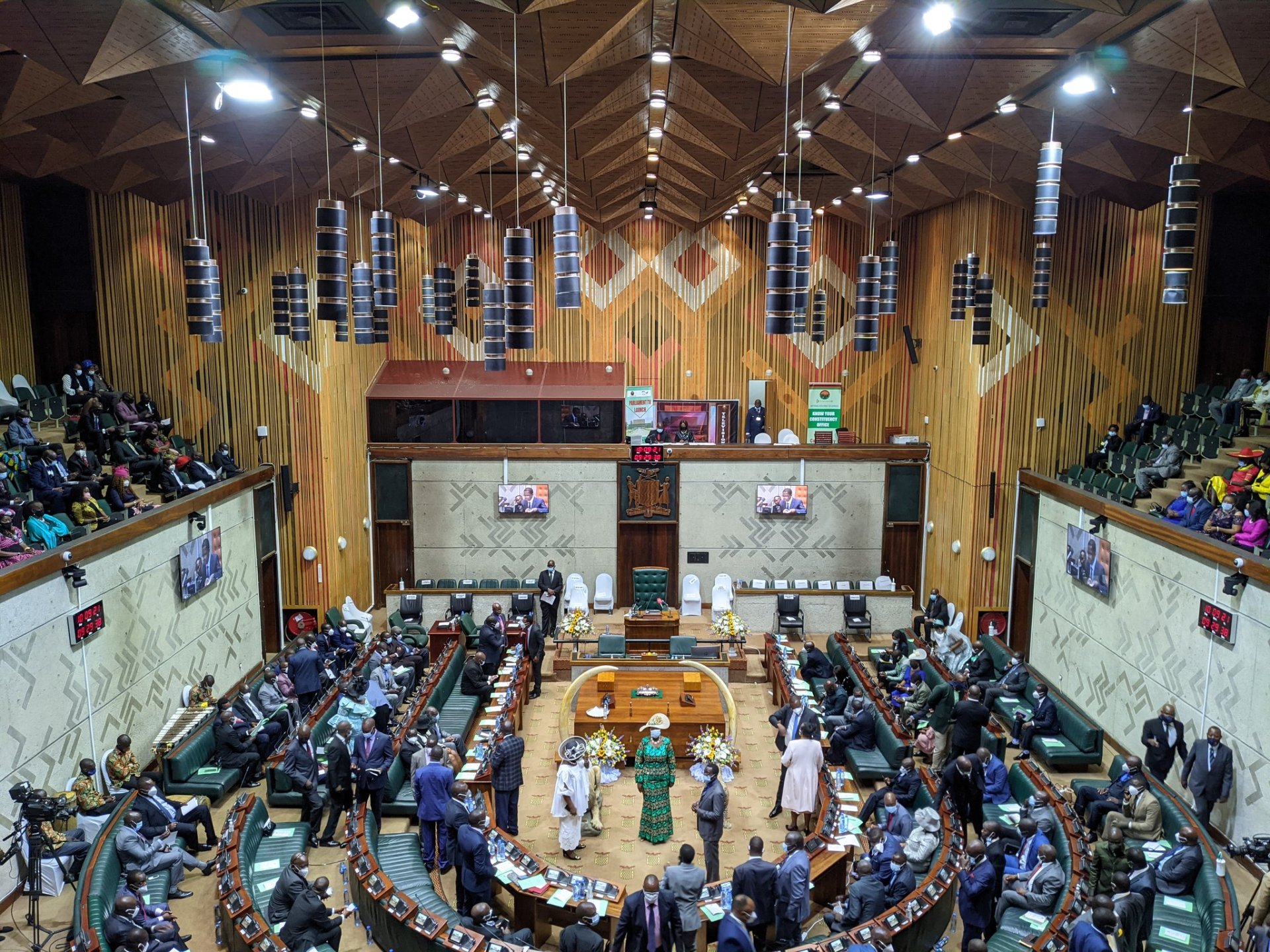
The Zambian Parliament has overwhelmingly approved a bill amending several articles of the constitution related to elections. The move has ignited widespread debate between the government and the opposition, amid concerns that the changes will favor President Hakainde Hichilema and his ruling United Party for National Development (UPND) in the upcoming August 2026 elections.
While the government describes the law as a “covenant with the Zambian people to promote justice,” the political opposition, civil society groups, and churches argue that the amendments were rushed through and aim to consolidate the president and his party’s power.
A significant majority of 131 parliamentarians voted in favor of the law, with only two dissenting votes, reflecting the deep divisions within the political landscape. The amendments include an increase in the number of elected parliamentary seats, which the government claims will broaden popular representation. The law also allocates 40 seats to women, youth, and people with disabilities, in an effort to integrate marginalized groups into the political process.
One of the most controversial aspects of the amendments is the removal of the two-term limit for mayors, which opponents see as a gateway to consolidating local influence. However, Justice Minister Princess Kasune maintains that these steps enhance fair representation and open the door to broader participation in political life.
Political tensions have been escalating in the country, which has a population of approximately 22 million. A recent dispute over the funeral arrangements for former President Edgar Lungu, leader of the Patriotic Front party, who died in June in South Africa, exemplifies this. His family refused to return his body to Zambia, protesting President Hichilema’s desire to lead the funeral ceremonies, viewing it as political interference in a family event. This crisis highlighted the deep divide between the government and the opposition, casting a shadow over the overall political scene.
President Hichilema, who is preparing to run for his second and final term under the constitution, acknowledged that the law “tested the unity of the nation,” but emphasized the outcome of the parliamentary vote.
DZWatch will continue to monitor developments in Zambia and provide updates as they unfold.