
Key Cities in Kordofan Shape Sudan Conflict
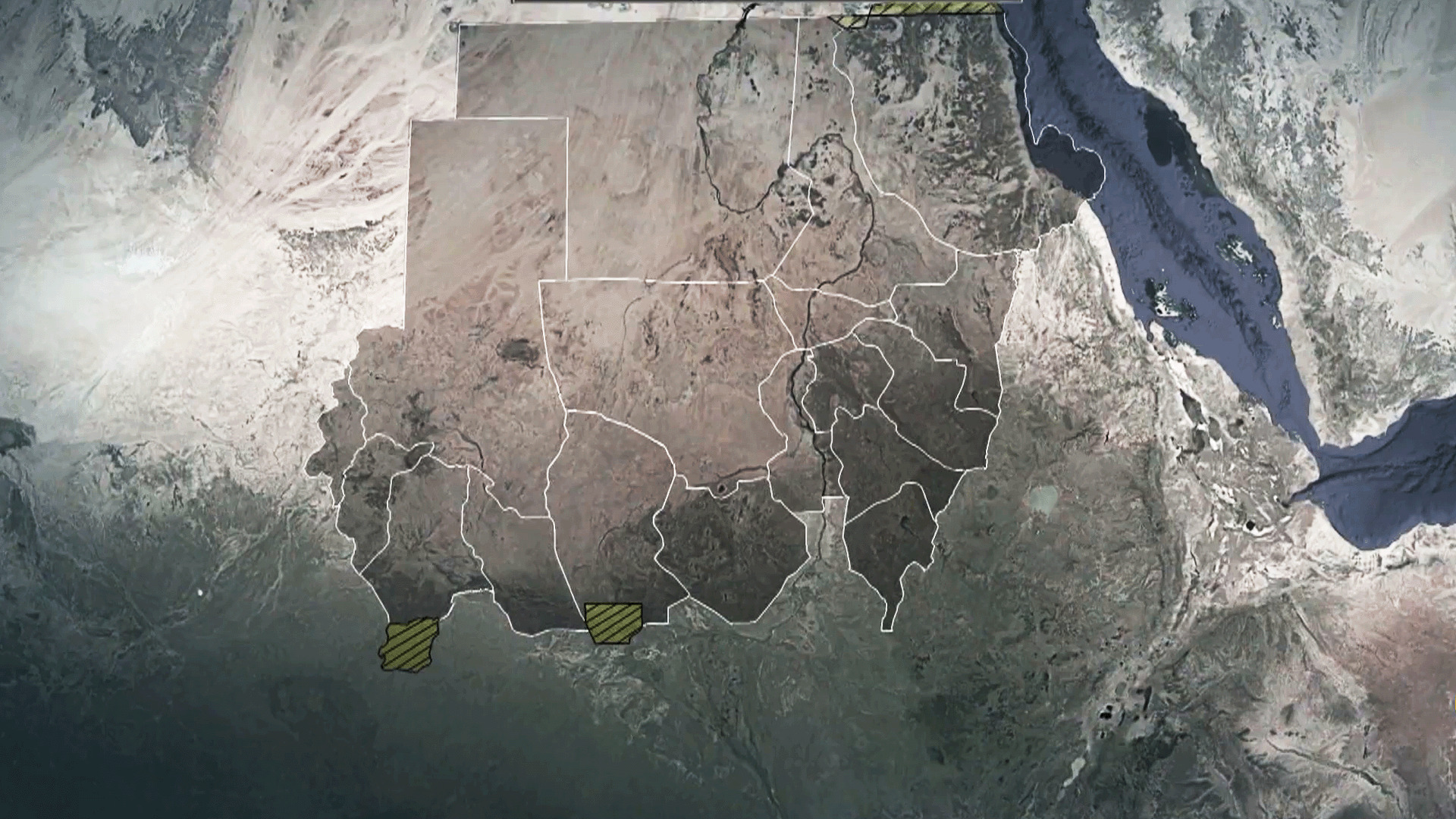
As the conflict in Sudan intensifies, strategic regions are emerging as potential game-changers, possibly reshaping the country’s war landscape. Amidst the ongoing struggle between the Sudanese Armed Forces (SAF) and the Rapid Support Forces (RSF), attention is increasingly focused on the Kordofan region, where key cities under SAF control face mounting pressure.
Kordofan, strategically positioned between Darfur in the west and central and eastern Sudan, has become a focal point in 2025. The region’s geographical importance lies in its role as a vital link connecting different parts of the country. Its network of transportation routes and valuable resources make control over even a single city a gateway to influencing others.
Maps reveal overlapping spheres of influence across Kordofan’s three states, marked by reciprocal movements between the warring parties. The battle has shifted from the peripheries to strategic hubs that could determine the direction of expansion or retreat. In South Kordofan, Heglig stands out as a particularly sensitive location.
Located near the border with South Sudan, Heglig is a crucial center for oil processing, operation, and export. It is connected to Port Sudan on the Red Sea by a pipeline, granting the city significant economic and strategic weight. Control of Heglig could significantly influence the balance of power in the war and serve as a potential bargaining chip in future negotiations.
In North Kordofan, the city of Al-Ubayyid faces increasing pressure. As the state capital, Al-Ubayyid is a vital crossroads connecting western and central Sudan. It also plays a pivotal role in humanitarian efforts, serving as a transit point for areas receiving thousands of displaced persons. For the SAF, maintaining control of Al-Ubayyid prevents the RSF from expanding eastward. Conversely, RSF control would open a wider corridor towards Khartoum.
Southeast of Al-Ubayyid, Um Rawaba represents another point of pressure on the conflict map. The city is a crucial supply line for Al-Ubayyid, connecting North Kordofan to the White Nile State and central Sudan. Any disruption in Um Rawaba could pave the way for RSF advances or isolate Al-Ubayyid from its logistical support.
The situation in Kordofan is rapidly evolving, and the outcome of battles for these key cities will likely determine the future trajectory of the Sudanese conflict.