
Colombia’s Cocaine Production Reaches Record Highs
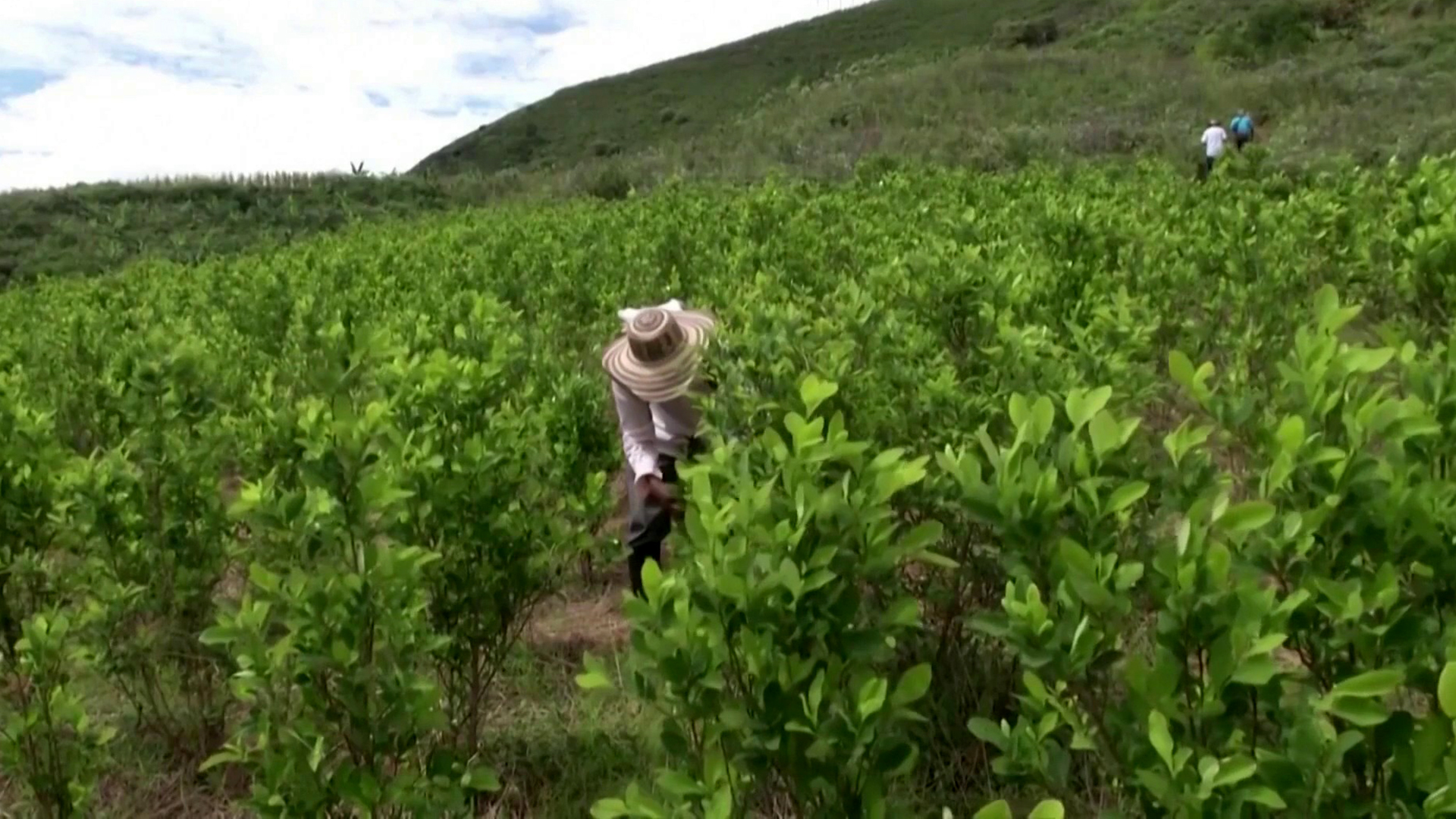
Cocaine production in Colombia has reached unprecedented levels, despite ongoing efforts by authorities to combat the illegal trade. Security forces are reportedly dismantling drug labs at an impressive rate, yet the flow of cocaine shows no signs of slowing down. This resilience is attributed to the country’s challenging geography, intricate economic factors, and porous borders that provide safe haven for criminal organizations.
Drug cartels exploit vast swathes of forests and rugged terrain to expand their influence and evade state control. The complex terrain and limited state presence allow these groups to operate with relative impunity.
Colonel Leopardo Ojeda confirmed that police in Cucuta have destroyed numerous laboratories used for processing cocaine hydrochloride. In the same week, authorities seized 11 kilograms of cocaine believed to be destined for Venezuela. Colombia is attempting to curb the trade, especially in light of past threats by former U.S. President Donald Trump, who suggested military intervention if Colombia failed to halt drug exports to the United States.
President Gustavo Petro has invited his U.S. counterpart to visit Colombia and witness firsthand the government’s efforts to prevent cocaine from reaching American shores. However, some observers believe these efforts are insufficient. Colombian journalist Cristian Herrera, an expert on the drug trade, argues that current strategies fail to provide viable alternatives for farmers and address the underlying social roots of the cocaine economy.
Herrera points out that the government offers farmers between $400 and $450 per month to eradicate their coca crops, an amount insufficient to sustain a livelihood. This inadequacy pushes many farmers to reject the offer and continue cultivating coca. According to reports from the United Nations Office on Drugs and Crime, the area under coca cultivation in Colombia reached 253,000 hectares in 2023, producing approximately 2,600 tons of cocaine out of a global total of 3,708 tons. This cultivation is concentrated in the regions of Marino, Coca, Putumayo, and Norte de Santander, particularly in the Catatumbo area, where cross-border trafficking networks benefit from the weak state presence.