Somaliland: Unpacking its Origins and Strained Ties with Somalia
The recent official recognition of the “Republic of Somaliland” by Israel has thrust this region, strategically located in the Horn of Africa, back into the international spotlight. Somaliland’s historical roots and its complex relationship with Somalia are crucial to understanding its current status.
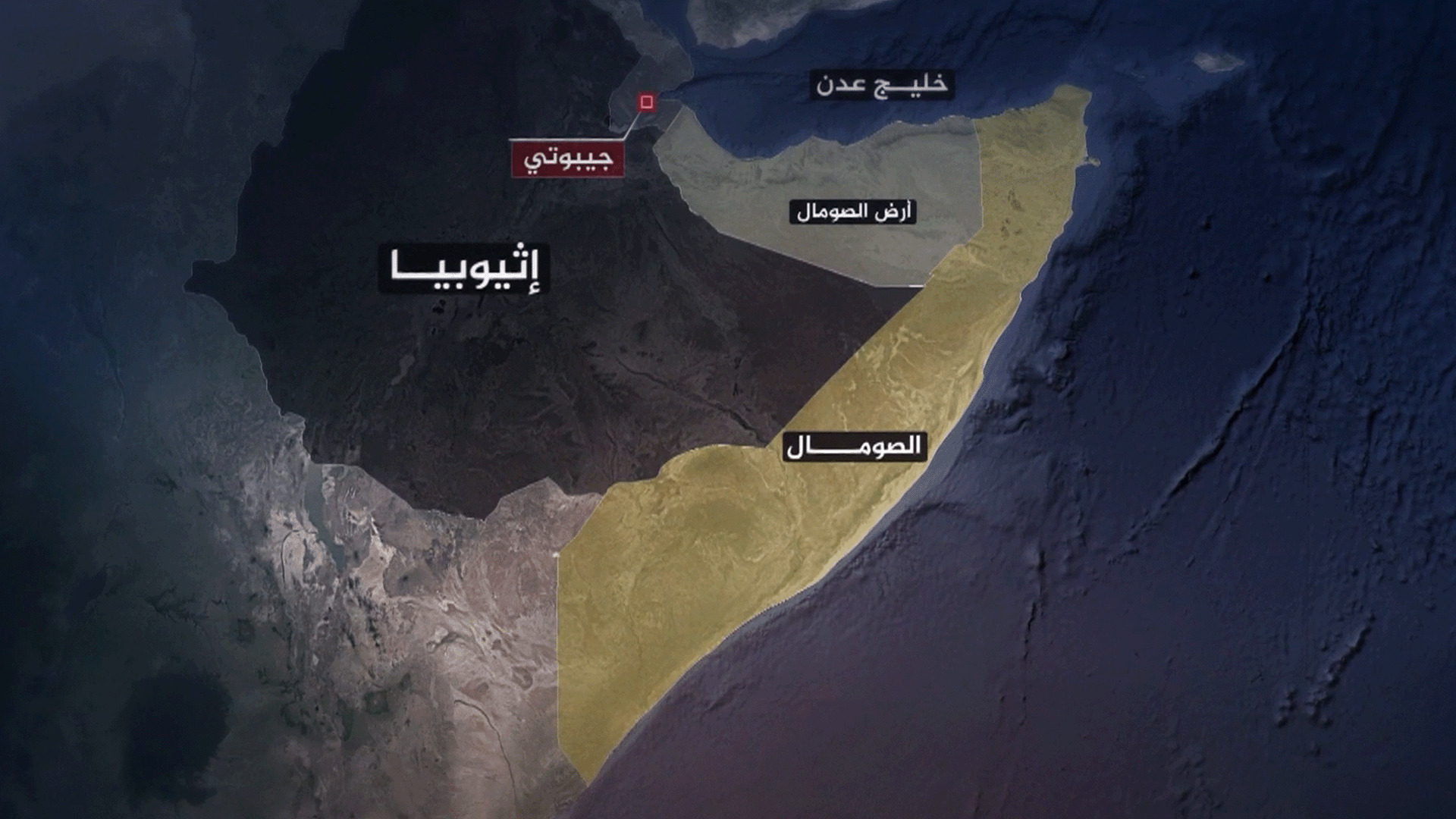
Often described as the gateway to Bab el-Mandeb, Somaliland is geographically situated in the Horn of Africa, bordering the Gulf of Aden. It shares borders with Djibouti to the north and Ethiopia to the south. Its territory spans approximately 177,000 square kilometers and is home to an estimated 6 million people, predominantly Sunni Muslims belonging to various ethnic groups, most notably the Isaaq, Darood, and Samaroon.
Hargeisa, Somaliland’s historical capital, owes much of its importance to the port of Berbera. This vital economic artery serves as the largest port on the Gulf of Aden and a crucial import hub for Ethiopia.
Historically, Italy colonized Somalia in 1887, while Britain colonized Somaliland the following year. Britain’s motives were primarily to prevent France from gaining a foothold in Bab el-Mandeb and to protect its bases in Aden. Somaliland achieved independence on June 26, 1960, and was recognized by over 30 countries, including Israel. However, this recognition was short-lived, as Somaliland united with the southern part of Somalia, which gained independence just four days later.
The rise of the military to power in the late 1960s exacerbated tensions due to what opponents described as repressive policies. Armed movements emerged, including the Somali National Movement (SNM), which, under the leadership of Abdurahman Ahmed Ali Tuur, unilaterally declared independence on May 18, 1991, following the collapse of Mohamed Siad Barre’s regime.
Unrecognized Independence
Since 1991, Somaliland has remained internationally unrecognized. On December 26, 2025, Israel officially announced its recognition of the “Republic of Somaliland.”
A History of Stability
Experts on African affairs note that successive administrations in Somaliland have achieved relative stability and peaceful transitions of power. Six presidents have governed the region since the 1990s.