US-Ukraine Alliance Fractures: Key Factors Behind the Rift
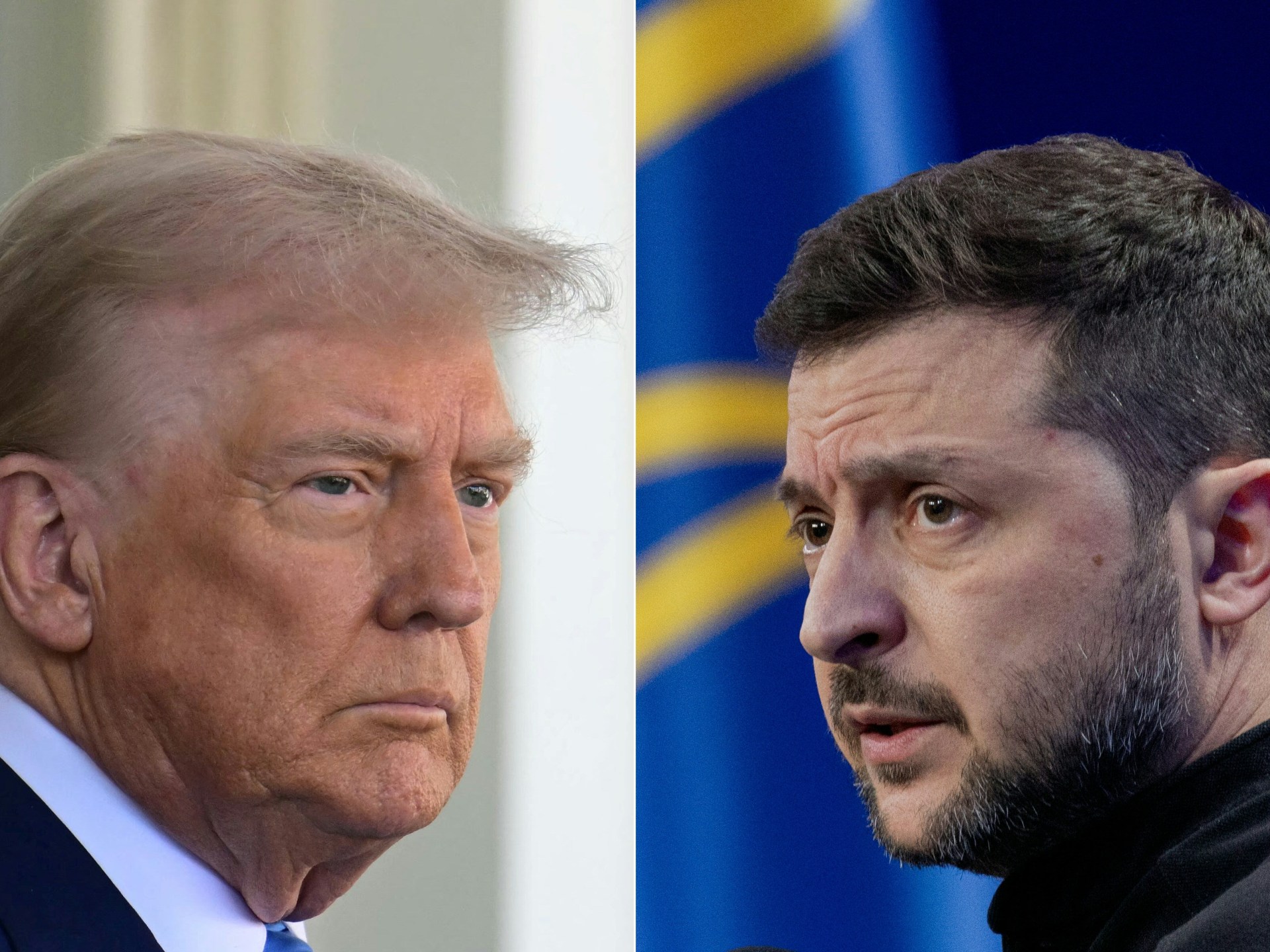
Washington D.C. – President Donald Trump’s repeated promises to swiftly end the Russia-Ukraine war, a cornerstone of his campaign, have met with significant challenges, evolving into a complex negotiation marred by internal conflicts and limited progress. A new analysis highlights the key factors contributing to the growing divide between the United States and Ukraine.
The report identifies several critical points that shed light on the tumultuous negotiation process and the decisions made by the Trump administration, impacting the situation on the ground.
One crucial element was the denial of a ‘secret cover’ request. Trump’s former National Security Advisor, Michael Waltz, sought formal authorization from the outgoing Biden administration to initiate negotiations with Russia during the transition period. This request aimed to avoid accusations of collusion, reminiscent of Trump’s first term. However, President Biden reportedly denied the request, fearing potential concessions detrimental to Ukraine, prompting the Trump team to explore alternative channels.
Following the denial, a secret back channel was established with Russia. Trump reportedly enlisted his personal friend and Middle East envoy, Steve Witkoff, to facilitate arrangements with Russia during the transition. Saudi mediation led to a covert communication line between Witkoff and Kirill Dmitriev, the CEO of Russia’s sovereign wealth fund.
Simultaneously, Keith Kellogg was appointed as the official envoy to Ukraine. However, his pro-Kyiv stance faced internal opposition from within Trump’s base, ultimately leading to his marginalization in the negotiations in favor of Witkoff.
Furthermore, efforts to undermine military support for Ukraine were reportedly underway. Vice President J.D. Vance, allegedly collaborated with a network of officials to foster a belief within the Pentagon that Ukraine was a ‘lost cause’ and should prioritize defense spending elsewhere.
These developments paint a picture of a fractured alliance and a shifting landscape in the ongoing conflict. The long-term implications of these decisions remain to be seen, but they undoubtedly contribute to the evolving dynamics between the US, Ukraine, and Russia.