Algeria Forges New Economic Doctrine for Diversified Growth
Algeria is establishing a new economic doctrine focused on diversifying its economy and moving away from its traditional reliance on the hydrocarbon sector. This shift aims to create a more resilient and robust national economy capable of generating wealth and employment across various sectors.
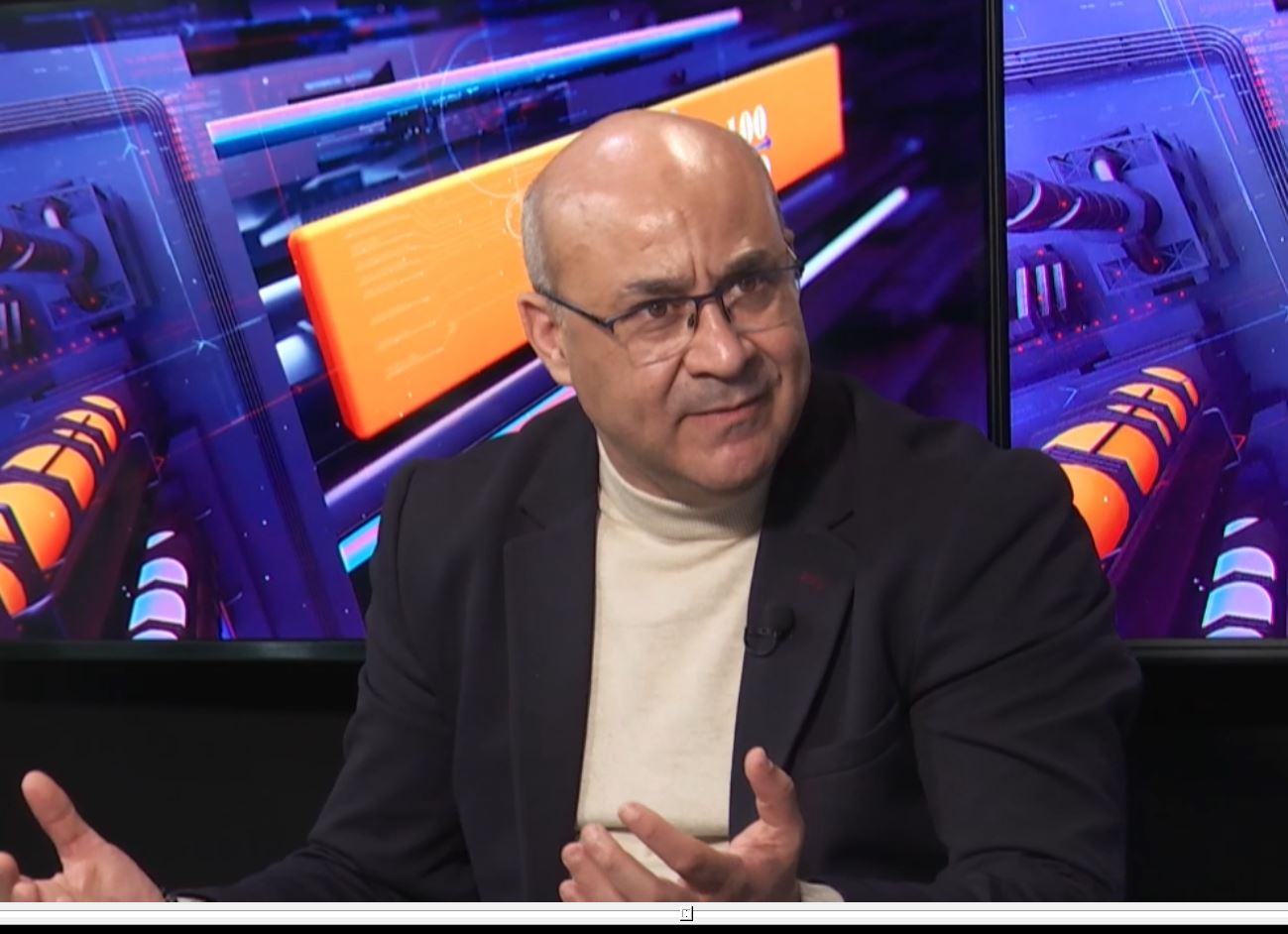
According to economic development expert Abdel Rahman Hadef, the new model prioritizes contributions from diverse economic sectors, fostering job creation and bolstering the economy’s overall stability. This new economic approach hinges on two key pillars: enhancing productive capacities and promoting foreign trade.
The government’s projected 4.1% growth rate for 2026 is largely driven by non-hydrocarbon sectors, exceeding a 4.5% growth rate. This signals significant progress in economic diversification, with non-oil sectors having a tangible impact on the national economy. Hadef emphasized the importance of citizens experiencing this economic transformation not only economically, but also socially.
Budget management and public finance governance are now top government priorities. The new public finance governance system aims to enhance transparency in public funds, improve financial discipline, and ensure efficient resource utilization. The goal is to maximize the social return on every invested dinar.
Increased focus is being placed on promoting Algerian industry and strengthening production capacities, particularly in the manufacturing sector and national products. There is observable activity and momentum across various industrial divisions, with a strong emphasis on integrating into the Fourth Industrial Revolution. The development of local industries is seen as crucial for long-term sustainable growth.