National Asset Digitization Accelerated with ‘Amlak’ System Rollout
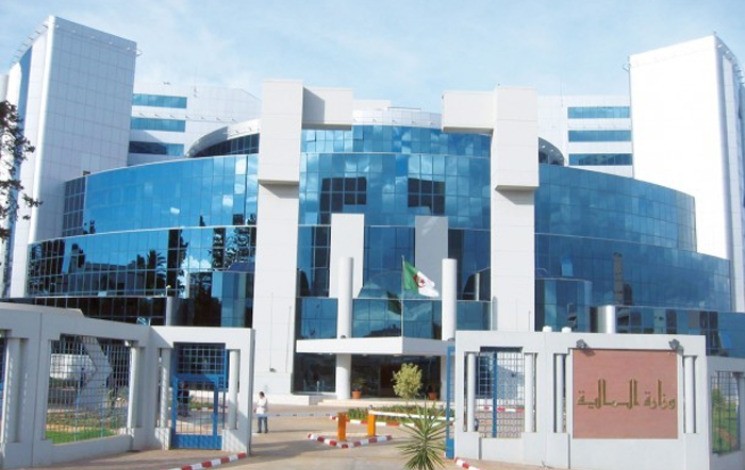
The Directorate General of National Assets has announced the nationwide implementation of the ‘Amlak’ information system across all land registry and state property directorates. This initiative paves the way for the introduction of the electronic land registry, marking a significant step towards modernizing property management in Algeria.
According to a statement released by the Directorate, ‘Amlak’ is a unified national information system integrating general surveying, land registration, and state property management. The system is built upon a centralized national database containing digital data related to these functions, ensuring seamless integration, accuracy, and efficient information exchange.
The ‘Amlak’ system boasts exceptional performance aligned with the highest governance standards. It provides a tracking feature for operations, ensuring compliance with regulatory texts and technical instructions. Furthermore, it offers clear and precise insights to decision-makers at various levels through accurate, comprehensive, and real-time Key Performance Indicators (KPIs), thereby enhancing control and resource management effectiveness.
Regarding public service improvement, ‘Amlak’ guarantees prompt response to services submitted to surveying and land registry counters. It aims to significantly reduce advertising deadlines and the delivery time of land registry documents, ultimately improving citizen service and accelerating real estate transactions.
The Directorate General emphasized that ‘Amlak’ is the central practical tool for issuing and updating the electronic land registry. Upon completion of the technical and organizational procedures for its official launch, the gradual replacement of paper land registry documents with electronic ones is anticipated. This represents a transformative shift in property management, providing faster, safer, and more reliable services.
The ‘Amlak’ system is the culmination of intensive efforts by officials and employees of the Directorate General of National Assets, particularly IT staff, under the supervision of a multidisciplinary steering committee. It was designed and developed in a record time of just one year, reflecting the sector’s digital maturity and institutional efficiency. This initiative complements ongoing modernization and development efforts within the sector, reflecting its accelerated digital transformation journey.