Iran Protests Spark Regional Instability Fears
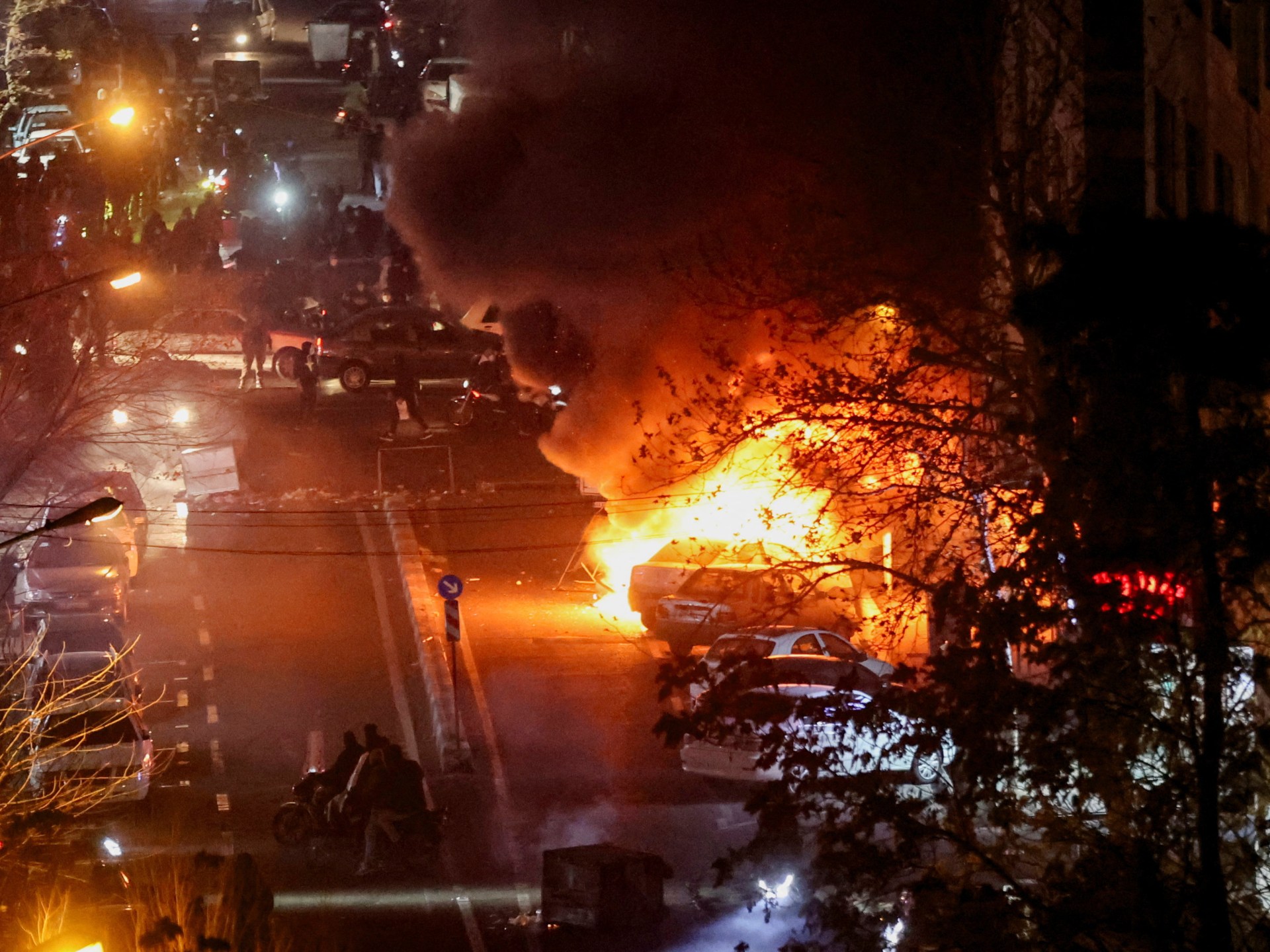
Ongoing protests within Iran are raising concerns about potential escalation and broader regional instability, analysts warn. The demonstrations, initially triggered by the sharp decline in the Iranian Rial’s value, have evolved into a wider expression of public discontent.
The possibility of external intervention, particularly from the United States, is fueling anxieties. Speculation is mounting regarding a potential shift in U.S. policy towards Iran, with some observers suggesting that the current administration might consider more assertive measures in response to the unrest.
Intelligence assessments indicate that Washington is actively considering various options for addressing the situation in Iran, including potential actions targeting the Iranian leadership, which faces increasing criticism for its handling of the protests. The Iranian government’s response to the demonstrations has drawn international condemnation.
Reports of heightened U.S. military activity in the Middle East are further contributing to the atmosphere of uncertainty. Increased deployments and the movement of offensive equipment have been interpreted as signs of a possible escalation.
However, some sources suggest that any military action would likely require initial moves by the United States. Concerns remain within the U.S. administration that large-scale strikes could backfire, potentially uniting Iranian public opinion behind the political leadership instead of weakening it. Officials are also wary of potential Iranian retaliatory measures, including attacks on U.S. military bases or diplomatic missions in the region.
Alternative, less escalatory options are being considered, such as psychological pressure tactics, including deploying aircraft carriers, or conducting cyberattacks and information campaigns against Tehran. The situation remains fluid, with a final decision on the U.S. approach still pending. Some officials believe that extensive intervention could undermine the momentum of the protest movement within Iran.