
Future of Phone Batteries: 5 Tech Innovations to Watch
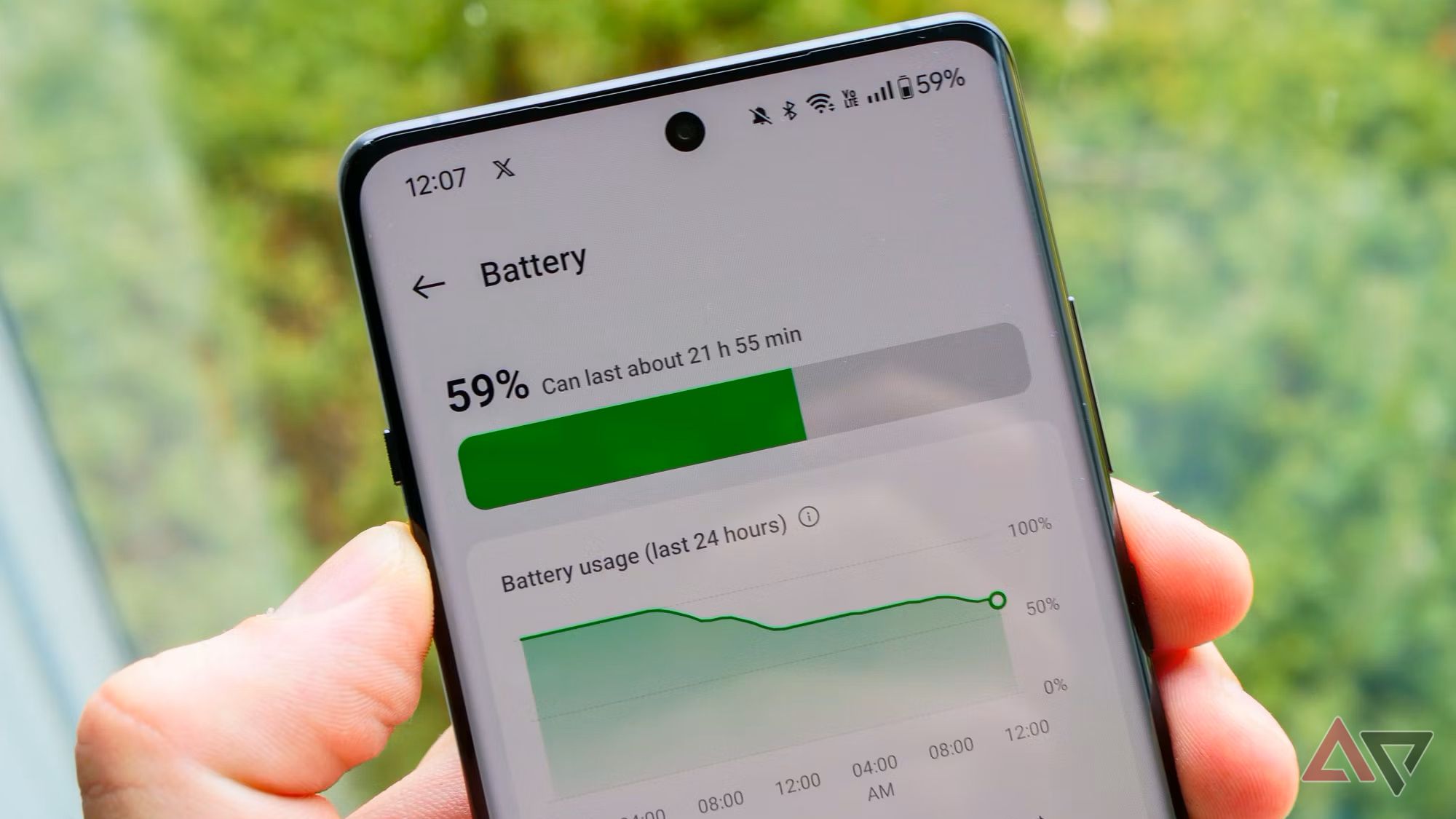
While smartphone components have seen rapid advancements in recent years, battery technology has lagged behind. Companies have focused on faster processors, better cameras, and quicker charging speeds, but fundamental battery technology has remained largely unchanged. This is partly due to past safety concerns, such as the infamous Galaxy Note 7 battery explosions. However, the landscape is poised for significant change.
Several innovative battery technologies are emerging, promising increased capacity and improved performance to meet the demands of modern smartphones.
1. Solid-State Batteries (SSBs): SSBs are gaining traction. Companies are developing semi-solid-state batteries that offer safer energy storage, minimizing the risk of explosions. These batteries use solid or gel electrolytes instead of liquids, increasing energy density without significantly increasing physical size. They also boast longer lifespans, potentially lasting up to 1000 charge cycles before experiencing significant degradation.
2. ‘Toothpaste’ Batteries: Researchers have developed batteries with a malleable, toothpaste-like consistency. This allows for flexible designs and could be particularly useful in foldable phones or devices with unconventional form factors. This technology offers greater flexibility in internal component placement, although it is still in its early stages of development.
3. Apple’s In-House Battery Development: Apple has been quietly developing its own battery technology since 2023. While the specific details remain under wraps, Apple’s development cycles are known for their thoroughness, suggesting a focus on stability and reliability. Currently, Apple continues to use batteries with up to 5000mAh capacity.
4. Structural Batteries: Structural batteries, already used in electric vehicles, integrate the battery directly into the device’s chassis rather than as a separate component. This approach enables ultra-thin phone designs without compromising battery capacity. However, implementing this in mobile phones presents considerable engineering challenges.
These advancements represent a significant step towards addressing the limitations of current battery technology. The future of smartphones hinges on innovation in this critical area, and these emerging technologies promise to revolutionize how we power our mobile devices.