Europe’s Leaders Stand Firm on Greenland as Trump Scorns ‘Davos Divorce’
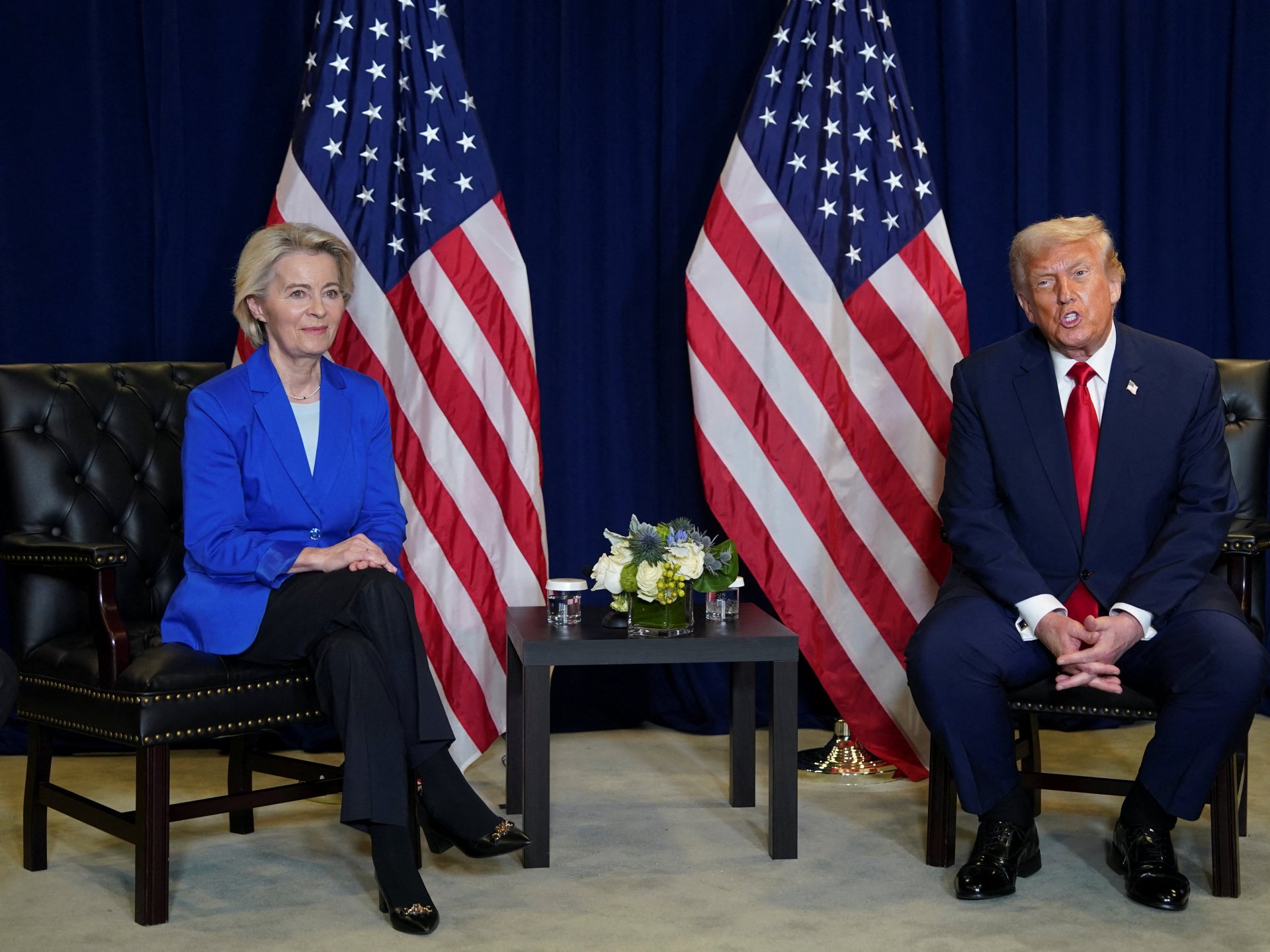
A sense of crisis permeated discussions at Davos this week, as several key European leaders signaled a potential shift away from the traditional U.S.-led global order. The catalyst for this apparent fracture? Disagreements surrounding Greenland and the future of Ukraine, compounded by what many perceive as President Trump’s dismissive attitude towards long-standing allies.
European Commission President Ursula von der Leyen voiced growing frustration, advocating for a more ‘permanent’ independence from the United States. She warned that passively waiting for a change in administration would only exacerbate Europe’s vulnerabilities. Her sentiment reflects a broader unease among European officials regarding Washington’s approach to international relations.
The dispute over Greenland, in particular, appears to have pushed tensions to a boiling point. President Trump’s reported interest in acquiring the Danish territory has been met with stiff resistance and sparked concerns about the future of transatlantic cooperation. One former U.S. official with close ties to European leaders told Axios that Trump’s actions regarding Greenland had ‘crossed a red line for the Europeans for the first time,’ adding that they believe this may be their last chance to push back.
Belgian Prime Minister Bart De Wever echoed this sentiment, stating, ‘There’s a big difference between being a happy follower and being a miserable slave. If you step back now, you lose your dignity.’ His remarks highlight the growing resolve among some European nations to assert their own interests and resist perceived pressure from the United States.
The European Union is reportedly considering retaliatory tariffs totaling $109 billion. French President Emmanuel Macron has stated that the EU ‘should not hesitate’ to use its ‘anti-coercion instrument,’ a powerful trade mechanism originally designed to counter economic pressure from China. Macron’s early departure from Davos, coupled with Danish Prime Minister Mette Frederiksen’s decision to skip the forum altogether, underscores the depth of the current diplomatic rift. The situation remains fluid, with financial markets closely monitoring developments for potential economic repercussions.
DZWatch will continue to provide updates on this developing story.