Algeria: Europe’s Second Largest Gas Supplier After Norway in 2025
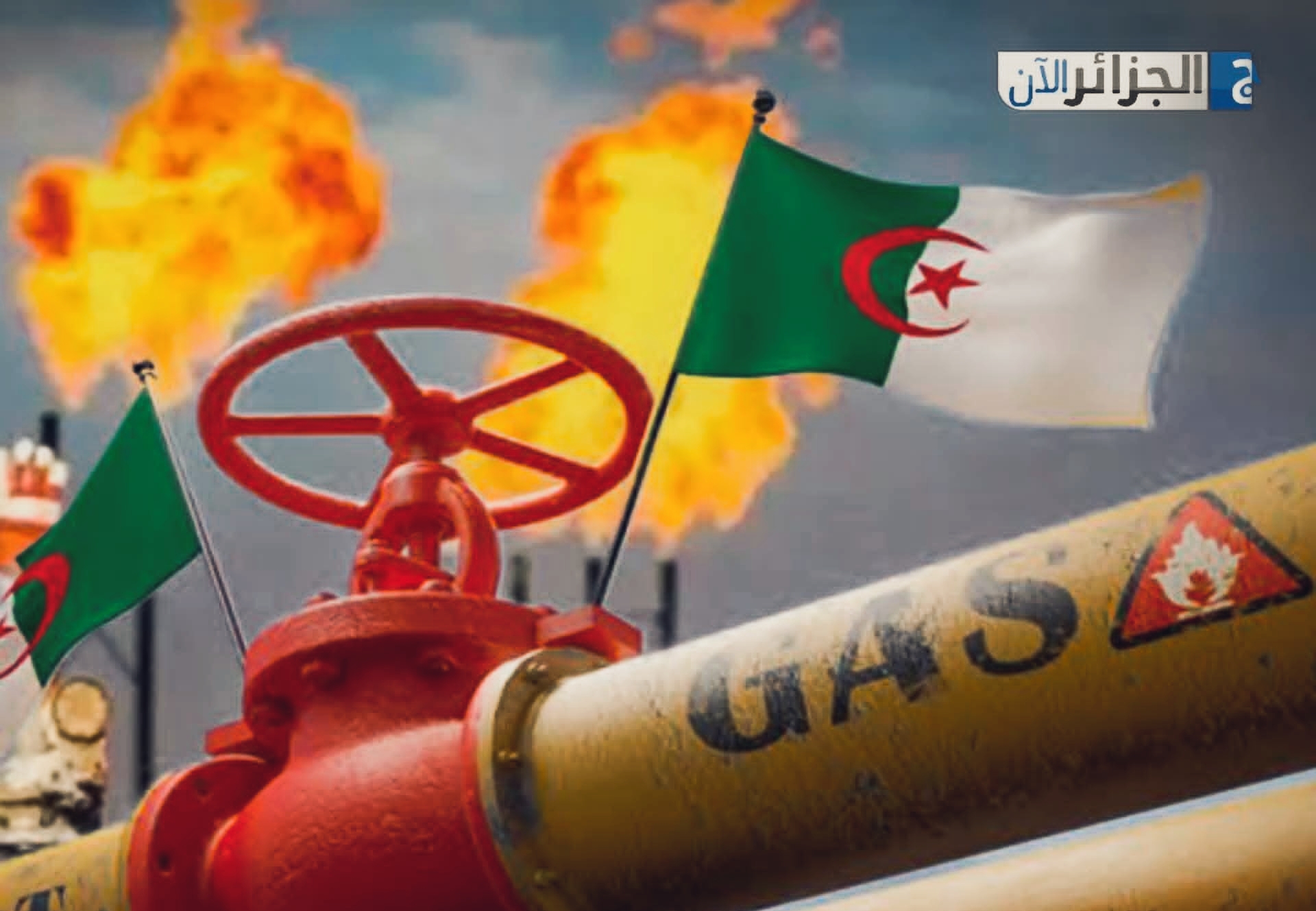
Algeria has solidified its position as a key energy provider to Europe, emerging as the second-largest supplier of natural gas via pipelines in 2025, trailing only Norway. This development underscores Algeria’s strategic importance in maintaining the energy balance of the European market, particularly amid fluctuating supply dynamics.
According to recent data, the European Union’s gas imports via pipelines reached a five-year low in 2025, experiencing a 10% year-on-year decrease, totaling 142 billion cubic meters (bcm) compared to 157 bcm in 2024. Despite this overall decline, Algeria maintained a significant share, accounting for approximately 20% of the total gas supplied to the EU through pipelines.
While Norway retained its position as the leading gas supplier to Europe, Algeria’s consistent performance highlights its reliability as a crucial energy partner. Russia also maintained a presence in the market, albeit with a reduced share following the expiration of the gas transit agreement through Ukraine at the end of 2024.
In December 2025, EU pipeline gas imports amounted to approximately 12 bcm, representing a slight decrease of 0.5% compared to November 2025 and a more significant 12% drop compared to December 2024. Despite the overall decline from major suppliers, Algeria experienced a marginal 1% increase in shipments to Spain, while shipments to Italy saw a 5% decrease.
Germany emerged as the largest entry point for pipeline gas into Europe, accounting for 23% of total regional flows, followed by Spain and Italy. Poland recorded the largest annual increase in gas inflows at 23%, while Bulgaria saw an 8% increase. Belgium surpassed France to become the fourth-largest entry point, each accounting for 10% of total flows.
While supplies from Azerbaijan and Libya decreased by 4% and 32% respectively, imports from Russia via the TurkStream pipeline increased by 8%. Concurrently, re-gasified LNG flows from the United Kingdom increased by 14% to reach 6.9 bcm. Overall, LNG imports into Europe rose by 24% to reach 125.3 million tons (170 bcm) compared to 101.28 million tons (138 bcm) in 2024, driven by lower storage levels prior to the heating season and increased electricity demand.
Algeria’s stable contribution to European gas supplies remains a vital factor in ensuring the equilibrium of the European energy market, particularly in the context of declining imports from other sources. This reinforces Algeria’s pivotal role in Europe’s energy security strategy.